
Beef And Rice Stuffed Bell Peppers
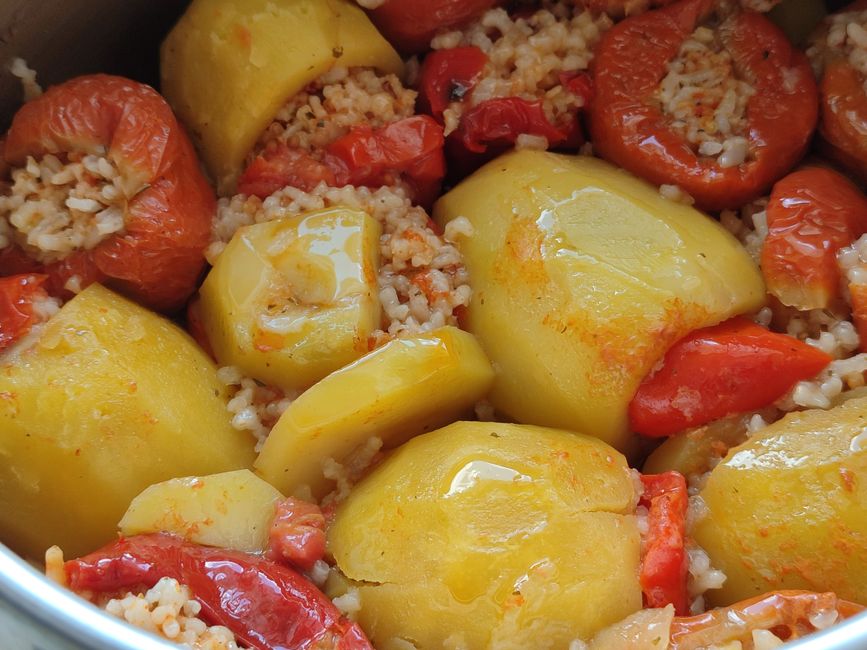
Beef and Rice Stuffed Bell Peppers: A Flavorful and Nutritious Meal
Beef and rice stuffed bell peppers represent a classic comfort food dish, celebrated for its ability to combine wholesome ingredients into a deeply satisfying and visually appealing meal. This recipe offers a fantastic balance of protein from the ground beef, carbohydrates from the rice, and essential vitamins and minerals from the bell peppers themselves. The versatility of this dish allows for numerous flavor variations, catering to a wide range of palates and dietary preferences. At its core, stuffed bell peppers are a testament to simple cooking techniques yielding profound flavor. The process involves preparing the bell pepper vessels, cooking a flavorful beef and rice filling, and then baking them until tender and the filling is thoroughly heated through. This dish is not only delicious but also remarkably adaptable, making it a staple in many home kitchens. The natural sweetness of the bell peppers, when roasted, complements the savory notes of the beef and the subtle earthiness of the rice, creating a harmonious culinary experience.
Choosing the Right Bell Peppers for Stuffing
The selection of bell peppers is a crucial first step in creating successful stuffed bell peppers. Bell peppers come in a variety of colors, including green, red, yellow, and orange, each offering a slightly different flavor profile and sweetness. Green bell peppers are the least mature and possess a more robust, slightly bitter taste. As they ripen, they transition to yellow, then orange, and finally red, becoming progressively sweeter and softer. For stuffed bell peppers, red, yellow, or orange varieties are generally preferred due to their inherent sweetness, which balances the savory filling. Larger peppers are ideal for stuffing, as they provide ample space for a generous portion of filling and are easier to handle during preparation and baking. Look for peppers that are firm, glossy, and free from blemishes or soft spots. The shape of the pepper also matters; a pepper with a relatively flat bottom will stand upright more easily in the baking dish, preventing spills and ensuring even cooking. When preparing the peppers, the tops are typically removed, and the seeds and membranes are carefully scooped out to create a hollow cavity for the filling. This process should be done meticulously to ensure no stray seeds remain, as they can impart a bitter taste.
The Foundation of the Filling: Ground Beef and Rice
The heart of any beef and rice stuffed bell pepper recipe lies in its filling. Ground beef provides a rich, savory base, and the choice of fat content can influence the overall richness of the dish. Leaner ground beef (90% lean or higher) is often recommended to reduce excess grease, though a slightly fattier blend can contribute to a more succulent filling. The beef is typically browned in a skillet, breaking it up into small crumbles and cooking it until it’s no longer pink. Draining off any excess fat after browning is a standard practice to achieve a cleaner flavor and a less oily final product.
Rice serves as the carbohydrate component, adding bulk and texture to the filling. While white rice is commonly used due to its neutral flavor and quick cooking time, other grains can also be incorporated. Brown rice offers a chewier texture and more fiber, but requires a longer cooking time. Quinoa is another excellent alternative, providing a complete protein and a slightly nutty flavor. The rice can be cooked separately before being added to the beef mixture, or in some recipes, it can be cooked directly in the skillet with the other filling ingredients, absorbing the flavors as it absorbs liquid. Pre-cooked or leftover rice is also a convenient option, saving time and reducing the overall cooking duration. The ratio of beef to rice is a matter of personal preference, but a common starting point is roughly equal parts by volume once cooked.
Aromatic Enhancements and Flavor Building
Beyond the core components of beef and rice, a medley of aromatics and seasonings is essential for elevating the flavor profile of the stuffed bell peppers. Onions and garlic are fundamental to most savory dishes and are no exception here. Finely chopped yellow or white onions, sautéed until translucent, provide a sweet and aromatic foundation. Minced garlic, added during the last minute or two of sautéing the onions, imparts its characteristic pungent flavor without becoming burnt.
Tomatoes play a vital role in adding moisture, acidity, and a depth of flavor. Diced tomatoes, either fresh or canned, are a popular choice. Canned diced tomatoes, especially those packed in their own juice, offer convenience and consistent flavor. Tomato paste can also be incorporated to intensify the tomato flavor and add a richer, more concentrated sweetness. For an added layer of umami and depth, a splash of Worcestershire sauce or a teaspoon of soy sauce can be included.
Herbs and spices are where individual creativity can truly shine. Classic pairings for beef and rice include dried Italian herbs like oregano, basil, and thyme. Paprika, whether sweet or smoked, lends a beautiful color and a subtle smoky or sweet note. A pinch of red pepper flakes can introduce a gentle warmth to the filling, catering to those who enjoy a hint of spice. Salt and freshly ground black pepper are indispensable for seasoning, bringing out the inherent flavors of all the ingredients. Some recipes may also call for a bit of beef broth or water to ensure the filling is moist and to help the rice cook if it’s being incorporated raw into the mixture.
The Baking Process: Achieving Tender Peppers and Melded Flavors
Once the bell peppers are prepped and the filling is prepared, the assembly and baking process begins. The stuffed bell peppers are typically placed upright in a baking dish. A small amount of liquid, such as water, broth, or tomato sauce, is often added to the bottom of the baking dish. This serves multiple purposes: it helps to steam the peppers from the bottom, ensuring they cook through and become tender, and it also prevents them from sticking to the dish.
The peppers are then covered, usually with aluminum foil, to trap steam and promote even cooking. The baking temperature and time will vary depending on the size of the peppers and the moisture content of the filling. A common temperature range is 350°F to 375°F (175°C to 190°C), with baking times typically ranging from 45 minutes to 1 hour, or until the peppers are tender when pierced with a fork.
In the final stages of baking, the foil is often removed, and a topping can be added. Cheese is a classic choice, with shredded cheddar, mozzarella, or Monterey Jack being popular options. The cheese melts and becomes bubbly and golden brown, adding a creamy, indulgent element to the dish. Other topping ideas include a sprinkle of breadcrumbs for added texture or a drizzle of extra tomato sauce. The goal of the uncovered baking period is to allow the top of the filling to brown slightly and the cheese to melt and meld with the other flavors.
Variations and Dietary Adaptations
The beauty of beef and rice stuffed bell peppers lies in their inherent adaptability. For those seeking to reduce carbohydrates, the rice can be omitted entirely, or a smaller portion can be used. Cauliflower rice is an excellent low-carb substitute, offering a similar texture when cooked. For a protein boost, additional vegetables like mushrooms, zucchini, or corn can be incorporated into the filling.
Vegetarian or vegan adaptations are also easily achieved. The ground beef can be replaced with plant-based ground crumbles, lentils, or a mixture of finely chopped mushrooms and walnuts. For vegan versions, dairy-free cheese alternatives can be used, and any Worcestershire sauce used should be a vegan variety.
Spice enthusiasts can ramp up the heat by adding jalapeños or other chili peppers to the filling or by increasing the amount of red pepper flakes. For a smoky flavor, smoked paprika or a touch of chipotle powder can be incorporated. Some regional variations might include influences from Mexican or Mediterranean cuisines, with additions like cumin, cilantro, black beans, or feta cheese. The possibilities for customization are virtually endless, allowing this dish to cater to a wide array of dietary needs and flavor preferences.
Nutritional Benefits of Beef and Rice Stuffed Bell Peppers
Beef and rice stuffed bell peppers offer a well-rounded nutritional profile. Bell peppers are an excellent source of Vitamin C, a potent antioxidant that plays a crucial role in immune function and collagen production. They also contain Vitamin A, important for vision and skin health, and various B vitamins involved in energy metabolism. The vibrant colors of the peppers indicate the presence of beneficial phytonutrients, which have antioxidant and anti-inflammatory properties.
Ground beef provides a significant source of protein, essential for muscle building and repair, as well as iron, vital for oxygen transport in the blood. It also contributes zinc, important for immune function and wound healing, and B vitamins, particularly B12, which is crucial for nerve function and DNA synthesis.
Rice, primarily a source of carbohydrates, offers energy. White rice provides readily available energy, while brown rice contributes dietary fiber, which aids in digestion and promotes satiety. When combined, these ingredients create a meal that is both filling and provides a good balance of macronutrients. The addition of vegetables further enhances the micronutrient density of the dish, making it a wholesome and satisfying option for a weeknight dinner or a weekend gathering. The overall nutritional impact can be further optimized by controlling portion sizes and being mindful of the fat content of the ground beef and any added cheeses.
Serving Suggestions and Presentation
Beef and rice stuffed bell peppers are a complete meal in themselves, but they can be enhanced with complementary side dishes. A simple green salad with a light vinaigrette offers a refreshing contrast to the richness of the stuffed peppers. Steamed or roasted broccoli, asparagus, or green beans are also excellent choices, adding more fiber and nutrients. A dollop of sour cream or Greek yogurt can provide a cool, creamy counterpoint to the savory filling, and a sprinkle of fresh parsley or chives adds a final touch of color and freshness.
For presentation, ensuring the peppers are neatly stuffed and stand upright in the baking dish is key. The melted cheese topping, if used, should be golden and slightly bubbly. A garnish of fresh herbs not only enhances the visual appeal but also adds a fragrant aroma. These stuffed peppers are often served directly from the baking dish, showcasing the rustic charm of home-cooked food. They can also be plated individually for a more formal presentation. The vibrant colors of the peppers, the rich brown of the beef filling, and the golden hue of the cheese create an appetizing and inviting visual.
Conclusion: A Timeless and Adaptable Dish
Beef and rice stuffed bell peppers stand as a culinary icon for good reason. They embody comfort, flavor, and nutrition in a single, accessible dish. The straightforward preparation method makes them an achievable weeknight meal, while their inherent versatility allows for endless creative expression. From selecting the perfect pepper to layering the savory beef and rice filling, and finally to the gentle embrace of the oven, each step contributes to a deeply satisfying outcome. Whether enjoyed as a classic rendition or adapted to suit specific dietary needs or adventurous flavor profiles, stuffed bell peppers remain a beloved and enduring choice for home cooks seeking a delicious, wholesome, and visually appealing meal. Their ability to adapt and satisfy diverse palates ensures their continued presence on dinner tables for generations to come.
