
A Creamy One Pot Pasta That Pretends Its Risotto
The Illusion of Elegance: Creamy One-Pot Pasta That Tastes Like Risotto
Forget the endless stirring, the constant vigilance, and the delicate dance of adding liquid ladle by ladle. This one-pot pasta recipe masterfully mimics the rich, velvety texture and comforting depth of flavor of traditional risotto, all while demanding significantly less effort. It’s the culinary equivalent of a confidence trick, a delicious deception that will impress your dinner guests and simplify your weeknight cooking. The magic lies in a few key techniques that coax creaminess from simple ingredients, creating a dish that feels inherently more sophisticated than its straightforward preparation suggests. We’re talking about a dish that delivers on the luxurious mouthfeel of arborio rice, the creamy embrace of Parmesan, and the subtle aromatics of shallots and garlic, all coalescing in a single pot. This isn’t just pasta; it’s an edible illusion, a testament to how smart cooking can elevate humble ingredients into something truly special.
The foundation of this risotto-esque pasta lies in the type of pasta chosen and the careful management of its starch. Unlike traditional risotto that relies on the slow release of starch from arborio rice, our one-pot wonder utilizes short-cut pasta shapes with a high starch content. Think ditalini, orzo, or even small elbow macaroni. These shapes are crucial because they release enough starch into the cooking liquid to create that desirable creamy consistency without the need for extensive stirring. The starch acts as a natural emulsifier, binding the liquid and fat to create a lusciously smooth sauce. The cooking liquid itself is a carefully balanced blend of chicken or vegetable broth and water. Using only broth can sometimes lead to an overly salty or intense flavor, while using only water can result in a less satisfying depth. The combination ensures a flavorful base that permeates the pasta and its surrounding sauce. The initial sautéing of aromatics is also paramount. Finely minced shallots and garlic, gently cooked in olive oil until translucent, lay the groundwork for the dish’s flavor profile. This slow, gentle cooking process extracts their sweetness and builds a foundational aromatic layer that will permeate every bite, much like the soffritto in a classic risotto.
The secret to achieving that signature risotto creaminess without the constant stirring is a controlled reduction of the cooking liquid. Once the pasta is added, the liquid is brought to a gentle simmer, not a rolling boil. This allows the starch to release gradually and the flavors to meld. Crucially, the pot is covered for a significant portion of the cooking time. This traps the steam, which not only cooks the pasta evenly but also helps to further break down the starch and create a thicker, more cohesive sauce. Instead of adding liquid incrementally, as you would with risotto, we add a generous initial amount, allowing the pasta to absorb it. As the liquid reduces, the starch thickens the remaining fluid, enveloping each piece of pasta in a velvety coating. This method is a departure from traditional pasta cooking, where excess water is often drained away. Here, every drop of liquid is an integral part of the sauce. The lid is lifted strategically towards the end of the cooking process to allow for further thickening and to ensure the pasta reaches its perfect al dente texture. This controlled simmering and steam-trapping is what allows the pasta to “cook in” its own sauce, mimicking the starch release that defines risotto.
The addition of specific ingredients at precise moments elevates this one-pot pasta from simply "creamy" to undeniably "risotto-like." After the initial cooking of the pasta in the broth mixture, a generous amount of grated Parmesan cheese is stirred in off the heat. The residual heat from the pasta and liquid is sufficient to melt the cheese, creating a smooth, emulsified sauce that coats every strand. It’s this incorporation of cheese after the main cooking that contributes significantly to the risotto illusion. In true risotto, Parmesan is often added in stages, but here, a single, decisive addition delivers that signature cheesy richness. Following the Parmesan, a knob of unsalted butter is swirled in. The butter adds another layer of luxuriousness and gloss to the sauce, further enhancing its silky texture. This fat helps to bind the sauce and contributes to that melt-in-your-mouth quality that is characteristic of well-executed risotto. Some recipes might suggest heavy cream for extra richness, but with the right pasta and proper starch management, it’s often unnecessary and can even detract from the delicate balance of flavors. The goal is to achieve creaminess through the natural properties of the ingredients, not to mask them with dairy.
Customization is where this versatile one-pot wonder truly shines, allowing you to transform it into a variety of elegant dishes. Think of it as a blank canvas for your culinary creativity. For a vibrant, spring-inspired version, stir in a handful of fresh spinach or peas in the last few minutes of cooking. The residual heat will wilt the spinach and warm the peas, adding a pop of color and freshness. A squeeze of lemon juice right before serving can brighten the entire dish, cutting through the richness and adding a zesty counterpoint. For a heartier, more robust meal, consider adding pre-cooked proteins like shredded chicken, sautéed mushrooms, or crumbled Italian sausage. These additions should be stirred in during the final stages of cooking to heat through. The beauty of this one-pot method is that it allows these extra ingredients to meld seamlessly with the creamy pasta sauce, rather than feeling like an afterthought. For those seeking a vegetarian or vegan adaptation, a nutritional yeast and cashew cream can be employed to mimic the cheesy and creamy elements, though this may require a slightly different approach to achieving the desired texture. Experimentation is key; the fundamental techniques of starch release and controlled reduction will still yield a satisfyingly creamy base.
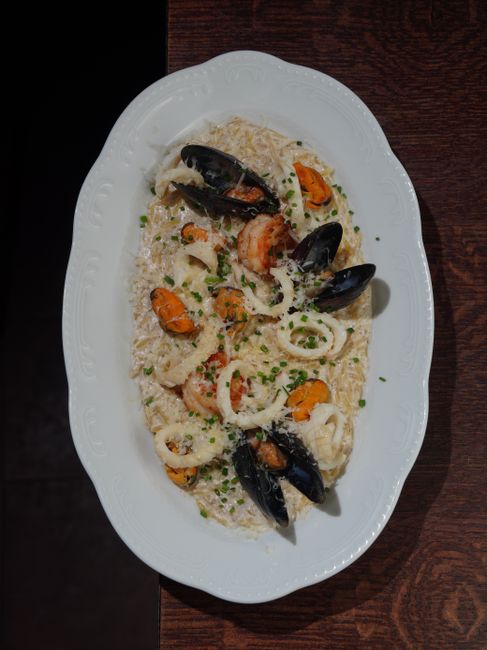
The serving presentation can also play a role in selling the risotto illusion. While the texture and flavor are paramount, a thoughtful garnish can elevate the dish further. A drizzle of good quality extra virgin olive oil, a sprinkle of fresh parsley or chives, or a final dusting of freshly grated Parmesan cheese will not only enhance the visual appeal but also add a final layer of flavor. Serving the pasta immediately after it’s finished cooking is crucial. Like true risotto, this dish is at its absolute best when served piping hot, allowing the creamy sauce to maintain its luxurious consistency. As it cools, the sauce can thicken too much, losing some of its ethereal quality. The simplicity of the one-pot method means there’s no need to pre-cook components or manage multiple pans, allowing you to focus on plating a dish that looks as good as it tastes. The visual cue of a slightly looser, more fluid sauce than one might expect from traditional dry pasta is often enough to convince diners they are enjoying something far more elaborate.
Beyond the immediate appeal, this one-pot pasta offers significant practical advantages. The reduced cooking time is a game-changer for busy weeknights. The minimal cleanup is another major benefit; fewer pots and pans mean less time spent scrubbing and more time enjoying your meal. The ability to adapt the dish to whatever ingredients you have on hand makes it an incredibly economical and sustainable option. It reduces food waste by utilizing ingredients that might otherwise go unused. The predictability of the recipe means that even novice cooks can achieve impressive results, fostering confidence in the kitchen. The inherent "comfort food" nature of pasta, combined with the sophisticated mouthfeel and flavor profile of this risotto-inspired version, makes it a universally appealing dish. It’s perfect for a quick family dinner, a casual gathering with friends, or even a solo indulgence. The satisfaction derived from creating such a delicious and seemingly complex dish with such ease is immeasurable. This recipe is a testament to the power of understanding fundamental cooking principles and applying them creatively to achieve extraordinary results with ordinary ingredients.
The inherent success of this recipe lies in its understanding of starch and emulsification. Traditional risotto’s creaminess comes from the starch released by arborio rice as it’s stirred and cooked in liquid. This one-pot method replicates that by using pasta shapes that release a significant amount of starch. The slow, controlled simmer and the use of a lid trap steam, which aids in this starch release and also helps to thicken the cooking liquid. When the Parmesan cheese is added off the heat, it melts into this starchy liquid, creating a smooth, emulsified sauce. The butter then further enriches and binds this sauce. This process bypasses the need for heavy cream or constant manual labor, achieving a similar textural outcome through clever ingredient interaction and cooking technique. The visual cue of the sauce clinging to the pasta, rather than being a thin coating, is key to the illusion. The liquid shouldn’t be entirely absorbed; a small amount should remain, creating that characteristic sauciness that is so reminiscent of risotto.
In essence, this one-pot pasta achieves its risotto-like quality through a sophisticated interplay of starch, fat, and liquid management, all within the convenience of a single pot. It’s a dish that celebrates simplicity without sacrificing complexity, offering a deeply satisfying and elegant dining experience. The carefully selected pasta shapes, the precise balance of cooking liquids, and the strategic timing of ingredient additions all contribute to creating an illusion of elaborate preparation. The resultant creamy, flavorful pasta is a testament to culinary ingenuity, proving that you don’t need to be a professional chef or spend hours in the kitchen to create a dish that tastes like it belongs on a fine-dining menu. It’s a recipe that empowers home cooks, offering a delicious and accessible pathway to achieving remarkable results. The beauty lies in its deceptive simplicity, a comforting secret weapon in any home cook’s arsenal, capable of transforming humble ingredients into a truly memorable meal.
