Argentina’s Scaloni Protests FIFA Schedule After Dramatic World Cup Semi-Final Win, Citing Unfair Advantage for Spain


The air within the Argentinian camp is thick with tension as Lionel Scaloni, head coach of La Albiceleste, has lodged a vehement protest with FIFA regarding the team’s training and recovery schedule, which he deems inequitable and significantly advantageous to their final opponents, Spain. This strong stance comes in the wake of a dramatic 2-1 semi-final victory over England on Wednesday, July 15th, where late goals from Enzo Fernandez and Lautaro Martinez propelled the reigning champions into their seventh World Cup final.
However, the path to the final has presented a stark disparity in rest periods. Spain, La Furia Roja, secured their place in the New Jersey final a full 24 hours prior to Argentina’s semi-final clash, having overcome France in their own semi-final encounter. This difference in match timing has directly impacted logistical arrangements, creating a perceived imbalance in the teams’ preparation for the ultimate showdown. Reports indicate that Spain departed for New Jersey on Wednesday night, immediately following their victory, while Argentina’s squad only managed to land in the northeastern United States late on Thursday, July 16th, almost at midnight.
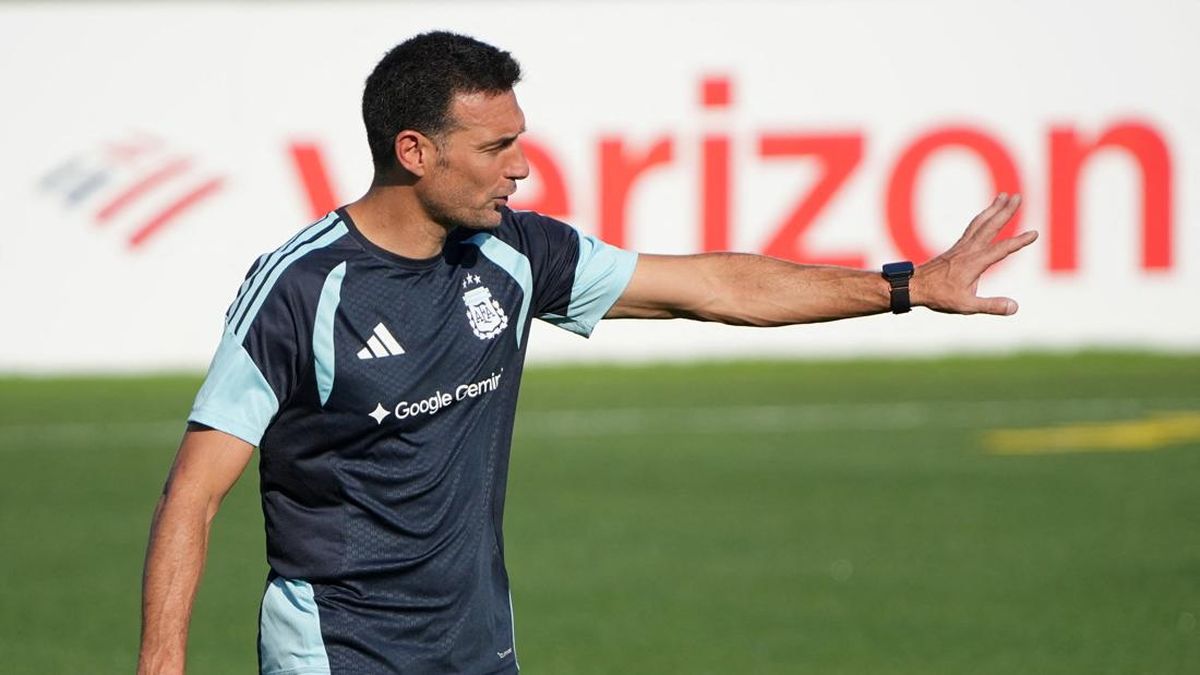
Scaloni did not mince words during a press conference on Friday evening, local time, expressing his frustration with FIFA’s perceived lack of consideration for his players’ physical condition. The team, having arrived at nearly 11 PM on Thursday, was reportedly compelled by FIFA to undertake a brief training session on Friday afternoon under the intense New York sun.
"We could only rest because we just arrived last night around 11 PM. Today, they [FIFA] forced us to train at a time we really didn’t want," Scaloni stated, as quoted by Give Me Sport. "Due to the schedule of the press conference and other matters, we were forced to have a peculiar and rushed training session. We barely had time to test any tactics on the field," he added.
The Argentine coach emphasized that his team’s immediate priority is player recovery, especially considering that several key players are not at peak fitness due to the demanding tournament schedule.
The Advantage of Extra Rest: A Statistical Trend
While some quarters might view Scaloni’s complaints as mere pre-match posturing, his grievances are substantiated by historical data. Research conducted by The Athletic has revealed a significant trend: in 13 out of the last 14 editions of the World Cup and European Championship, the team that played its semi-final match earlier consistently went on to win the final. This statistical correlation underscores the tangible benefit of having additional rest and an extra day to refine tactics, particularly in a compressed tournament format. Spain’s advantage in this regard is considerable, offering them more time for recovery, tactical adjustments, and mental preparation.
Scaloni further articulated that FIFA should have accommodated Argentina by allowing them to train in the cooler temperatures of the afternoon or evening, and by rescheduling the mandatory press conference to an earlier slot in the day. This would have provided a more conducive environment for the team to prepare effectively for the final.
The Road to the Final: A Tale of Two Semi-Finals
Argentina’s semi-final victory over England was a testament to their resilience and fighting spirit. The match, held in Atlanta, saw England take an early lead before Enzo Fernandez equalized for La Albiceleste. The defining moment came in the dying minutes when Lautaro Martinez unleashed a powerful strike to secure their passage to the final. The intensity of the match, coupled with the physical exertion required to come from behind, undoubtedly placed a significant demand on the players.
In contrast, Spain’s semi-final against France, played 24 hours earlier, was a more measured affair. While also competitive, the French team could not find the decisive edge against a well-drilled Spanish side. This earlier conclusion to their semi-final allowed Spain to begin their recovery and travel arrangements sooner, creating the scheduling disparity that has now become a point of contention.
FIFA’s Role and Potential Implications
FIFA, as the organizing body of the World Cup, is responsible for setting the tournament schedule. While fixture congestion is an inherent challenge in major tournaments, the specific timing of semi-final matches can indeed create imbalances. The governing body typically aims to ensure fair play and competitive balance, but the practicalities of stadium availability, broadcast rights, and logistical considerations can sometimes lead to such situations.
The implications of this scheduling discrepancy extend beyond mere player fatigue. A well-rested team is generally more capable of executing complex tactical plans, maintaining a high tempo throughout the match, and recovering from physical challenges. For Argentina, who rely heavily on the dynamism of players like Lionel Messi and the midfield engine of Enzo Fernandez, any compromise in their physical condition could prove detrimental against a formidable opponent like Spain.

Historical Context of Scheduling Complaints
Complaints regarding World Cup scheduling are not unprecedented. Over the years, various teams have voiced concerns about inadequate rest periods, long travel times, and the impact of climate on performance. These issues often highlight the delicate balance FIFA must strike between accommodating the commercial demands of the tournament and ensuring the optimal conditions for athletic competition. The current situation between Argentina and Spain is a potent reminder of these ongoing challenges.
The Statistical Significance of Semi-Final Timing
The data from The Athletic is particularly compelling. The trend of earlier semi-finalists winning the final suggests that the psychological and physical advantage of having more time to prepare and recover can be a decisive factor. This is especially true in a final match where margins are often razor-thin, and every element, from player fitness to tactical execution, can make the difference between victory and defeat. The fact that this pattern has held true for so many tournaments indicates that it is not merely a coincidence but a demonstrable factor in tournament outcomes.
Argentina’s Tactical Considerations Amidst Fatigue
Scaloni’s frustration also stems from the limited time available for tactical preparation. The rushed training session likely prevented the coaching staff from fine-tuning strategies or working on specific set-piece routines. In a final, such preparations can be crucial. Argentina, known for their adaptability and tactical nous under Scaloni, will need to overcome this hurdle through superior game management and individual brilliance.
Spain’s Perspective: A Quiet Advantage?
While Spain has not publicly commented on the scheduling disparity, it is reasonable to infer that they will seek to capitalize on their advantage. Their team, having also navigated a demanding tournament, will appreciate the extra recovery time. Their focus will likely be on maintaining their composure and executing their game plan effectively, knowing that they have had a slightly smoother run into the final.
The Broader Impact on Tournament Integrity
The scheduling controversy raises questions about the fairness and integrity of the tournament. While FIFA cannot control the outcomes of matches, it can influence the conditions under which they are played. Ensuring a more equitable schedule for all semi-finalists, perhaps through better staggered kick-off times or more uniform travel arrangements, could enhance the perception of fairness and allow teams to perform at their absolute best on the grandest stage.
The current situation presents a fascinating sub-plot to the World Cup final. Argentina, fueled by their dramatic victory and hampered by perceived scheduling inequities, will be looking to defy the odds and secure their title defense. Spain, armed with the quiet advantage of extra rest, will aim to capitalize on their preparation. The final match, irrespective of these external factors, promises to be a captivating spectacle of footballing prowess. The outcome, however, may well be influenced by the subtle, yet significant, impact of how these two titans of the game have been allowed to prepare for their ultimate clash.
Related posts: