
Simple Air Fryer Brussels Sprouts
Crispy Air Fryer Brussels Sprouts: The Ultimate Simple Recipe
Achieving perfectly crispy, tender Brussels sprouts is surprisingly simple with an air fryer. This recipe eliminates the common pitfalls of soggy or overly bitter sprouts, delivering a delightful side dish that’s both healthy and incredibly flavorful. The magic lies in the high-heat circulation of the air fryer, which mimics deep-frying without the excess oil, resulting in a beautiful char and satisfying crunch. Forget steaming or boiling; the air fryer transforms these often-maligned cruciferous vegetables into a crowd-pleasing favorite. This method is incredibly versatile, allowing for endless flavor variations once you’ve mastered the basic technique. Whether you’re a seasoned chef or a beginner cook, this guide will walk you through every step to ensure air fryer Brussels sprout success. We will delve into the science behind why air frying works so well for this vegetable, the ideal cooking parameters, and provide detailed instructions that guarantee delicious results every time.
Understanding the Air Fryer Advantage for Brussels Sprouts
The core principle behind an air fryer is rapid air circulation. Unlike conventional ovens where heat radiates from heating elements, an air fryer utilizes a fan to circulate hot air at high speeds around the food. This intense, even exposure to heat is crucial for achieving the coveted crispness in Brussels sprouts. When Brussels sprouts are exposed to this hot, dry air, their outer leaves dehydrate and crisp up rapidly, while the inner core steams and softens. This combination creates a delightful textural contrast – crispy on the outside, tender on the inside – that is difficult to replicate with other cooking methods. Furthermore, the high heat accelerates the Maillard reaction, a chemical process responsible for browning and developing complex, savory flavors in food. This is why air-fried Brussels sprouts develop those irresistible caramelized, slightly nutty notes. The reduced need for oil is another significant benefit. While a tablespoon or two of oil is sufficient for coating, it’s a fraction of what’s needed for pan-frying or deep-frying, making this a healthier alternative without sacrificing taste or texture. For optimal results, it’s essential to ensure the sprouts are not overcrowded in the air fryer basket. This allows the hot air to circulate freely around each individual sprout, promoting even crisping and preventing steaming, which leads to sogginess.
The Essential Ingredients for Simple Air Fryer Brussels Sprouts
The beauty of this recipe lies in its simplicity. You don’t need a long list of exotic ingredients. The foundation of perfect air fryer Brussels sprouts is fresh produce and a few pantry staples.
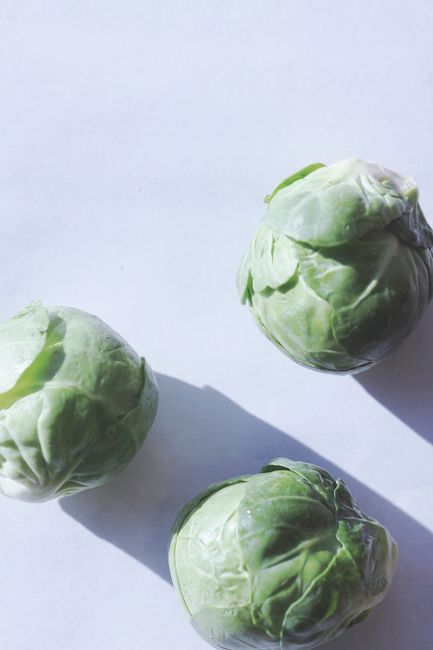
- Brussels Sprouts: Aim for fresh, firm Brussels sprouts. Look for those with tightly packed leaves and no signs of yellowing or wilting. The size of the sprouts can impact cooking time, so it’s helpful to try and select sprouts of similar size for even cooking. Roughly 1 pound (450g) is a good starting point for a typical air fryer basket.
- Olive Oil or Avocado Oil: A healthy fat is crucial for helping the sprouts crisp and carrying the seasonings. Olive oil is a classic choice, offering a good flavor profile. Avocado oil is another excellent option, as it has a high smoke point, making it ideal for high-heat cooking. About 1-2 tablespoons should suffice.
- Salt: Kosher salt or sea salt is preferred for its ability to adhere to the sprouts and provide a satisfying crunch. Fine table salt can also be used, but it tends to clump more easily.
- Black Pepper: Freshly ground black pepper offers a more robust flavor than pre-ground.
These are the bare essentials. Once you’ve mastered this basic formula, you can explore endless variations with spices, herbs, and finishing drizzles.
Step-by-Step Guide to Crispy Air Fryer Brussels Sprouts
Executing this recipe is straightforward, but attention to detail at each stage ensures superior results.
-
Prepare the Brussels Sprouts:
- Trim the Ends: Begin by trimming off the dry, woody ends of each Brussels sprout. A sharp knife is best for this.
- Remove Outer Leaves: Peel away any discolored or damaged outer leaves. These are often bitter and won’t crisp up as nicely.
- Halve or Quarter: For larger sprouts, cut them in half lengthwise. For smaller sprouts, you can leave them whole, but cutting them ensures more even cooking and crisping. If you have very large sprouts, quartering them may be necessary. The goal is to expose more surface area to the hot air.
- Wash and Dry Thoroughly: After trimming and cutting, rinse the Brussels sprouts under cool water. Crucially, dry them extremely well with paper towels or a clean kitchen towel. Moisture is the enemy of crispiness. Any residual water will cause the sprouts to steam rather than roast, leading to a limp texture.
-
Season the Sprouts:
- Coat with Oil: Place the prepared Brussels sprouts in a medium bowl. Drizzle with your chosen oil (1-2 tablespoons). Toss gently with your hands or a spoon to ensure each sprout is lightly coated. Don’t drench them; a light sheen is all you need.
- Add Salt and Pepper: Sprinkle generously with salt and freshly ground black pepper. Toss again to distribute the seasonings evenly.
-
Preheat Your Air Fryer:
- Temperature: Preheat your air fryer to 400°F (200°C). Preheating is essential for achieving that initial burst of heat that kicks off the crisping process. Most air fryers have a preheat function; if yours doesn’t, simply set the temperature and let it run for 3-5 minutes before adding the sprouts.
-
Air Fry the Brussels Sprouts:
- Single Layer: Arrange the seasoned Brussels sprouts in a single layer in the air fryer basket. Do not overcrowd the basket. Overcrowding will prevent proper air circulation and result in uneven cooking and a lack of crispiness. If necessary, cook in batches.
- Cooking Time: Air fry for 12-18 minutes. The exact time will depend on your air fryer model, the size of your sprouts, and how crispy you like them.
- Shake or Flip: Halfway through the cooking time (around 6-9 minutes), carefully remove the air fryer basket and give it a good shake, or use tongs to flip the sprouts. This ensures even browning and crisping on all sides.
- Check for Doneness: After 12 minutes, start checking the sprouts. They should be tender on the inside and have deeply browned, crispy outer leaves. If they need more time, continue air frying in 2-minute increments, checking frequently to avoid burning.
-
Serve Immediately:
- Hot and Crispy: Once they reach your desired level of crispness, remove the Brussels sprouts from the air fryer basket and serve immediately. They are best enjoyed hot when their crispiness is at its peak.
Troubleshooting Common Air Fryer Brussels Sprout Issues
Even with a simple recipe, you might encounter a few bumps along the way. Here’s how to address common problems:
- Soggy Sprouts: This is almost always due to excess moisture or overcrowding. Ensure sprouts are thoroughly dried before cooking. Do not overload the air fryer basket; cook in batches if necessary. Also, make sure your air fryer is reaching the correct temperature and preheated.
- Unevenly Cooked Sprouts: Again, overcrowding is a primary culprit. Ensure a single layer and shake the basket halfway through. If you have a mix of very small and very large sprouts, consider cutting the larger ones into smaller pieces to promote more uniform cooking.
- Bitter Sprouts: While some bitterness is inherent to Brussels sprouts, excessive bitterness can be caused by the tough outer leaves or overcooking. Ensure you’ve removed all the tough, outer layers and avoid overcooking. A touch of sweetness in a finishing glaze can also help balance any bitterness.
- Burning: If your sprouts are burning before they are tender, your air fryer might be running hotter than its set temperature, or you may be cooking them for too long. Reduce the cooking time or lower the temperature slightly in future attempts. Keep a close eye on them in the final minutes of cooking.
Flavor Variations to Elevate Your Air Fryer Brussels Sprouts
Once you’ve mastered the basic crispy air fryer Brussels sprouts, the possibilities for flavor enhancement are nearly endless. Here are a few popular and delicious variations to try:
- Balsamic Glaze: Drizzle with balsamic glaze (a reduction of balsamic vinegar) in the last 2-3 minutes of cooking, or toss with a pre-made glaze after cooking. The tangy sweetness complements the sprouts beautifully.
- Garlic Parmesan: Toss the cooked sprouts with minced garlic and grated Parmesan cheese. The heat of the sprouts will melt the cheese and lightly toast the garlic.
- Spicy Kick: Add a pinch of red pepper flakes along with the salt and pepper before air frying for a touch of heat.
- Honey Sriracha: Toss with a mixture of honey and sriracha sauce after cooking for a sweet and spicy, slightly sticky glaze.
- Lemon Pepper: Add lemon pepper seasoning with the salt and pepper for a bright, zesty flavor.
- Smoky Paprika: Incorporate smoked paprika into your seasoning mix for a deeper, smoky flavor.
- Asian Inspired: Toss with a drizzle of soy sauce (or tamari for gluten-free), a touch of sesame oil, and a sprinkle of sesame seeds after cooking. You can also add a little grated ginger or garlic.
- Candied Bacon Bits: Top with crispy, crumbled bacon bits for an irresistible salty, smoky, and savory crunch.
When adding wet marinades or glazes before cooking, be mindful of how they might affect crisping. Sugar-based glazes can burn quickly, so adding them in the last few minutes or tossing after cooking is often the best approach.
Nutritional Benefits of Brussels Sprouts
Beyond their delicious taste and texture when air-fried, Brussels sprouts are nutritional powerhouses. They are an excellent source of:
- Vitamin C: A potent antioxidant that supports immune function and skin health.
- Vitamin K: Essential for blood clotting and bone health.
- Fiber: Aids in digestion, promotes satiety, and helps regulate blood sugar levels.
- Folate: Crucial for cell growth and development.
- Antioxidants: Including glucosinolates, which are linked to cancer-fighting properties.
Incorporating air fryer Brussels sprouts into your diet is a simple way to boost your intake of these essential nutrients while enjoying a truly satisfying dish. The air frying method also helps preserve more of these water-soluble vitamins compared to boiling.
Why Air Fryer Brussels Sprouts are a Weeknight Winner
The appeal of this recipe extends beyond its taste and health benefits. It’s a true weeknight marvel due to its speed and minimal cleanup. The entire process, from preparation to serving, can be completed in under 30 minutes. The single-basket cooking method means fewer dishes to wash. The air fryer itself is generally easy to clean, with many baskets and trays being dishwasher-safe. This makes it an ideal option for busy individuals and families looking for a healthy and delicious side dish without a significant time commitment or a mountain of dirty dishes. The versatility means you can adapt the flavors to suit whatever main course you’re serving, making it a go-to recipe that never gets boring. Mastering this simple technique opens the door to a world of flavorful and healthy vegetable preparations that are both convenient and incredibly rewarding. The consistent, crispy results make this a reliable choice for even novice cooks.
