Beyond the Feathers: How Birdwatching Enhances Brain Function, Cognitive Longevity, and Mental Health

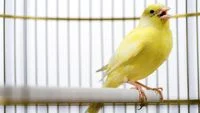
Observing birds perched on branches or soaring across the open sky is frequently dismissed as a leisurely, passive pastime. To the casual observer, it requires nothing more than finding a comfortable seat, watching fleeting movements, and occasionally attempting to identify a visiting species. However, a growing body of neuroscientific research and clinical observation suggests that this deceptively simple hobby packs a powerful punch for neurological health. Far from being merely a relaxing way to pass the time, birdwatching—commonly referred to as birding—has been scientifically linked to profound improvements in human cognitive function, visual perception, sustained attention, and emotional well-being.
As aging populations face rising rates of cognitive decline and neurodegenerative conditions such as dementia, researchers are increasingly turning to nature-based interventions. Birdwatching has emerged as a low-cost, highly accessible cognitive workout that stimulates multiple areas of the brain simultaneously. Recent studies utilizing advanced neuroimaging and targeted behavioral interventions in eldercare facilities are shedding light on how paying attention to our feathered neighbors can physically alter and protect the human brain.
The Neurological Impact: What MRI Scans Reveal About Birdwatchers
The connection between birdwatching and brain health is not just a matter of subjective relaxation; it is grounded in structural changes within the central nervous system. In a landmark study published in The Journal of Neuroscience, researchers sought to understand the neurological differences between individuals with high levels of expertise in identifying bird species and those without.
The study utilized magnetic resonance imaging (MRI) to compare brain scan results of participants tasked with rapidly identifying a wide variety of bird species. The findings were striking: veteran birdwatchers exhibited distinct patterns of functional connectivity across several targeted regions of the brain. These specific areas are fundamentally linked to top-down attention, complex visual perception, and advanced object recognition.
When participants were shown unfamiliar bird species, the divergence in brain activity became even more pronounced. This suggested that the accumulated experience of birdwatching fundamentally alters how the human brain processes complex visual stimuli while simultaneously modulating attentional networks. Neuroscientists analyzing the data noted that these sharp perceptual skills may play a critical role in preserving the structural organization of brain networks as individuals age. Consequently, developing cognitive hobbies such as species identification early in life could help build a cognitive reserve that pays neurological dividends well into old age.
From Germany to America: Clinical Trials and Real-World Applications
While laboratory MRI scans provide hard data on brain connectivity, real-world applications of birdwatching have yielded equally compelling results, particularly among elderly populations. One of the most notable field tests of this concept took place in Germany, as documented by reports from the BBC.
The project, spearheaded by a psychology professor from the Catholic University of Eichstätt-Ingolstadt, involved a straightforward intervention at a residential eldercare facility. Researchers installed bird feeders directly outside the facility’s communal areas, strategically positioned so that residents could easily observe the visiting wildlife from their indoor seating.
The results exceeded expectations. Within a mere three to four weeks, residents exposed to the constant, engaging presence of visiting birds demonstrated measurable improvements in memory retention and concentration spans. Nursing staff and researchers documented noticeable positive shifts in the seniors’ daily functioning. Participants were visibly better equipped to follow complex conversations, recall specific birds they had observed earlier in the day, and engage more meaningfully with visiting family members.
The emotional dividends were equally profound. Facility staff reported a return of genuine smiles and animated expressions among residents who had previously exhibited withdrawn tendencies or muted emotional responses.
Building upon these successes, specialized therapeutic programs incorporating birdwatching have been systematically integrated into dementia care across the globe. In the United States, a pioneering dementia-support initiative known as "Bird Tales" was launched in 2013. Initially rolled out across four specialized care communities in Connecticut, the program’s undeniable success catalyzed its expansion into neighboring states, including Texas and Colorado.
Similarly, across the Atlantic, the British non-profit organization Age UK established weekly birdwatching groups at locations such as Forge Mill Lake in the West Midlands. These organized sessions provide structured opportunities for vulnerable populations to connect with nature while reaping the cognitive rewards of active observation.
The Cognitive Mechanics of Birding
To understand why birdwatching serves as such an effective cognitive catalyst, one must examine the complex mental processes required to execute the hobby. Identifying and tracking birds is not a passive visual experience; it is an active, multi-layered cognitive challenge.
When an individual engages in birdwatching, they must deploy sustained attention to detect subtle movements, dynamic shapes, changing colors, and faint environmental sounds. Simultaneously, the brain accesses working memory to determine whether a bird with similar physical characteristics has been encountered previously.
For seasoned birders, the cognitive load is significantly higher. They must rapidly differentiate between closely related species by parsing minute visual details—such as the precise curvature of a bill, the unique distribution of color patterns on primary feathers, relative body mass, and distinct vocalizations or song cadences.
These layered tasks require a synchronized deployment of attention, fine-tuned visual scanning, and long-term memory retrieval. These exact cognitive pillars are the primary targets of clinical interventions designed to stave off cognitive decline, proving that birdwatching is essentially an intensive cross-training workout for the human mind.
Accessibility and Practical Implications for Public Health
One of the most compelling aspects of birdwatching as a public health intervention is its near-universal accessibility. Unlike specialized memory-training software, expensive cognitive therapies, or rigorous physical fitness regimens, birdwatching requires virtually no specialized, high-cost equipment or physical mobility.
An individual can initiate this brain-boosting activity simply by sitting near a domestic window and paying intentional attention to the wildlife visiting a backyard, balcony, or urban courtyard. For those with greater mobility, visiting local public parks, botanical gardens, or designated urban green spaces offers an immersive environment to observe diverse animal life.
From a broader public health perspective, integrating nature-based observation into daily routines offers a sustainable, low-barrier strategy to keep aging brains active. As healthcare systems globally grapple with the rising social and economic costs of cognitive aging and mental fatigue, simple interventions like birdwatching offer a cost-effective complementary approach. By turning our gaze upward and sharpening our focus on the natural world, humans may hold the key to preserving mental acuity, emotional resilience, and neurological health for a lifetime.