
Black Eyed Peas With Bacon
The Ultimate Guide to Black-Eyed Peas with Bacon: A Culinary Staple
Black-eyed peas, a humble legume with a storied past, find their ultimate expression when paired with the savory indulgence of bacon. This culinary partnership transcends simple side dish status, offering a complex flavor profile and a comforting, hearty experience. Often associated with Southern cuisine and New Year’s traditions for good luck, the combination of tender, earthy black-eyed peas and smoky, crispy bacon is a universally appealing dish that deserves a place in any home cook’s repertoire. This comprehensive guide will delve into every aspect of creating and enjoying black-eyed peas with bacon, from selecting the finest ingredients to exploring variations and understanding their nutritional benefits.
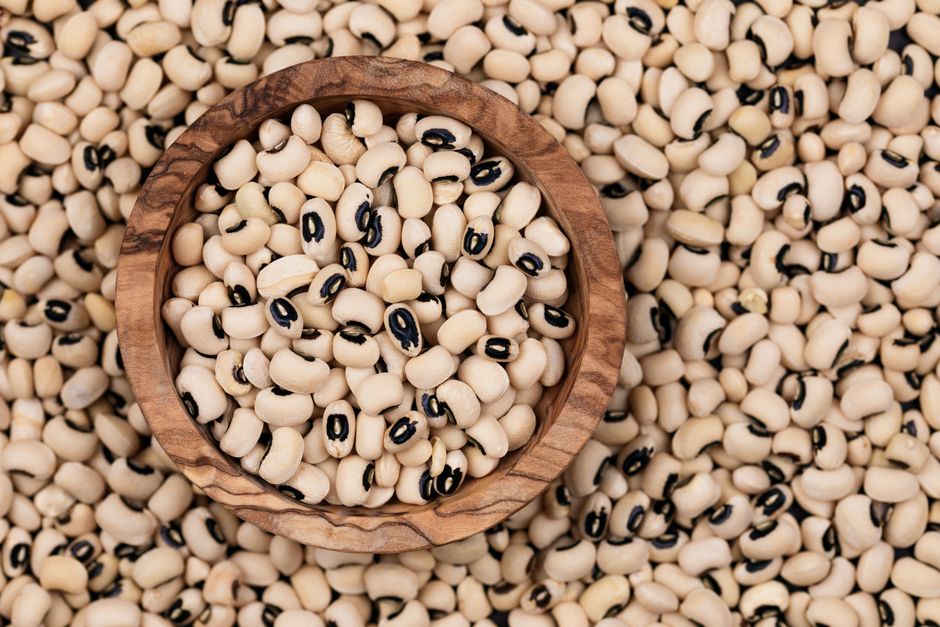
The foundation of an exceptional black-eyed peas with bacon dish lies in the quality of its two main components. For the black-eyed peas, opting for dried beans generally yields a superior texture and flavor compared to canned. While canned varieties offer convenience, dried beans allow for greater control over the cooking process and a creamier, less mushy final product. When purchasing dried black-eyed peas, look for beans that are uniform in size and color, free from dust or debris. Storage of dried beans is straightforward; keep them in an airtight container in a cool, dark, and dry place. This ensures their freshness and prevents spoilage. If using canned black-eyed peas, a quick rinse under cold water can help reduce excess sodium and improve their texture. However, for optimal results, dried beans are highly recommended.
The bacon, the other star of this dish, plays a crucial role in imparting its signature smoky, salty, and umami-rich flavor. The choice of bacon is a matter of personal preference, but certain types lend themselves particularly well to this recipe. Thick-cut bacon, with its higher fat content, renders beautifully, providing ample fat for sautéing the peas and contributing a satisfying chewiness. Applewood or hickory-smoked bacon are classic choices, offering a robust smoky flavor. For those who prefer a milder smoke, mesquite or even uncured bacon can be excellent alternatives. The quality of the bacon is paramount; seek out artisanal or locally sourced options for the most intense and nuanced flavor. When preparing the bacon, the goal is to render out its fat evenly, resulting in crispy pieces that are not burnt. This fat will then become the flavorful base for cooking the peas.
The cooking process for black-eyed peas with bacon typically involves a multi-step approach that maximizes flavor development. Begin by preparing the black-eyed peas. If using dried beans, a thorough rinsing is essential, followed by soaking. Overnight soaking is the traditional method, but a quick soak—bringing the beans to a boil for a minute, then letting them sit for an hour—can also be effective. Soaking rehydrates the beans, reduces cooking time, and helps to make them more digestible. After soaking, drain and rinse the peas thoroughly.
Next, address the bacon. Dice the bacon into small, uniform pieces. This allows for even cooking and distribution throughout the dish. In a large pot or Dutch oven, cook the diced bacon over medium heat until it reaches your desired level of crispness. The key here is to render the fat slowly, allowing the bacon to crisp up without burning. Once crispy, remove the bacon pieces with a slotted spoon and set them aside on a paper towel-lined plate to drain. Leave the rendered bacon fat in the pot; this flavorful liquid gold will be the foundation for sautéing aromatics and cooking the peas.
Aromatics are essential for building layers of flavor. Finely chopped onions, garlic, and often bell peppers (such as green bell pepper, a Southern staple) are the typical choices. Sauté these vegetables in the reserved bacon fat over medium heat until they are softened and translucent. This process draws out their natural sweetness and aroma, creating a savory base for the peas. Seasoning at this stage is crucial. Salt and freshly ground black pepper are fundamental, but consider adding a pinch of cayenne pepper for a subtle warmth or a bay leaf for an herbaceous undertone.
Once the aromatics are softened, add the drained and rinsed black-eyed peas to the pot. Stir to coat them in the flavorful bacon fat and sautéed vegetables. Then, add enough liquid to cover the peas by about an inch. Water is a neutral choice, but low-sodium chicken or vegetable broth can add further depth of flavor. Bring the mixture to a boil, then reduce the heat to a simmer. Cover the pot and cook until the peas are tender. The cooking time can vary depending on the age and type of dried beans, but it typically ranges from 45 minutes to 1.5 hours. Check for tenderness periodically, adding more liquid if necessary to keep the peas submerged.
Towards the end of the cooking process, when the peas are almost tender, stir in the reserved crispy bacon pieces. This ensures that the bacon retains some of its crispness and doesn’t become soggy. Taste and adjust seasoning as needed. Some cooks prefer to add a splash of apple cider vinegar or a squeeze of lemon juice in the final moments to brighten the flavors. This acidity can cut through the richness of the bacon and legumes, creating a more balanced profile.
The beauty of black-eyed peas with bacon lies in its versatility. While the classic preparation is undeniably delicious, numerous variations can be explored to suit different palates and occasions. For a spicier rendition, incorporate diced jalapeños or a pinch of red pepper flakes along with the onions and peppers. Smoked paprika can also be added to the aromatics for an extra layer of smoky complexity.
Adding other complementary ingredients can elevate the dish further. Diced ham hock or smoked ham can be simmered with the peas, imparting an even deeper pork flavor. A touch of molasses or brown sugar can introduce a subtle sweetness that balances the saltiness of the bacon. For a heartier meal, consider adding cooked greens like collard greens, mustard greens, or turnip greens towards the end of the cooking process. These greens, often cooked alongside black-eyed peas in Southern cuisine, add a nutritional boost and a pleasant, slightly bitter counterpoint to the richness of the bacon and peas.
Black-eyed peas are not only a delicious and satisfying food but also a nutritional powerhouse. They are an excellent source of plant-based protein, making them a valuable component of vegetarian and vegan diets (though in this specific preparation, they are obviously not vegan). They are also rich in dietary fiber, which is crucial for digestive health, helping to promote regularity and a feeling of fullness. The fiber content also contributes to better blood sugar control.
Furthermore, black-eyed peas are a good source of essential vitamins and minerals. They contain significant amounts of folate (vitamin B9), which is vital for cell growth and DNA formation. They are also a good source of iron, important for oxygen transport in the blood, and potassium, which plays a role in maintaining healthy blood pressure. Manganese, important for bone health and metabolism, is also present in good quantities. While bacon contributes flavor and some protein, it also contains saturated fat and sodium, so moderation is key when incorporating it into a balanced diet.
Serving black-eyed peas with bacon is often a communal affair. Traditionally, this dish is enjoyed as a side, complementing hearty main courses like fried chicken, pork chops, or barbecue. It’s also a staple at holiday gatherings, particularly on New Year’s Day, where it’s believed to bring good luck and prosperity in the year ahead. The tradition of eating black-eyed peas for good luck is said to have originated during the Civil War.
Beyond being a side dish, black-eyed peas with bacon can be transformed into other culinary creations. Leftovers can be mashed and formed into patties for delicious vegetarian burgers (if the bacon is omitted or a vegetarian bacon alternative is used). They can also be blended into a creamy soup or used as a filling for savory pies. The versatility extends to different cuisines; while deeply rooted in American Southern cooking, the flavor profile can be adapted with spices and herbs from other culinary traditions.
When it comes to flavor pairings, black-eyed peas with bacon are wonderfully adaptable. Their earthy and savory notes harmonize with a wide range of flavors. Spicy elements, as mentioned, provide a delightful contrast. Sweetness, whether from a touch of molasses or caramelized onions, balances the saltiness. Acidity, from vinegar or citrus, cuts through the richness. The smoky notes of the bacon can be complemented by other smoky ingredients or offset by brighter, fresher herbs like parsley or chives.
Storage and reheating of cooked black-eyed peas with bacon are straightforward. Once cooled, store them in an airtight container in the refrigerator for up to 3-4 days. Reheat gently on the stovetop or in the microwave, adding a splash of water or broth if the peas appear dry. Freezing is also an option, though the texture of the peas may be slightly altered upon thawing. For best results, freeze in an airtight container and reheat thoroughly.
In conclusion, black-eyed peas with bacon is a dish that embodies comfort, tradition, and delicious simplicity. By understanding the nuances of ingredient selection, cooking techniques, and flavor profiles, home cooks can create a truly exceptional version of this beloved classic. Whether enjoyed as a lucky New Year’s meal or a comforting everyday side, the harmonious marriage of tender black-eyed peas and savory bacon is a culinary experience that continues to delight. Its nutritional value, versatility, and enduring popularity solidify its status as a treasured staple in kitchens worldwide.
