
Brooklyn Museum Education Center
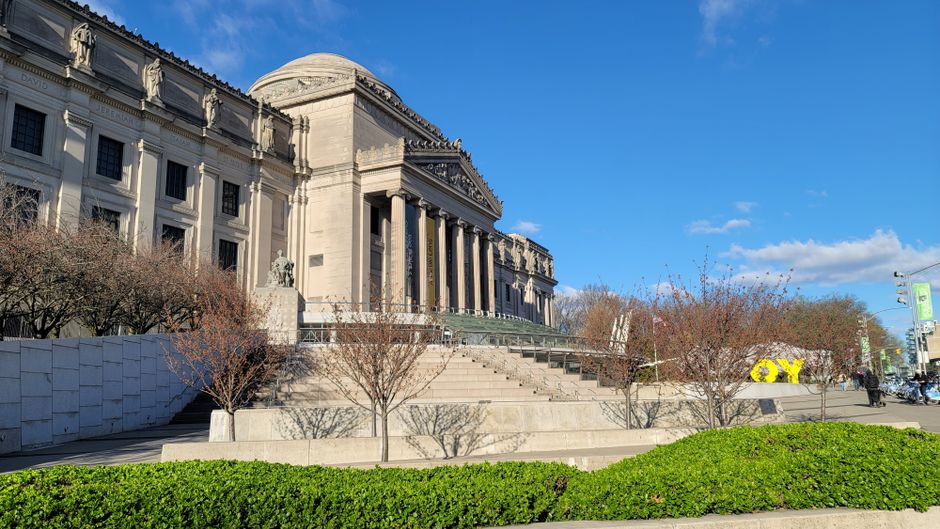
Brooklyn Museum Education Center: A Hub for Learning and Creative Exploration
The Brooklyn Museum Education Center serves as a vital nexus for artistic engagement and educational outreach within the culturally rich landscape of Brooklyn. Its mission transcends mere exhibition; it aims to democratize access to art, foster critical thinking, and cultivate creative expression across all age groups and backgrounds. This comprehensive center offers a diverse array of programs and resources designed to illuminate the museum’s vast collections and connect visitors with the power of art in meaningful ways. From hands-on workshops for young children to in-depth lectures for adults, the Education Center acts as a bridge between the museum’s artifacts and the lived experiences of its community. Its strategic location within the Brooklyn Museum, one of the oldest and largest art museums in the United States, amplifies its reach and impact, drawing upon a global collection spanning millennia and continents.
Programming at the Brooklyn Museum Education Center is meticulously crafted to cater to a wide spectrum of learners. For its youngest patrons, the "Art as Expression" workshops provide an immersive introduction to various art forms. These sessions encourage sensory exploration, allowing children to interact with different textures, colors, and materials, mirroring techniques observed in the museum’s galleries. Activities are often linked to current exhibitions, offering tangible connections between theoretical concepts and visual examples. For instance, a unit on ancient Egyptian art might involve hieroglyphic deciphering and the creation of miniature sarcophagi using clay. The emphasis is on process over product, fostering a playful and inquisitive approach to art-making. These programs are designed to build foundational art literacy, sparking curiosity and a lifelong appreciation for visual culture. The Education Center understands that early exposure to art can significantly impact cognitive development, enhancing problem-solving skills, fine motor control, and imaginative thinking. Therefore, these early childhood programs are a cornerstone of their outreach, laying the groundwork for future engagement with the museum and the broader art world.
School programs represent another significant pillar of the Brooklyn Museum Education Center’s offerings. Recognizing the crucial role of art in a well-rounded education, the center collaborates with New York City public schools and other educational institutions to deliver curriculum-aligned programs. These offerings are not simply field trips; they are carefully designed learning experiences that leverage the museum’s collections as living textbooks. Guided tours are tailored to specific grade levels and subject matter, allowing students to analyze artworks, discuss historical context, and explore diverse artistic traditions. Interactive workshops further deepen engagement, providing opportunities for students to create their own artworks inspired by what they see. For example, a visit to the Arts of Africa galleries might culminate in a workshop on mask-making, encouraging students to research and replicate the symbolic meanings and stylistic elements of African masks. The Education Center actively works to bridge the gap between classroom learning and real-world artistic practice, making the museum a dynamic and relevant educational resource. They understand that for many students, particularly those in under-resourced communities, the Brooklyn Museum might be their sole opportunity for meaningful engagement with professional art. This awareness informs their commitment to accessibility and the development of programs that are both enriching and equitable.
Adult education at the Brooklyn Museum Education Center is equally robust, offering a sophisticated platform for lifelong learning. The center hosts a variety of lectures, panel discussions, and artist talks that delve into specific exhibitions, art historical movements, and contemporary art issues. These programs provide opportunities for deeper intellectual engagement, allowing visitors to gain expert insights from curators, scholars, and practicing artists. For instance, an exhibition on Impressionism might be accompanied by a series of lectures exploring the socio-political context of the movement, the technical innovations of the artists, and their enduring influence. Beyond lectures, the Education Center offers hands-on workshops for adults, catering to a range of skill levels and interests. These workshops might focus on techniques such as oil painting, printmaking, pottery, or even digital art, providing a practical avenue for creative exploration. The intention is to demystify the art-making process, empowering adults to experiment and discover their own creative potential. The center recognizes that adults, too, can benefit from structured learning and creative outlets, offering them a space for personal growth and a deeper connection with the artistic process.
The Brooklyn Museum Education Center places a strong emphasis on community engagement and accessibility. It actively seeks to make the museum a welcoming and inclusive space for all. This commitment is evident in its diverse programming, which aims to reflect the rich tapestry of Brooklyn’s communities. The center collaborates with local organizations, community centers, and cultural groups to develop and deliver programs that resonate with specific populations. For example, they might offer workshops in multiple languages or tailor programs to address the cultural heritage of particular ethnic groups represented within the museum’s collections. Public programs, such as family days and community festivals, further enhance accessibility by providing free or low-cost opportunities for everyone to experience the museum. These events often feature hands-on art activities, performances, and opportunities to interact with museum staff and local artists, fostering a sense of ownership and belonging within the community. The Education Center understands that a museum’s true strength lies in its ability to connect with the people it serves, and its dedication to community engagement is paramount to achieving this goal.
The museum’s collections themselves serve as a rich resource for the Education Center. The Brooklyn Museum boasts a significant and diverse collection, encompassing ancient Egyptian art, African art, European paintings, American art, decorative arts, costume and textiles, and contemporary art. This breadth allows the Education Center to draw upon a vast range of examples to illustrate artistic principles, historical narratives, and cultural dialogues. For instance, the renowned Egyptian collection can be used to teach about ancient civilizations, hieroglyphics, and the funerary practices of a long-lost era. The extensive collection of African art offers opportunities to explore diverse cultural traditions, storytelling through visual mediums, and the impact of colonialism. The American art collection provides a lens through which to examine the nation’s history, evolving identity, and artistic innovations. The Costume and Textile collection offers a unique perspective on social history, fashion trends, and the artistry of wearable objects. By integrating these diverse collections into its educational programming, the Brooklyn Museum Education Center provides a multifaceted and dynamic learning environment that goes beyond rote memorization, encouraging critical inquiry and a nuanced understanding of the world.
Digital initiatives have become an increasingly important component of the Brooklyn Museum Education Center’s outreach. Recognizing the transformative power of technology in education, the center offers a growing array of online resources and virtual programs. These initiatives aim to extend the museum’s reach beyond its physical walls, making its collections and educational content accessible to a global audience. Online exhibitions, virtual tours, and educational videos provide opportunities for self-guided learning and exploration. Furthermore, the Education Center offers online workshops and live-streamed lectures, allowing individuals to participate in educational experiences regardless of their geographical location. This digital expansion is particularly crucial in democratizing access to art education, providing valuable resources for students, educators, and art enthusiasts who may not have the opportunity to visit the museum in person. The development of digital content is often informed by the same pedagogical principles that guide in-person programming, ensuring that online experiences are engaging, informative, and inspiring.
The Brooklyn Museum Education Center actively fosters collaborations with other institutions and organizations. These partnerships amplify the center’s impact and expand its educational reach. Collaborations with local schools, universities, and other museums allow for the sharing of resources, expertise, and best practices. Joint exhibitions, co-hosted events, and collaborative curriculum development are all avenues through which the Education Center strengthens its educational mission. Furthermore, partnerships with community-based organizations enable the center to connect with diverse audiences and address specific community needs. These collaborations are essential for creating a more robust and interconnected educational ecosystem, ensuring that art and culture are accessible and engaging for everyone. The center understands that a siloed approach to education is less effective than a collaborative one, and actively seeks out opportunities to work with others to achieve shared goals.
Teacher professional development is a vital aspect of the Brooklyn Museum Education Center’s commitment to education. The center recognizes that educators play a crucial role in inspiring the next generation of art lovers and thinkers. Therefore, it offers a variety of professional development opportunities for K-12 teachers, museum educators, and other educational professionals. These programs provide teachers with the knowledge, skills, and resources they need to effectively integrate art into their curriculum and utilize museum collections as teaching tools. Workshops might focus on art historical content, pedagogical approaches to teaching art, or strategies for engaging students with diverse learning needs. The aim is to empower teachers, equipping them with the confidence and competence to foster a deeper understanding and appreciation of art among their students. By investing in teacher training, the Education Center not only enhances its direct impact on students but also amplifies its influence across the broader educational landscape.
The impact of the Brooklyn Museum Education Center is multifaceted and far-reaching. It plays a critical role in fostering a more culturally literate and artistically engaged society. By providing accessible and high-quality educational programming, the center cultivates critical thinking skills, enhances creativity, and promotes a deeper understanding of diverse cultures and historical perspectives. Its commitment to community engagement ensures that the museum remains a relevant and vital resource for all New Yorkers. Through its innovative use of technology and its robust partnerships, the Education Center is continuously expanding its reach and impact, making art education more accessible than ever before. The center’s success is measured not only by the number of visitors it serves but also by the transformative learning experiences it facilitates, shaping individuals into more engaged citizens and lifelong learners.
Future directions for the Brooklyn Museum Education Center will likely involve a continued expansion of its digital offerings, further integration of interdisciplinary learning approaches, and an even greater focus on community-driven programming. As societal needs and technological capabilities evolve, the Education Center will undoubtedly adapt its strategies to remain at the forefront of art education. The ongoing exploration of new pedagogical models, such as project-based learning and inquiry-based approaches, will further enhance the depth and relevance of its programs. The commitment to accessibility and equity will remain a guiding principle, ensuring that the Brooklyn Museum Education Center continues to be a beacon of learning and creative exploration for all. The ongoing development of culturally responsive pedagogy, incorporating diverse voices and perspectives, will be paramount in ensuring that the center’s programming resonates with the evolving demographics of Brooklyn and beyond.
