Comprehensive Insight Into Compensation, Facilities, and Selection Guidelines for the 2027 Hajj Operations Officers

Jakarta, CNN Indonesia — The financial compensation and benefits package for Hajj operations officers, locally known as Petugas Penyelenggara Ibadah Haji (PPIH), for the 1448 Hijriah/2027 Gregorian pilgrimage has emerged as a subject of widespread public interest. This surge in curiosity coincides with the official opening of the recruitment process for both the Kloter (group-accompanying) PPIH and Saudi Arabia-based PPIH divisions.
The Ministry of Hajj and Umrah officially commenced the registration phase on August 25, 2026. Beyond navigating complex qualification criteria and rigorous multi-tiered evaluation stages, prospective applicants are placing significant emphasis on understanding the expected honorariums, logistical support, and comprehensive facilities provided throughout their operational tenure in the Kingdom of Saudi Arabia.
Estimated Remuneration and Daily Honorarium Structure for 2027 Hajj Personnel
Addressing the specifics of personnel compensation, Deputy Minister of Hajj and Umrah Dahnil Anzar Simanjuntak indicated that Hajj officers can anticipate daily honorariums ranging between IDR 900,000 and IDR 1,000,000. Given that the standard operational deployment spans approximately 70 days, the financial structure is designed to adequately compensate for the strenuous nature of the mission.
"Because a Hajj officer can receive around IDR 900,000 to IDR 1 million per day, and they serve for nearly 70 days," Dahnil explained following the closing ceremony of the 2026 PPIH Education and Training program held at the Galaxy Airfield of the Air Operations Command I in Halim Perdanakusuma, Jakarta, as cited from Detik.
By utilizing the upper-bound baseline of IDR 1,000,000 per day as an analytical projection, cumulative earnings over the 70-day deployment could theoretically reach approximately IDR 70,000,000 per individual. Nevertheless, policy analysts emphasize that this figure serves as an estimation derived from daily honorarium metrics rather than a fixed, immutable statutory wage officially gazetted exclusively for the 2027 pilgrimage cycle.
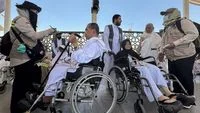
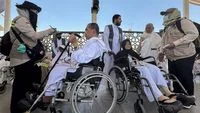
Government authorities maintain that this compensation scale is commensurate with the immense responsibilities shouldered by personnel while operating in the Holy Land. Unlike conventional administrative roles, Hajj officers are tasked with round-the-clock crisis management, crowd control, logistical coordination, healthcare triage, and continuous pastoral and physical assistance for Indonesian pilgrims, many of whom are elderly or undertaking the journey for the first time.
Comprehensive Compensation Components and Operational Facilities
Financial remuneration represents only one facet of the governmental provisions designated for PPIH personnel. To ensure that officers can execute their duties without financial encumbrance, the state provides a robust package of logistical support and operational facilities throughout their deployment.
The structured compensation and support framework encompasses:
- Direct daily honorariums based on active service days.
- Operational allowances designated for field contingencies.
- Fully covered international and domestic transportation.
- Standardized accommodation matching regional operational clusters in Mecca and Medina.
- Comprehensive nutritional provisions (catering and daily subsistence).
- Medical coverage and emergency evacuation provisions where necessary.
These comprehensive provisions are deliberately structured to safeguard the welfare of the personnel, enabling them to maintain optimal physical and mental stamina amid extreme weather conditions and high-density environments characteristic of the pilgrimage season.
Regulatory Framework and State Budget Allocation
The legal foundation governing the appointment, rights, and operational funding of Hajj officers is anchored in national legislation. Specifically, these provisions are regulated under Law Number 14 of 2025, which serves as an amendment to Law Number 8 of 2019 concerning the Organization of Hajj and Umrah.
Under the stipulations of this legislative framework, Hajj officers are formally appointed under the direct authority of the Minister of Hajj and Umrah. Crucially, the operational expenditure required to finance these personnel—including their honorariums, logistical support, training regimens, and facilities—is formally integrated into and charged directly to the State Revenue and Expenditure Budget (APBN). This institutionalized funding mechanism ensures fiscal transparency and guarantees that administrative support for the pilgrimage remains resilient against economic fluctuations.
Chronology and Selection Timeline for the 2027 Hajj Officers
The rigorous recruitment and training timeline for the 1448 H/2027 M Hajj operations cycle has been meticulously structured by the Ministry to filter the most competent candidates. The chronological rollout of the selection process unfolds as follows:
- August 25, 2026: Official nationwide opening of PPIH registration for both Kloter and Saudi Arabia operational desks.
- August 31, 2026: Official closing date for candidate registration and submission of administrative portfolios.
- Early September 2026: Administrative verification and document screening phase conducted by regional and central ministry boards.
- September 5, 2026: Implementation of the Computer Assisted Test (CAT), designed to evaluate general knowledge, religious insight, and operational problem-solving capabilities.
- Mid-September 2026: Medical Check-Up (MCU) phases to ensure absolute physical and psychological fitness for high-stress operational environments.
- Late 2026 to Early 2027: Comprehensive Education and Training (Diklat) programs, simulations, and final operational briefings for successfully vetted candidates.
Mandatory Eligibility Criteria for Prospective Hajj Officers
To maintain the highest standards of public service and representation, candidates aspiring to join the PPIH ranks must satisfy a stringent array of criteria before being permitted to sit for examinations. The mandatory prerequisites include:
- Citizenship and Identity: Applicants must possess official status as Indonesian Citizens (WNI) equipped with valid, verified population identification documents (KTP and Family Card).
- Faith and Integrity: Candidates must be of the Islamic faith, demonstrate high personal integrity, and maintain an unblemished professional and personal record free from moral turpitude.
- Health and Fitness: Successful candidates must pass comprehensive physical and mental health examinations (MCU), proving their capability to endure high temperatures, extensive walking, and intense shift work.
- Administrative Compliance: Applicants must show proof of active membership in the National Health Insurance (BPJS Kesehatan) scheme.
- Technological Literacy: Given the increasing digitization of Hajj services—including smart cards, mobile applications, and digital reporting systems—candidates must be functionally literate in operating computers and mobile smart devices.
- Legal Standing: Applicants must not be involved in any active criminal proceedings or under investigation by law enforcement agencies.
Implications and Analytical Context of Professionalized Hajj Management
The systematic refinement of the Hajj officer recruitment and compensation framework reflects a broader institutional evolution within Indonesia’s religious governance. With the establishment of the dedicated Ministry of Hajj and Umrah, the management of the world’s largest contingent of pilgrims has transitioned toward a more corporate, efficiency-driven public service model.
By offering competitive daily honorariums alongside fully subsidized operational logistics, the government aims to attract high-caliber professionals, including medical doctors, logistics experts, media personnel, and experienced religious guides. In previous decades, volunteerism or minimal stipends occasionally led to mixed performance outcomes, but the current professionalization strategy directly correlates compensation with accountability.
Furthermore, economic analysts point out that injecting substantial operational funds into the hands of tens of thousands of returning PPIH personnel indirectly stimulates domestic economic circulation upon their return, though the primary objective remains strictly service-oriented. The success of the 2027 pilgrimage will heavily hinge on how effectively these well-compensated and rigorously trained officers deploy their skills on the ground to manage millions of movements between Arafah, Muzdalifah, Mina, and the Grand Mosque.
Ultimately, the transparency surrounding the 2027 Hajj officer compensation package reinforces the Ministry’s commitment to meritocratic selection, ensuring that public funds allocated via the APBN yield maximum service quality for Indonesian pilgrims fulfilling their spiritual obligations in the Holy Land.