
Easy Baked Chicken Drumsticks
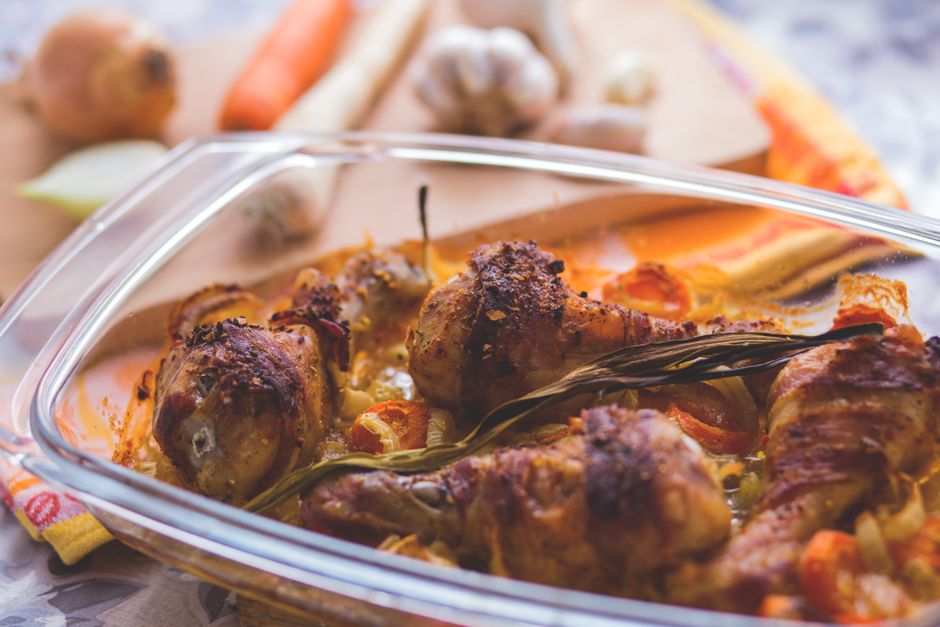
The Ultimate Guide to Effortless Baked Chicken Drumsticks: Crispy Skin, Juicy Meat, Every Time
Achieving perfectly baked chicken drumsticks – that is, drumsticks with irresistibly crispy skin and incredibly juicy, tender meat – might seem like a culinary challenge. However, the reality is far simpler than many home cooks believe. This comprehensive guide breaks down the process into straightforward steps, demystifying the art of baked chicken drumsticks and equipping you with the knowledge to reproduce delicious results consistently. We’ll explore the science behind achieving that coveted crispy skin, the importance of proper seasoning, and optimal cooking temperatures and times to ensure moist, flavorful drumsticks without the fuss. Forget greasy frying or rubbery, dry outcomes; this method focuses on leveraging the oven’s power for a healthy, delicious, and remarkably easy meal.
Understanding the Basics of Baked Chicken Drumsticks
Chicken drumsticks, also known as legs, are a naturally flavorful and forgiving cut of poultry. Their bone-in, skin-on nature contributes significantly to their juiciness and overall appeal. The bone acts as an insulator, keeping the meat moist during cooking, while the fat under the skin renders and crisps up, providing a textural contrast that is highly desirable. The key to successful baking lies in managing moisture and heat. Too much moisture trapped under the skin will result in a steamed, flabby outcome, while insufficient heat will prevent proper browning and crisping. The objective is to create an environment where the skin can dry out and become golden brown and crunchy while the meat cooks through to a safe and tender temperature.
Essential Ingredients for Flavorful Baked Chicken Drumsticks
While the cooking method is crucial, the flavor profile of your baked chicken drumsticks begins with your choice of seasonings and marinades. The beauty of drumsticks lies in their versatility; they readily absorb marinades and welcome a wide array of spice rubs. At its most basic, salt and pepper are non-negotiable. Salt draws out moisture, which can seem counterintuitive, but it also helps to tenderize the meat and enhance its natural flavor. Black pepper adds a subtle pungency. Beyond these fundamentals, consider the following flavor enhancers:
- Garlic Powder and Onion Powder: These are pantry staples that provide a savory, umami depth without requiring fresh ingredients that can burn.
- Paprika: Sweet paprika offers a mild, sweet pepper flavor and a beautiful reddish hue. Smoked paprika adds a distinct smoky note, reminiscent of grilling.
- Herbs: Dried herbs like thyme, rosemary, oregano, and basil work exceptionally well with chicken. Fresh herbs can also be used, though they may require a slightly different application.
- Spicy Elements: For those who enjoy a kick, cayenne pepper, chili powder, or red pepper flakes can be incorporated.
- Acidic Components: Lemon juice or vinegar in marinades can help tenderize the meat and add brightness.
- Sweeteners: A touch of honey, brown sugar, or maple syrup can aid in caramelization and create a slightly sticky glaze.
The Choice of Fat: Crucial for Crispy Skin
The application of fat is paramount for achieving crispy chicken skin. Without it, the skin will remain pale and chewy. The fat helps to conduct heat, promoting browning and rendering of the chicken’s own fat.
- Olive Oil: A versatile and readily available option, olive oil is excellent for coating drumsticks. Extra virgin olive oil offers a slightly more robust flavor.
- Vegetable Oil or Canola Oil: These neutral-flavored oils are excellent for achieving high heat and crisping.
- Melted Butter: Butter contributes a rich flavor and aids in browning, though it can sometimes burn at very high temperatures.
- Avocado Oil: With a high smoke point, avocado oil is ideal for ensuring crisping without burning.
Preparing Chicken Drumsticks for Baking
The preparation steps are simple but impactful.
- Thawing: If your drumsticks are frozen, ensure they are completely thawed before cooking. This can be done in the refrigerator overnight or by using the defrost setting on your microwave. Never thaw chicken at room temperature, as this can lead to bacterial growth.
- Patting Dry: This is arguably the most critical step for achieving crispy skin. Use paper towels to thoroughly pat each drumstick dry. Moisture is the enemy of crispiness. The drier the skin, the better it will crisp up in the oven. Pay attention to any damp spots.
- Trimming Excess Fat (Optional): While some fat contributes to flavor and crispiness, excessive, loose pieces of fat can create a greasy outcome. You can trim these away if desired, but be mindful not to remove too much.
-
Seasoning Application: This is where the flavor magic happens.
- Dry Rub Method: In a bowl, combine your chosen dry spices. Drizzle the drumsticks with a tablespoon or two of your chosen fat. Then, generously coat each drumstick with the dry rub, ensuring it’s evenly distributed, including under the skin where possible. Gently lift the skin and rub some seasoning directly onto the meat for maximum flavor penetration.
- Marinade Method: Place the drumsticks in a resealable bag or a shallow dish. Pour your marinade over the drumsticks, ensuring they are fully submerged. Marinate in the refrigerator for at least 30 minutes, or up to 4 hours for deeper flavor. Before baking, remove the drumsticks from the marinade and pat them very dry again with paper towels. Excess marinade will create steam and inhibit crisping.
Oven Temperature and Baking Time: The Sweet Spot
Achieving the perfect balance of cooked-through meat and crispy skin hinges on correct oven temperature and judicious timing.
- Recommended Oven Temperature: A common and effective temperature for baking chicken drumsticks is 400°F (200°C). This moderate-high heat allows the skin to crisp up efficiently without overcooking the meat. Some recipes may call for higher temperatures, but this can increase the risk of burning the exterior before the interior is cooked. Conversely, too low a temperature will result in pale, flabby skin.
- Baking Time: The cooking time will vary depending on the size of the drumsticks and your oven. However, a general guideline is 35-45 minutes.
- Initial Bake: Place the seasoned drumsticks on a baking sheet lined with parchment paper or aluminum foil (for easier cleanup). Ensure they are not overcrowded, as this will prevent air circulation and hinder crisping. Leave some space between each drumstick.
- Mid-Bake Flip: Around the halfway mark (approximately 20-25 minutes), it’s beneficial to flip the drumsticks. This ensures even browning and crisping on all sides.
- Checking for Doneness: The most reliable way to determine if your drumsticks are cooked is by using an instant-read thermometer. Insert the thermometer into the thickest part of the drumstick, avoiding the bone. The internal temperature should reach 165°F (74°C). The juices should also run clear when pierced with a fork or knife. If the skin is browning too quickly before the chicken is cooked through, you can loosely tent the baking sheet with foil.
Strategies for Extra Crispy Skin
If you are a serious enthusiast of crispy chicken skin, here are a few advanced techniques to elevate your baked drumsticks:
- The Baking Rack Method: Instead of placing drumsticks directly on the baking sheet, elevate them on a wire rack set inside the baking sheet. This allows hot air to circulate all around the drumsticks, including the undersides, promoting even crisping and preventing the bottoms from steaming in their own juices. This is a game-changer for achieving uniformly crispy skin.
- Baking Soda in the Dry Rub: A small amount of baking soda (about ½ teaspoon per pound of chicken) mixed into your dry rub can significantly enhance skin crispiness. Baking soda raises the pH of the skin, which breaks down proteins and aids in moisture evaporation, leading to a more pronounced crisp. Ensure it is thoroughly mixed and evenly distributed.
- Pre-Drying the Skin: For an almost guaranteed crispy skin, you can leave the seasoned, patted-dry drumsticks uncovered in the refrigerator for at least a few hours, or even overnight. This allows the salt in the seasoning to draw out more surface moisture, creating a drier skin that will crisp up more readily in the oven. This is often referred to as "air-drying."
- Higher Initial Temperature, Then Reduce: For an initial burst of heat to jumpstart crisping, you can bake the drumsticks at a higher temperature, like 425°F (220°C), for the first 15-20 minutes, then reduce the temperature to 375°F (190°C) for the remainder of the cooking time. Monitor closely to prevent burning.
Common Pitfalls and How to Avoid Them
- Overcrowding the Pan: This is a common mistake that leads to steaming rather than baking, resulting in soggy skin and uneven cooking. Ensure ample space between each drumstick.
- Not Patting Dry: As emphasized repeatedly, insufficient drying is the primary culprit behind flabby skin. Make this a non-negotiable step.
- Under-seasoning: Chicken drumsticks can handle bold flavors. Don’t be shy with your seasonings; they are the foundation of a delicious meal.
- Opening the Oven Door Too Often: Each time you open the oven door, you release precious heat, prolonging the cooking time and potentially hindering the crisping process. Resist the urge to peek constantly.
- Overcooking: While dryness is a concern, overcooking will result in tough, stringy meat. Rely on the thermometer for accuracy.
Serving Suggestions and Variations
Baked chicken drumsticks are incredibly versatile and can be served with a wide array of side dishes.
- Classic Comfort Foods: Mashed potatoes, roasted vegetables (broccoli, carrots, Brussels sprouts), coleslaw, and macaroni and cheese are perennial favorites.
- Lighter Options: A crisp green salad, quinoa, or a lentil salad can provide a healthier pairing.
- Global Flavors: Experiment with marinades and rubs inspired by different cuisines. Think lemon-herb Mediterranean, spicy Korean gochujang, or smoky barbecue.
- Dipping Sauces: Offer a selection of dipping sauces like ranch, barbecue sauce, honey mustard, or sriracha mayo to complement the drumsticks.
Lemon Herb Baked Chicken Drumsticks: Toss drumsticks with olive oil, minced garlic, lemon zest, dried oregano, dried thyme, salt, and pepper. Bake at 400°F (200°C) for 35-45 minutes, flipping halfway.
Spicy Paprika Baked Chicken Drumsticks: Combine olive oil with smoked paprika, garlic powder, onion powder, cayenne pepper, salt, and pepper. Coat drumsticks and bake at 400°F (200°C) for 35-45 minutes, flipping halfway.
Honey Garlic Baked Chicken Drumsticks: Marinate drumsticks in a mixture of soy sauce, honey, garlic, and ginger for at least 30 minutes. Remove from marinade, pat dry, and bake at 400°F (200°C) for 35-45 minutes, flipping halfway. Brush with a little extra honey in the last 10 minutes for extra glaze.
The Importance of Food Safety
Always prioritize food safety when handling and cooking chicken.
- Cross-Contamination: Use separate cutting boards and utensils for raw chicken and other foods. Wash hands thoroughly with soap and water after handling raw chicken.
- Cooking Temperature: As mentioned, ensure chicken reaches an internal temperature of 165°F (74°C) to kill harmful bacteria.
- Storage: Refrigerate leftover cooked chicken within two hours of cooking. Store in an airtight container for up to 3-4 days.
Conclusion: Mastering the Art of Easy Baked Chicken Drumsticks
Baking chicken drumsticks to perfection is not a matter of luck but of understanding fundamental cooking principles. By paying attention to drying the skin thoroughly, employing strategic seasoning, and adhering to optimal oven temperatures and cooking times, you can consistently produce drumsticks that are both incredibly flavorful and texturally delightful. The adaptability of this dish means you can endlessly experiment with different flavor profiles, making it a go-to option for weeknight dinners and casual gatherings alike. The techniques outlined in this guide empower home cooks to bypass complicated preparations and achieve impressive results with minimal effort, proving that delicious, crispy, and juicy baked chicken drumsticks are well within reach for everyone.
