
Eggs Benedict Breakfast Pizza
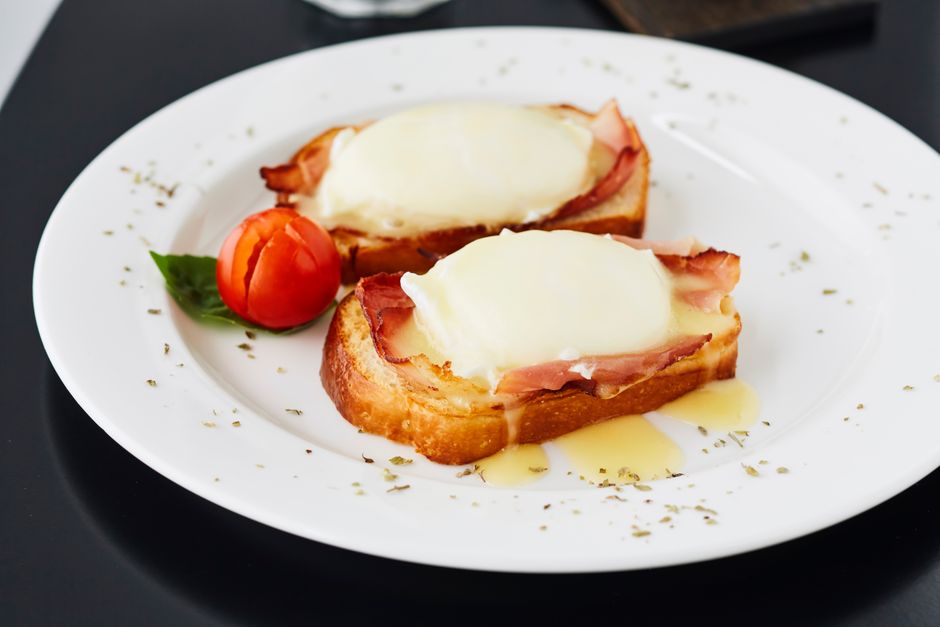
Eggs Benedict Breakfast Pizza: A Culinary Masterpiece Redefined
The Eggs Benedict Breakfast Pizza represents a sophisticated fusion of classic brunch indulgence and accessible, everyday comfort food. This innovative dish takes the beloved elements of traditional Eggs Benedict – poached eggs, rich hollandaise sauce, Canadian bacon or ham, and an English muffin – and reimagines them atop a crispy, savory pizza crust. The result is a breakfast or brunch experience that is both familiar and exciting, offering a textural and flavor complexity that elevates the humble breakfast pizza to gourmet status. This article will explore the multifaceted appeal of Eggs Benedict Breakfast Pizza, delving into its components, variations, preparation techniques, and its burgeoning popularity, providing a comprehensive guide for home cooks and culinary enthusiasts alike.
The foundation of any great pizza, including this breakfast iteration, is the crust. For an Eggs Benedict Breakfast Pizza, a sturdy, slightly chewy crust is ideal to support the weight of the toppings without becoming soggy. A classic pizza dough recipe, often a simple combination of flour, yeast, water, salt, and a touch of olive oil, works perfectly. The key is to achieve a balance between crispness on the bottom and a pleasant chewiness on the interior. Par-baking the crust partially before adding the toppings is a crucial step to ensure this textural integrity. This preliminary bake firms up the dough, creating a robust platform that can withstand the moisture from the eggs and sauce. Alternatively, a pre-made pizza crust or even a thick, grilled flatbread can serve as a convenient base, though the flavor and texture will differ. For those seeking a lighter option, a cauliflower crust or a gluten-free alternative can also be employed, though adjustments to baking times and temperatures may be necessary. The surface area of the crust should be optimized to hold a generous, yet balanced, distribution of the Eggs Benedict components.
The traditional savory elements of Eggs Benedict are adapted for the pizza canvas. Instead of the single English muffin, these flavors are spread across the entire surface. Canadian bacon or good quality ham is a non-negotiable component, providing a salty, slightly smoky counterpoint to the richness of the other ingredients. Sliced thinly, it distributes evenly and crisps up delightfully in the oven. Pancetta or prosciutto can offer a more gourmet alternative, introducing deeper, more complex cured pork flavors. The key is to use a cured meat that renders some of its fat during baking, contributing to the overall flavor profile and adding a touch of savory lubrication to the pizza. The amount of meat should be sufficient to be present in most bites without overwhelming the other components.
The star of any Eggs Benedict, the perfectly poached egg, is where the breakfast pizza truly shines. Recreating the iconic runny yolk atop a pizza requires a specific approach. While it’s possible to poach eggs separately and then carefully place them on the pizza after it’s baked, a more integrated method involves cracking eggs directly onto the pizza during the final stages of baking. This allows the whites to set while the yolk remains liquid and vibrant. To achieve this, create small wells or indentations on the pizza surface amongst the other toppings, then gently crack an egg into each well. The heat of the oven will cook the eggs to perfection, creating that signature burst of golden yolk when bitten into. Some chefs opt for a method where the eggs are cracked onto a parchment-lined baking sheet and partially cooked in the oven before being transferred to the pizza, ensuring a more controlled cooking process. The number of eggs will depend on the size of the pizza and personal preference, but typically, 2-4 eggs per pizza is a good starting point. The ideal state is for the whites to be just set, while the yolk remains gloriously fluid.
The luxurious hollandaise sauce is perhaps the most challenging, yet most rewarding, element to incorporate into an Eggs Benedict Breakfast Pizza. This emulsified butter sauce, traditionally made with egg yolks, lemon juice, and melted butter, provides a rich, tangy, and creamy topping. While a traditional stovetop hollandaise can be made, it can be prone to breaking when exposed to the direct heat of the oven for an extended period. Therefore, a common and highly effective strategy is to drizzle the hollandaise over the pizza after it has been baked. This ensures the sauce remains smooth, luscious, and at its optimal temperature. A well-made hollandaise, with its delicate balance of acidity from the lemon and richness from the butter, ties all the flavors of the pizza together. For those seeking a dairy-free or egg-free alternative, an avocado-based "hollandaise" or a cashew cream sauce can provide a similar creamy texture and richness, though the flavor profile will naturally differ. Whisking the hollandaise vigorously before serving is essential to ensure it is well-emulsified and has a glossy sheen.
Beyond the core components, a wealth of variations allows for personalization and creative expression in Eggs Benedict Breakfast Pizza. Green onions or chives, finely chopped, add a fresh, oniony bite that cuts through the richness. A sprinkle of paprika or a pinch of cayenne pepper can introduce a subtle warmth. Some may prefer to add sautéed spinach or kale, wilted down to reduce moisture content, for added nutrition and color. Mushrooms, sautéed until tender and golden, offer an earthy depth. For a more decadent experience, crumbled crispy bacon can be added alongside the Canadian bacon. Smoked salmon can be incorporated for a luxurious seafood twist, acting as a sophisticated alternative to the cured pork. The possibilities are nearly endless, allowing each chef to craft their unique rendition of this breakfast masterpiece. Consider the interplay of textures and flavors when selecting additional toppings. The goal is to complement, not compete with, the signature elements of Eggs Benedict.
The preparation of an Eggs Benedict Breakfast Pizza involves a strategic layering process to maximize flavor and texture. Begin with the prepared pizza crust. A light brushing of olive oil on the crust can enhance crispness and provide a base for the toppings. The cured meat, such as Canadian bacon or ham, is then distributed evenly across the surface. If using vegetables like spinach or mushrooms, they are typically added at this stage as well, allowing them to cook and soften. The pizza is then par-baked until the crust is partially set and beginning to crisp. Once this initial bake is complete, the wells for the eggs are created, and the eggs are cracked directly onto the pizza. The pizza is returned to the oven for the final baking stage, allowing the egg whites to set and the yolks to remain runny. The timing here is critical – overcooked yolks will diminish the iconic Eggs Benedict experience.
Once the pizza emerges from the oven, hot and fragrant, the final, crucial step is the application of the hollandaise sauce. Generous drizzles over the entire pizza ensure that every slice is graced with its creamy, tangy goodness. A final garnish of fresh chives or parsley adds a vibrant pop of color and a fresh aroma. The pizza is then sliced and served immediately, allowing guests to experience the perfect interplay of a crisp crust, savory toppings, a perfectly runny yolk, and the luxurious embrace of hollandaise. The visual appeal of an Eggs Benedict Breakfast Pizza, with its glistening yolks and creamy sauce, is as impressive as its flavor.
The SEO appeal of "Eggs Benedict Breakfast Pizza" lies in its combination of two highly searched and popular culinary terms. "Eggs Benedict" consistently ranks high for breakfast and brunch recipes, evoking images of indulgence and classic comfort. "Breakfast Pizza" is also a widely sought-after term, appealing to those looking for creative and satisfying breakfast alternatives to traditional options. The combined phrase targets a specific niche of food enthusiasts seeking innovative brunch ideas. Optimizing content around this dish involves using relevant keywords throughout the article, such as "breakfast pizza recipe," "Eggs Benedict variations," "homemade hollandaise," "brunch ideas," "easy breakfast pizza," and "gourmet pizza." Incorporating these terms naturally within descriptive paragraphs and headings will enhance search engine visibility. Furthermore, discussing the health benefits or specific dietary considerations, such as gluten-free or dairy-free options, can broaden the search reach.
The growing popularity of Eggs Benedict Breakfast Pizza can be attributed to several factors. Firstly, it caters to the increasing demand for brunch as a dedicated meal occasion, often surpassing breakfast in social and culinary significance. Secondly, it appeals to a desire for fusion cuisine, blending established favorites into novel and exciting combinations. The visual appeal also plays a significant role, as highly shareable food creations are increasingly sought after in the age of social media. Restaurants are embracing this trend, offering their interpretations on brunch menus, which in turn inspires home cooks to experiment in their own kitchens. The inherent adaptability of the pizza format allows for endless customization, making it a universally appealing dish. The combination of familiar flavors presented in a new and exciting way makes Eggs Benedict Breakfast Pizza a compelling culinary innovation. Its ability to bridge the gap between casual comfort food and elevated dining makes it a permanent fixture in the modern culinary landscape.
