
Gaza Aid Convoys Ambush
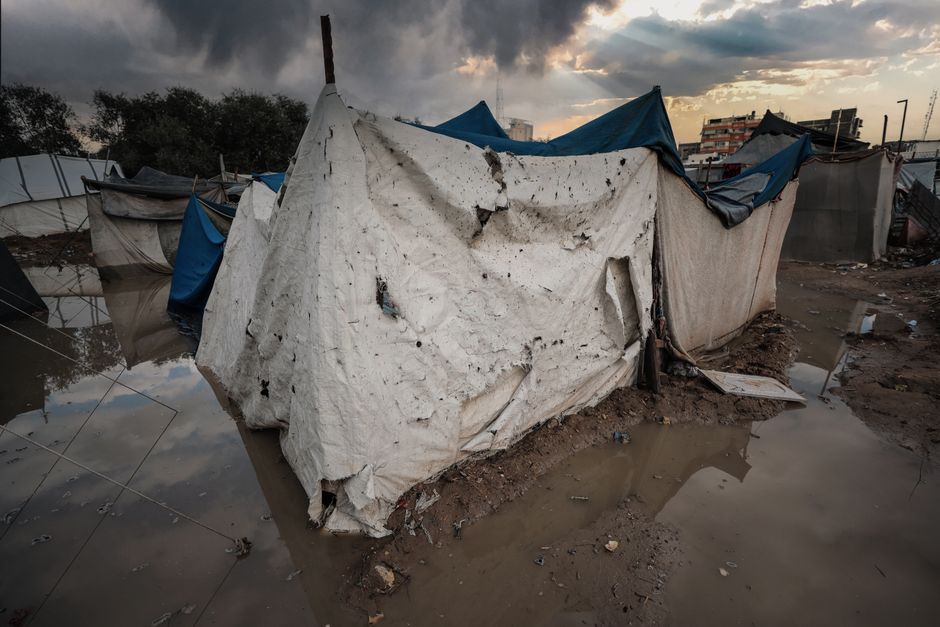
Gaza Aid Convoys Ambushed: A Deadly Intersection of Conflict and Humanitarian Crisis
The plight of civilians in the Gaza Strip has been a protracted and devastating humanitarian crisis, exacerbated by ongoing conflict and severe restrictions on essential supplies. Amidst this dire situation, aid convoys, intended as lifelines for a starving population, have become tragically vulnerable targets, experiencing ambushes that have claimed lives, destroyed vital resources, and further complicated relief efforts. These attacks are not isolated incidents but represent a chilling pattern that highlights the perilous environment in which humanitarian aid operates and raises profound questions about accountability, international law, and the future of humanitarian access in conflict zones. The ambushes of Gaza aid convoys are a stark manifestation of the complex interplay between military operations, political objectives, and the urgent need to deliver assistance to those in desperate circumstances.
The geography of Gaza, a densely populated coastal strip, itself presents inherent challenges for the safe passage of aid. The narrow corridors and limited entry points, often controlled by various factions and subject to stringent Israeli security checks, create choke points where convoys are susceptible to interception. Furthermore, the protracted nature of the conflict has fragmented control and introduced numerous armed actors, some of whom may view aid convoys as legitimate targets for various reasons, including extortion, territorial control, or as a means to disrupt perceived adversarial supply lines. The lack of robust security guarantees from all parties involved in the conflict means that even meticulously planned aid deliveries operate under a cloud of pervasive risk. The international community, while vocal in its condemnation of such attacks, has struggled to implement effective mechanisms that ensure the safety and unimpeded flow of humanitarian assistance, leaving aid workers and recipients exposed to extreme danger.
The motivations behind these ambushes are multifaceted and often debated. In some instances, reports suggest that attacks have been carried out by individuals or groups seeking to seize the contents of the convoys, driven by desperation and the rampant scarcity of food, medicine, and other necessities. This opportunistic looting, while not necessarily politically motivated, underscores the breakdown of order and the extreme level of need within Gaza. In other scenarios, the ambushes may be more strategically orchestrated, potentially by armed factions seeking to assert control over access routes, extract a toll from humanitarian organizations, or to use the disruption as a bargaining chip. Furthermore, the blurred lines of responsibility in active conflict zones mean that attributing specific attacks to particular groups can be incredibly difficult, often leading to conflicting narratives and a lack of definitive accountability. The ambiguity surrounding the perpetrators and their motives complicates efforts to prevent future attacks and to hold those responsible to account.
The consequences of these ambushes extend far beyond the immediate loss of life and destruction of goods. Each attack represents a severe blow to the morale of both aid workers and the desperate population they serve. The psychological impact of witnessing or experiencing such violence can be profound, leading to increased anxiety, trauma, and a diminished capacity to provide and receive aid. Moreover, the destruction of food, water, and medical supplies directly exacerbates the existing humanitarian crisis, pushing already vulnerable populations closer to the brink of starvation and disease. The diversion of resources that would have otherwise reached civilians means that critical needs remain unmet, leading to preventable suffering and death. The disruption of supply chains also incurs significant financial costs for humanitarian organizations, requiring them to absorb losses, replant convoys, and potentially increase security measures, all of which divert funds from direct relief efforts.
The legal and ethical ramifications of ambushing aid convoys are significant. Under international humanitarian law, specifically the Geneva Conventions and their Additional Protocols, civilian infrastructure, including humanitarian aid, is afforded protection. Attacks deliberately targeting aid convoys or personnel constitute war crimes. The principle of distinction requires belligerents to differentiate between combatants and civilians, and between military objectives and civilian objects. Humanitarian aid and the means of its delivery are unequivocally civilian objects. Therefore, any deliberate attack on such convoys would be a clear violation of these fundamental principles. The challenge lies in the enforcement of these laws in a complex and often lawless environment. Investigations into alleged war crimes are often protracted, hindered by a lack of access, evidence, and the political will of various international actors. This impunity can embolden further attacks and undermine the credibility of international legal frameworks designed to protect civilians in conflict.
The international community’s response to the ambushes of Gaza aid convoys has been characterized by a mix of condemnation, appeals for restraint, and attempts to facilitate aid flow through various channels. Diplomatic efforts have been made to pressure all parties to respect humanitarian access and to ensure the safety of aid workers. However, the effectiveness of these efforts has been limited by the realities on the ground, including the deeply entrenched nature of the conflict and the diverse interests of the actors involved. The establishment of humanitarian corridors, safe passage agreements, and deconfliction mechanisms have been proposed and, in some cases, implemented, but their success has been inconsistent and often fragile. The reliance on assurances from warring factions, which may themselves be perpetrators or enablers of attacks, presents a fundamental dilemma for humanitarian organizations. The push for independent investigations and accountability mechanisms remains a critical demand from human rights organizations and many governments.
The role of social media and global media coverage in shaping perceptions and driving action related to Gaza aid convoys is also noteworthy. Vivid images and harrowing accounts of ambushed convoys and their victims can galvanize public opinion and create pressure for intervention. However, this media attention can also be a double-edged sword, sometimes used to disseminate propaganda or to selectively highlight certain narratives, potentially obscuring the full complexity of the situation. The challenge for media is to provide accurate, impartial, and contextualized reporting that informs the public without sensationalizing the suffering or contributing to further polarization. The narratives surrounding these ambushes are often contested, with different actors presenting their versions of events to justify their actions or to condemn their adversaries.
Looking ahead, addressing the issue of Gaza aid convoy ambushes requires a multi-pronged approach. Firstly, there is an urgent need for enhanced security guarantees for humanitarian operations. This could involve greater involvement of neutral international bodies in coordinating and protecting aid convoys, though the feasibility of such a scenario is highly dependent on political will and the willingness of all parties to cooperate. Secondly, strengthening accountability mechanisms for violations of international humanitarian law is paramount. This includes ensuring thorough and independent investigations into all alleged attacks and prosecuting those found responsible, regardless of their affiliation. Thirdly, sustained diplomatic pressure is necessary to impress upon all actors the imperative of respecting humanitarian access and protecting civilian populations and infrastructure. This pressure must be consistent and backed by tangible consequences for non-compliance.
The situation also highlights the systemic challenges faced by humanitarian aid in active conflict zones. The politicization of aid, the weaponization of access, and the inherent dangers of operating in environments where the rule of law is undermined all contribute to the vulnerability of relief efforts. The international community must move beyond rhetoric and develop more robust strategies to ensure that humanitarian assistance can reach those in need without becoming a casualty of war. The ambushes of Gaza aid convoys are not merely isolated tragedies; they are symptomatic of a deeper crisis in the protection of civilians and the delivery of life-saving assistance in the 21st century. The future of humanitarianism hinges on its ability to navigate these perilous landscapes and to secure the fundamental right to receive aid, even in the darkest of times. The ongoing cycle of violence and suffering necessitates a fundamental re-evaluation of how international efforts can more effectively safeguard these critical lifelines. The effectiveness of future aid missions in Gaza, and indeed in many other conflict-affected regions, will be measured not only by the quantity of supplies delivered but by the security and dignity with which those supplies can reach their intended recipients. The persistence of such ambushes signals a failure of existing protective frameworks and a call for more decisive, and potentially innovative, interventions to uphold the principles of humanity.
