
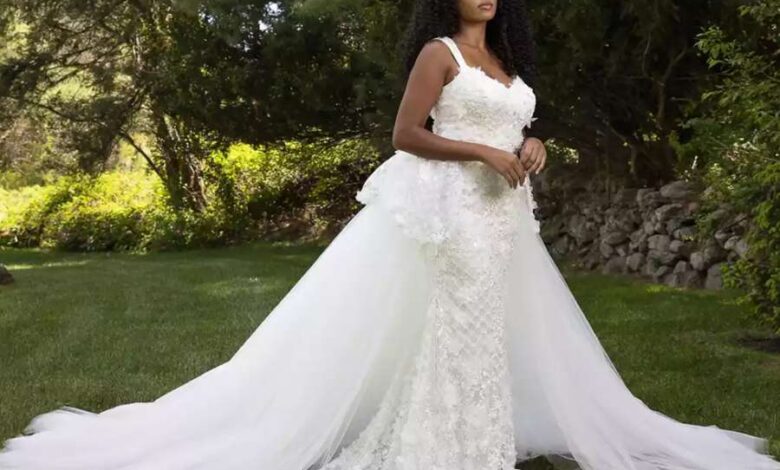
Gender Neutral Wedding Fashion A Modern Approach
Gender neutral wedding fashion is gaining popularity as couples seek more inclusive and expressive ways to celebrate their union. This trend moves beyond traditional gender roles in wedding attire, offering a fresh perspective on expressing individuality and celebrating diverse identities. From the couple to the bridal party and guests, the options are expanding, reflecting a broader societal shift towards inclusivity.
This exploration dives deep into the world of gender-neutral wedding fashion, examining its key characteristics, impact on the industry, cultural contexts, and practical considerations. We’ll discuss various clothing options, trends, and visual representations, ultimately offering a comprehensive understanding of this evolving style.
Defining Gender Neutral Wedding Fashion
Gender-neutral wedding fashion is a growing trend that reflects a shift in societal expectations and attitudes toward weddings. It moves beyond traditional gendered roles, allowing couples to express their individuality and values in a way that feels authentic and personal. This approach recognizes that weddings are not just about conforming to established norms but about celebrating unique relationships and identities.This evolution is driven by increasing awareness of diverse gender identities and expressions, as well as a desire for inclusivity.
The desire for a more personalized and reflective wedding experience, which extends beyond rigid gender expectations, is also contributing to this shift. The wedding industry is responding by offering a wider range of styles and options, enabling couples to create a ceremony and reception that truly represents their values.
Key Characteristics of Gender-Neutral Wedding Fashion
Gender-neutral wedding fashion transcends the traditional binary of “masculine” and “feminine” attire. It embraces a spectrum of styles that are both comfortable and expressive, encouraging individuals to choose outfits that reflect their personal aesthetic and values, rather than societal expectations. This includes allowing for choices that previously might have been seen as “masculine” for women or “feminine” for men, such as suits for women and dresses for men.
It’s about freedom of choice, and the ability to express one’s individuality.
Evolving Societal Norms and Expectations
Modern society is increasingly embracing a more inclusive and diverse understanding of gender. This shift in perspective has had a significant impact on the wedding industry, encouraging greater flexibility and acceptance of diverse wedding styles. Couples are no longer confined to traditional gender roles in choosing attire and decorations, allowing for greater creativity and self-expression. This is evident in the growing popularity of gender-neutral wedding attire, where couples are choosing outfits that celebrate their individual tastes and styles.
For example, a couple might choose a tailored suit for the groom and a jumpsuit for the bride, showcasing their shared fashion sensibilities rather than adhering to gendered stereotypes.
Impact of Inclusivity and Diverse Representation
The wedding industry is increasingly recognizing the importance of inclusivity and diverse representation. This recognition has led to a significant shift in the way wedding fashion is presented. Vendors are actively incorporating gender-neutral options into their collections, providing a wider array of choices for couples who want to express their individuality. The increased visibility of gender-neutral weddings in media and social media platforms also plays a crucial role in normalizing this trend.
This trend showcases the evolution of the industry to accommodate a wider range of preferences and tastes, reflecting the changing social landscape.
Reflection of Broader Social Changes
Gender-neutral wedding fashion is a tangible reflection of broader social changes regarding gender roles and expressions. It represents a move towards a more fluid and inclusive understanding of gender identity. This trend showcases a societal shift towards accepting diverse expressions of individuality and celebrating relationships beyond traditional gender norms. It highlights the growing acceptance of non-binary identities and the freedom to express oneself authentically, which extends to wedding attire and ceremonies.
Exploring Different Aspects of the Style
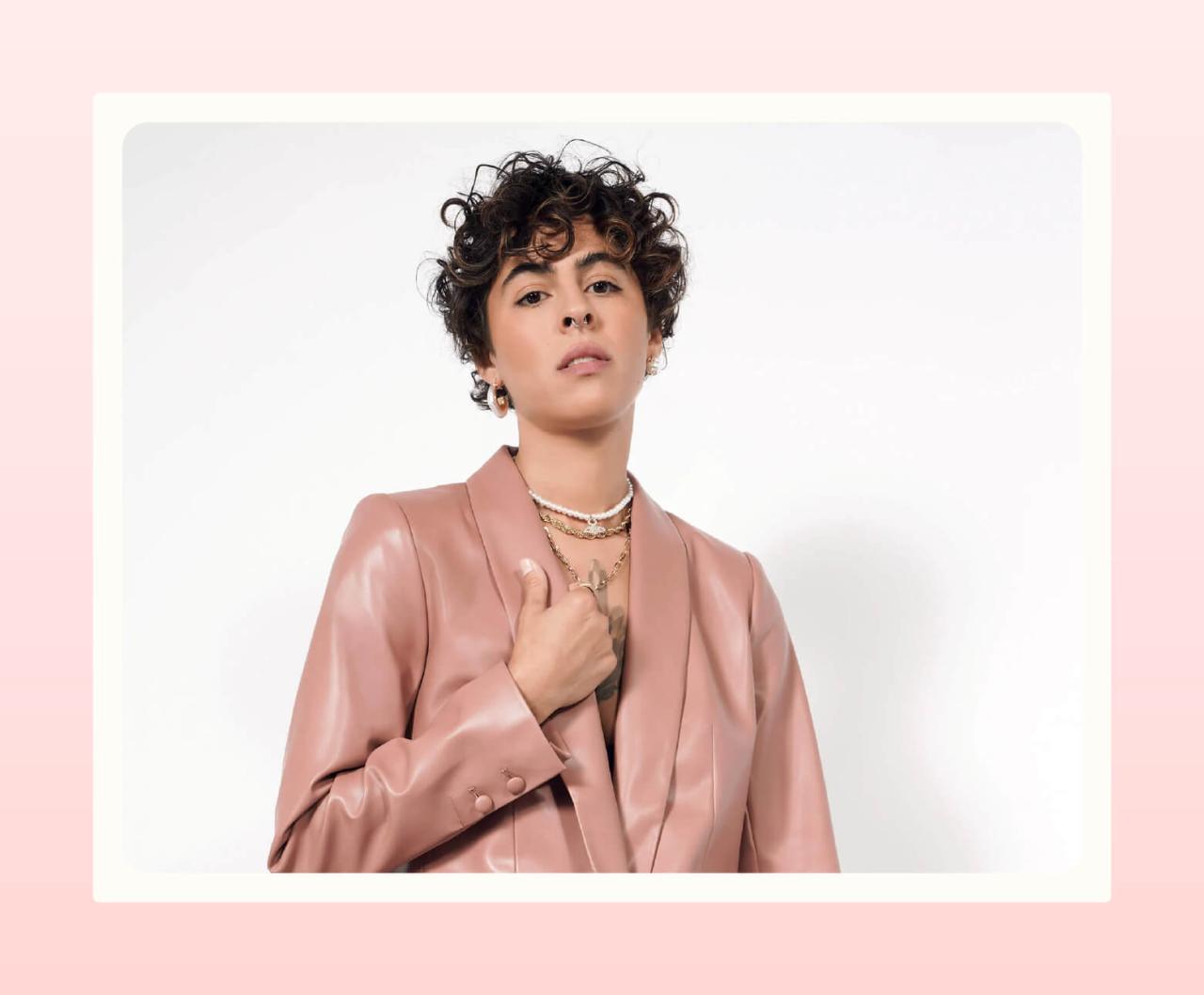
Gender-neutral wedding fashion offers a liberating approach to expressing individuality and celebrating love without adhering to traditional gender roles. This approach allows couples and guests to embrace a unique aesthetic that reflects their personal styles and preferences. The flexibility of the style opens doors to creativity and inclusivity, fostering a sense of unity and shared experience among all attendees.Beyond the core concept, this exploration delves into the diverse clothing options available for a gender-neutral wedding, focusing on attire for the couple, bridal party, and guests.
A detailed comparison between traditional and gender-neutral options will be presented, alongside insights into current trends and essential accessories.
Clothing Options for the Couple
The couple has the freedom to choose attire that best embodies their shared vision. This can range from coordinating suits or tailored separates to unique and personalized pieces that reflect their individual personalities.
Clothing Options for the Bridal Party
The bridal party, whether bridesmaids or groomsmen, can choose attire that mirrors the couple’s chosen style. This could involve matching outfits or complementary pieces that allow for individual expression within a unified aesthetic.
Clothing Options for Guests
Guests are encouraged to embrace the gender-neutral theme by choosing attire that resonates with their personal style. This can be anything from elegant separates to statement pieces, with the emphasis on comfortable and stylish options that complement the wedding’s overall atmosphere.
Comparison of Traditional vs. Gender-Neutral Wedding Attire
| Role | Traditional Attire | Gender-Neutral Option |
|---|---|---|
| Couple | Bride in a white dress, Groom in a tuxedo | Both in coordinating suits, tailored separates, or unique custom pieces |
| Bridal Party | Bridesmaids in dresses, Groomsmen in suits | Matching or complementary separates, tailored jackets and trousers, or custom-designed outfits |
| Guests | Guests adhering to formal dress codes (e.g., cocktail attire) | Variety of options, including tailored trousers, stylish dresses, or comfortable separates, depending on the couple’s preference |
Trends and Elements in Gender-Neutral Wedding Fashion
A key trend in gender-neutral wedding fashion is the emphasis on silhouettes that are both flattering and comfortable. This includes flowing silhouettes, tailored cuts, and versatile designs. Fabric choices are diverse, from luxurious silks and satins to comfortable linens and cottons. Color palettes are becoming increasingly expansive, moving beyond traditional white and black to encompass a spectrum of hues that reflect the couple’s personality.
Accessories for Gender-Neutral Wedding Attire
Accessories are crucial for complementing gender-neutral wedding attire and adding personal touches. They can also be used to create a cohesive look across the couple and bridal party.
Accessories can elevate a look and provide a unique opportunity for personalization.
Gender-neutral wedding fashion is really taking off, and it’s awesome to see so much creativity in the designs. This movement reflects a broader societal shift towards inclusivity, and the Davine Joy Randolph Awards highlight the importance of celebrating diverse individuals and styles. Ultimately, it’s all about finding a look that truly embodies the couple’s unique personalities and values, regardless of traditional gender roles.
- Jewelry: Statement necklaces, delicate earrings, or minimalist bracelets are all excellent options. Materials like pearls, gemstones, and metals can be incorporated to create a cohesive look.
- Hats and headpieces: Hats and headpieces can add a touch of elegance and personality to the overall aesthetic. They can also be a great way to express individual styles.
- Shoes: Comfortable and stylish footwear, such as elegant flats, loafers, or heels, can complete the look. The selection should match the couple’s chosen aesthetic and preferences.
- Bags: Stylish clutches, satchels, or backpacks can add a final touch of sophistication and practicality to the ensemble.
Analyzing the Impact on the Industry: Gender Neutral Wedding Fashion
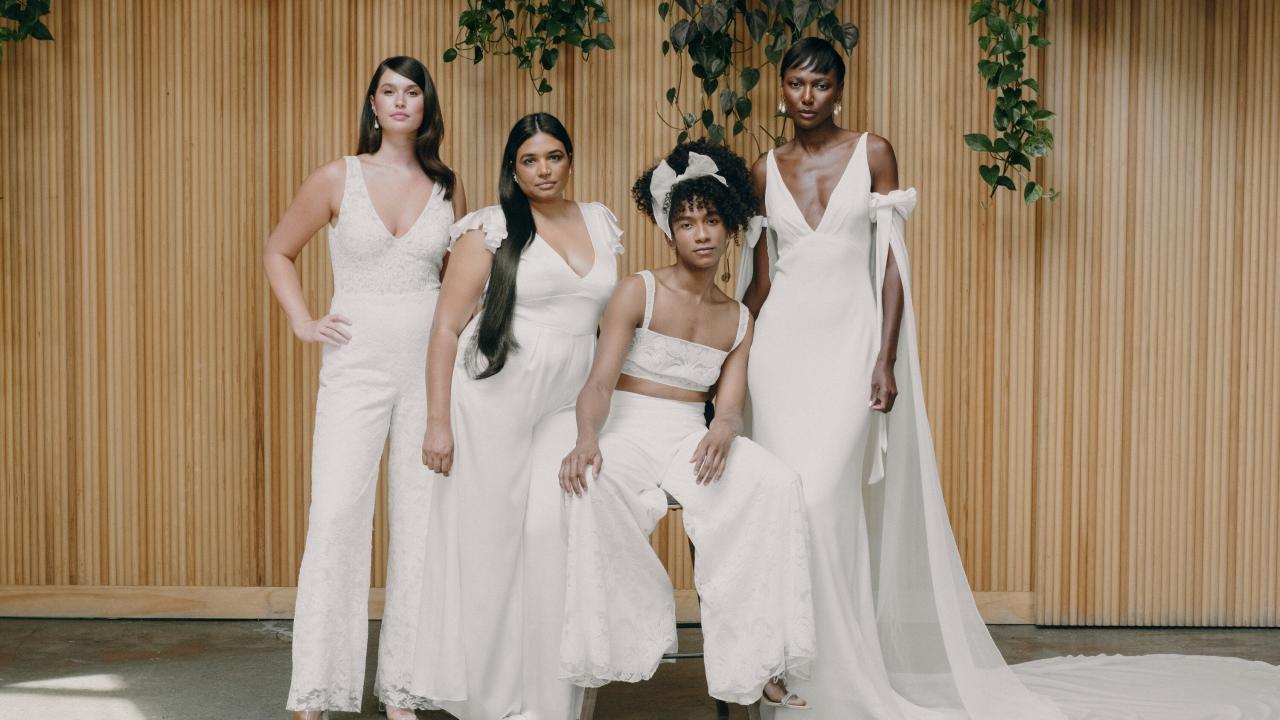
The rise of gender-neutral wedding fashion is reverberating through the entire wedding industry, prompting vendors to adapt and innovate. From dress designers to florists, caterers, and photographers, the shift towards inclusivity is forcing a re-evaluation of traditional roles and expectations. This evolution isn’t just about aesthetics; it’s a fundamental shift in how we perceive and celebrate weddings.This impact is multifaceted, affecting everything from the design of wedding attire to the overall marketing and pricing strategies employed by vendors.
The increasing demand for gender-neutral options is driving a need for greater flexibility and variety in services offered, demanding a broader range of choices for couples.
Influence on Dress Designers
Dress designers are responding to the growing demand for gender-neutral attire by incorporating more androgynous elements into their collections. This involves experimenting with different silhouettes, fabrics, and embellishments, moving away from strictly binary styles. For example, some designers are now creating custom-made suits for both brides and grooms, offering a unique and personalized alternative to traditional gowns and tuxedos.
Others are creating pieces that can be adapted and styled in different ways, offering more options for self-expression. This adaptability is a key component in addressing the needs of a diverse clientele.
Adapting Services for Gender-Neutral Weddings
Wedding vendors are recognizing the need to cater to the preferences of couples who want a gender-neutral celebration. This extends beyond the attire. Florists are incorporating non-traditional floral arrangements and colors, moving away from stereotypical bridal bouquets and boutonnieres. Caterers are creating more inclusive menus, offering options that appeal to a wider range of tastes and dietary restrictions.
Photographers are adapting their poses and styles to reflect the non-binary nature of the couple and their celebration. In essence, the entire spectrum of vendors is learning to create a more inclusive and flexible experience.
Impact on the Overall Wedding Market
The trend toward gender-neutral wedding fashion is reshaping consumer preferences. Couples are increasingly seeking more options that reflect their individuality and personal style. This shift is leading to a more inclusive and diverse wedding market. The traditional gender roles associated with wedding planning are being challenged, leading to more creative and personalized celebrations. This, in turn, is creating more demand for specialized services and custom designs, pushing the industry to evolve and adapt.
Pricing and Accessibility of Different Styles
The shift towards gender-neutral fashion is impacting pricing in various ways. While custom-made designs for gender-neutral weddings may increase costs due to the unique requirements, some designers are finding ways to offer more standard styles at accessible prices. This is largely due to the increased demand for these styles, which often leads to economies of scale and potentially more streamlined production processes.
For example, mass-produced accessories or garments that can be customized can maintain reasonable prices while still catering to a wide range of preferences. Accessibility is also enhanced by the increased availability of options for all genders.
Examining the Cultural Context
Gender-neutral wedding fashion isn’t a recent phenomenon. Across cultures and throughout history, individuals have expressed their identities through clothing choices, sometimes blurring the lines between traditionally masculine and feminine styles. Understanding this historical and cultural fluidity is key to appreciating the modern embrace of gender-neutral wedding attire. By exploring diverse examples, we can gain a richer perspective on the evolving role of fashion in personal expression and cultural celebration.The reception of gender-neutral wedding fashion varies significantly across cultures, reflecting deeply ingrained societal norms and expectations surrounding marriage and gender roles.
Examining these diverse perspectives reveals how the celebration of diverse gender identities plays a crucial role in shaping perceptions of this style. Cultural values deeply influence wedding attire and traditions, impacting how individuals approach and interpret the concept of gender-neutral aesthetics in their own celebrations.
Examples of Gender-Neutral Attire Across Cultures and Eras
Traditional attire in many cultures often incorporated elements that defied strict gender binaries. For instance, in some Indigenous North American cultures, certain garments were not specifically designated for one gender, allowing for a broader range of personal expression. Similarly, historical periods like the Renaissance in Europe showcased a fluidity in fashion choices, where clothing styles often transcended rigid gender norms.
These historical examples demonstrate the inherent flexibility of fashion and the potential for personal expression within cultural contexts.
Fluidity in Fashion Choices
Historically, many cultures and periods demonstrated a lack of strict adherence to gendered clothing norms. In ancient Rome, for example, tunics were worn by both men and women, and variations in style and embellishment often signified social status or personal preferences, rather than strict gender identity. Similarly, certain historical periods in China saw overlapping styles for men and women, reflecting societal norms that were more fluid.
Reception of Gender-Neutral Wedding Fashion
The reception of gender-neutral wedding fashion varies significantly based on cultural norms. In cultures with more traditional views on gender roles, the adoption of gender-neutral attire might be met with varying degrees of acceptance, ranging from open embrace to cautious acceptance. In societies that are more progressive and accepting of diverse gender identities, gender-neutral attire for weddings is often viewed as a positive expression of individuality.
Influence of Cultural Values
Cultural values significantly influence wedding attire and traditions. In cultures that prioritize tradition, the expectation for traditional wedding attire might be strong. However, even within these cultures, there’s often room for personal expression, as seen in variations in colors, patterns, or accessories within a traditional framework. In more modern or progressive cultures, there’s often a greater acceptance of non-traditional attire, allowing for the celebration of individuality and diversity in wedding fashion.
Visualizing Gender-Neutral Wedding Fashion
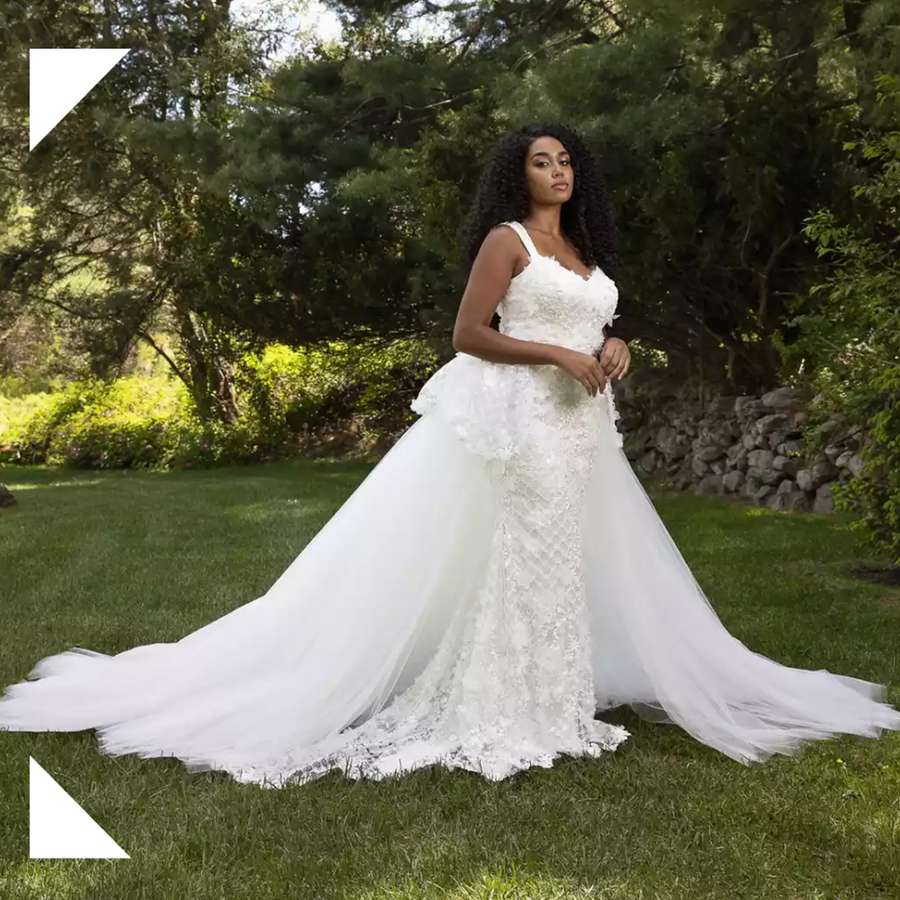
Gender-neutral wedding fashion is rapidly evolving, reflecting a broader societal shift towards inclusivity and individuality. This trend empowers couples to personalize their ceremonies and celebrations, expressing their unique identities and values without adhering to traditional gender roles. The aesthetic choices are increasingly diverse, challenging conventional norms and embracing a spectrum of styles.
Visual Representation of a Gender-Neutral Wedding Ceremony
This table Artikels a possible visualization of a gender-neutral wedding ceremony, showcasing the flexibility and creativity inherent in the style.
| Element | Description |
|---|---|
| Attire | Couples may choose matching or contrasting outfits. Examples include tailored suits in muted tones, flowing dresses, or comfortable separates. The focus is on comfort and personal expression, rather than adhering to prescribed gender roles. |
| Accessories | Accessories like jewelry, scarves, and hats are selected based on personal preference and the overall aesthetic. There is no pressure to adhere to traditional gendered accessory choices. |
| Color Palette | A color palette that reflects the couple’s personality and the overall theme of the ceremony is key. Muted tones like gray, navy, or beige can create a sophisticated and elegant feel, while brighter colors like coral or emerald green can add vibrancy. |
| Overall Aesthetic | The aesthetic should be cohesive, reflecting the couple’s shared vision. It can be minimalist, bohemian, or even formal, depending on the couple’s preference. The core principle is to create a space that feels comfortable and welcoming to everyone. |
Diverse Couples and Bridal Parties
A variety of couples and bridal parties can exemplify the beauty and inclusivity of gender-neutral wedding fashion.
- Couple 1: A couple wearing coordinating tailored suits in deep navy blue. The bride carries a delicate floral bouquet. The groom wears a matching bow tie, adding a touch of formality. This demonstrates a sophisticated, modern approach to gender-neutral attire, emphasizing the couple’s shared style and comfort.
- Couple 2: A couple in flowing, pastel-colored dresses, accessorized with delicate jewelry and wide-brimmed hats. This is an example of a bohemian-inspired aesthetic. The relaxed feel emphasizes the couple’s connection and creativity.
- Couple 3: A couple wearing comfortable separates, with the bride in a tailored pantsuit and the groom in a matching shirt and trousers. This style is modern and practical, highlighting the couple’s shared sense of style and comfort.
- Bridal Party: The bridal party could be a mix of individuals in coordinating outfits that reflect the couple’s aesthetic and style. The focus is on creating a group that feels unified in its expression of the couple’s values.
Symbolism and Meaning in Attire
The choices of attire in a gender-neutral wedding carry symbolic meaning, reflecting the couple’s values and personal preferences.
- Personal Expression: The ability to choose attire that expresses individuality and shared style is a key aspect of gender-neutral weddings.
- Shared Values: Matching or contrasting outfits can symbolize the couple’s commitment to equality and shared values.
- Comfort and Inclusivity: The focus on comfort and personal expression underscores the inclusivity of the wedding ceremony.
Visual Impact of Color Palettes and Patterns
Color palettes and patterns play a significant role in shaping the visual impact of a gender-neutral wedding.
- Muted Tones: Muted tones such as gray, navy, and beige create a sophisticated and timeless feel, which can emphasize the aesthetic cohesion of the event.
- Bright Colors: Bright colors like coral, emerald green, or deep red can add vibrancy and energy, reflecting the couple’s personality and enthusiasm.
- Patterns: Geometric patterns, floral prints, or abstract designs can add texture and visual interest, showcasing the couple’s creativity and unique tastes.
Addressing Practical Considerations
Embracing gender-neutral wedding fashion isn’t just about aesthetics; it’s about creating a truly inclusive celebration. This involves navigating practical considerations for both the couple and the vendors involved, ensuring a comfortable and equitable experience for all guests. From selecting attire to crafting a welcoming atmosphere, this section dives into the realities of incorporating gender-neutral elements into wedding planning.The key is to recognize gender-neutral choices as simply another option, not a radical departure.
By approaching the planning process with sensitivity and creativity, couples can effectively integrate these elements into their vision while maintaining a focus on their unique style and values.
Incorporating Gender-Neutral Elements into Wedding Planning
To seamlessly integrate gender-neutral elements, couples should start by consciously considering attire choices. Instead of assigning specific “bride” and “groom” roles, consider neutral, shared styles that everyone can feel comfortable in. This might involve coordinating colours and styles rather than adhering to traditional expectations. Think of outfits that transcend traditional gender roles, allowing for a more unified aesthetic.
Matching accessories like hats, scarves, or jewellery can reinforce this shared vision.Consider the ceremony and reception as a whole. The invitations and seating arrangements should reflect the gender-neutral spirit of the wedding. If possible, remove gendered titles or language from the invitations, replacing them with inclusive wording. For seating arrangements, avoid traditional gendered seating plans, instead focusing on creating a welcoming and flexible environment.
Challenges and Opportunities for Vendors
Vendors face a unique set of challenges when catering to gender-neutral weddings. Traditional wedding attire and services are often deeply entrenched in gendered norms. For example, some bridal shops might not readily stock a wide variety of gender-neutral attire. However, this also presents a significant opportunity for vendors to innovate and broaden their offerings.Bridal shops and rental companies can diversify their inventory to include more gender-neutral styles.
This means carrying a wider range of sizes, colours, and styles that aren’t strictly confined to traditional gender roles. Florists can offer more gender-neutral flower arrangements. This could be a bouquet that transcends traditional notions of what a bride or groom might wear. Photographers can focus on capturing the essence of the celebration, avoiding gendered poses or expressions.
This fosters a more inclusive experience for all attendees.
So, gender-neutral wedding fashion is really taking off, with couples embracing styles that go beyond traditional gender roles. It’s all about expressing individuality and finding outfits that truly reflect your personality. While this is happening, the global geopolitical climate remains tense, with concerns like Russia’s space nuclear weapon capabilities raising significant security questions. russia space nuclear weapon development undoubtedly has implications, and perhaps, in the long run, it will influence trends in everything from clothing to architecture.
Ultimately, though, gender-neutral wedding fashion continues to be a vibrant and empowering trend for couples seeking unique and personal expressions of their love.
Creating an Inclusive and Welcoming Environment
Creating an inclusive environment involves considering the needs of all guests. This means considering potential concerns about gender expression. To encourage comfort, consider providing clear information about the wedding’s inclusive nature, such as through the invitation or online presence.This might involve stating that the wedding welcomes guests to express themselves in their preferred way. This might also include allowing for guests to bring plus-one guests who might be of a different gender expression than the invited guests.
Having a designated area for guests to relax and mingle can encourage inclusivity and create a comfortable environment for all.
Gender-neutral wedding fashion is definitely trending, and it’s exciting to see how designers are pushing boundaries. The recent Saint Laurent Dior Paris Fashion Week shows offered a glimpse into the future of formal wear, with a focus on androgynous silhouettes and unique fabrics. This trend directly impacts how we think about gender-neutral wedding attire and creates new opportunities for couples to express their individuality.
Budget-Friendly Gender-Neutral Wedding Fashion, Gender neutral wedding fashion
Gender-neutral fashion doesn’t have to break the bank. Couples can find affordable options for attire by focusing on versatile pieces that can be styled in multiple ways. Thrift stores, secondhand shops, and online marketplaces can offer a variety of options that can be adapted and personalised. Sharing outfits or coordinating attire within the wedding party can also help manage costs.For example, a couple could source outfits for the wedding party from different stores but coordinate colours and styles.
A set of coordinated, neutral-coloured accessories can make a significant difference in creating a unified look. These approaches can help couples stay within their budget while embracing a gender-neutral aesthetic.
The Future of Gender-Neutral Wedding Fashion
The landscape of wedding fashion is experiencing a dynamic shift, with gender-neutral styles gaining significant traction. This trend reflects a broader societal evolution towards inclusivity and a desire for more personalized expressions of self. This movement isn’t just a passing fad; it’s a reflection of a fundamental change in how we approach personal celebrations and the freedom to choose clothing that aligns with individual identity.The future of gender-neutral wedding fashion promises further exploration of expressive aesthetics, blurring traditional boundaries, and ultimately, empowering individuals to create ceremonies that authentically represent their unique stories.
Future Trends and Developments
The increasing acceptance of gender-neutral fashion extends beyond weddings, influencing broader societal norms. This trend will continue to evolve, incorporating a wider range of designs and styles, moving beyond binary definitions of masculinity and femininity. We can expect to see more fluid and adaptable designs, such as tailored suits for brides and feminine gowns for grooms, blending traditional and modern elements to create unique looks.
The focus will be on comfort, individuality, and personal expression.
Societal Expectations
Societal expectations surrounding weddings are rapidly evolving. The traditional notion of a “bride” and “groom” is increasingly being challenged, replaced by a more inclusive and adaptable view of partnerships. This shift in expectations will likely foster more diverse wedding celebrations, reflecting the range of personal identities and preferences within modern relationships. This trend will be further strengthened by the increasing visibility of diverse couples in media and popular culture, influencing the design and reception of wedding fashion.
Gender-neutral wedding fashion is definitely a trend on the rise, with couples embracing unique styles that reflect their personalities. It’s interesting to see how this reflects broader societal shifts, as seen in the current political climate, like the upcoming Tom Suozzi New York congressional race. Tom Suozzi’s New York congressional race is a prime example of the evolving views on gender roles.
Ultimately, these choices reflect a desire for inclusivity and individuality in wedding ceremonies, a theme that continues to drive the evolving landscape of gender-neutral wedding fashion.
Impact of Technology and Design Innovation
Technology is poised to play a significant role in shaping the future of gender-neutral wedding fashion. 3D printing and personalized design tools will enable couples to customize garments to perfectly match their vision, fostering a more individualistic and less restrictive approach to wedding attire. Moreover, virtual try-on experiences through augmented reality will allow individuals to virtually experiment with different looks, potentially reducing concerns about fit and style before making a purchase.
So, I’ve been digging into gender-neutral wedding fashion lately, and it’s seriously cool. It’s all about breaking the mold and finding outfits that reflect individuality, which is super refreshing. Speaking of breaking molds, did you hear about Rick Pitino’s recent apology regarding comments about St. John’s recruiting? Rick Pitino apologizes comments st johns recruiting It’s a good reminder that even in the most formal settings, like a wedding, there’s room for self-expression.
And that translates perfectly into the world of gender-neutral wedding attire. It’s about finding a style that makes you feel awesome, no matter the gender stereotypes!
This technology will democratize access to bespoke design, making personalized, gender-neutral attire more attainable for a wider range of individuals.
Sustainability and Ethical Practices
Sustainability and ethical practices will become increasingly crucial in the development of gender-neutral wedding fashion. Consumers are demanding more environmentally responsible choices, and brands will need to adapt to these demands. The future will see a greater emphasis on recycled materials, locally sourced fabrics, and ethical manufacturing processes. A focus on durability and longevity will be key, moving beyond the “fast fashion” mentality of disposable clothing.
This focus on sustainability will not only benefit the environment but also create a more ethical and equitable industry.
Summary
In conclusion, gender-neutral wedding fashion represents a significant shift in the wedding industry, responding to evolving societal norms and embracing inclusivity. By offering diverse options and catering to a wider range of preferences, this trend empowers couples to create a celebration that authentically reflects their values. The future of gender-neutral weddings promises further innovation and adaptability, shaping a more welcoming and expressive approach to one of life’s most significant events.
Top FAQs
What are some common accessories for gender-neutral wedding attire?
Accessories like statement jewelry, unique belts, scarves, and even hats can add personalized touches to gender-neutral attire. The key is to choose pieces that complement the overall aesthetic without adhering to traditional gendered expectations.
How can I create an inclusive environment for all guests at a gender-neutral wedding?
Communicate openly about the wedding’s inclusive approach through invitations and online platforms. Encourage guests to embrace the spirit of the celebration and express themselves comfortably. Also, avoid gendered language in your wedding materials.
What are some examples of gender-neutral wedding attire for the bridal party?
Consider coordinating outfits in similar colors or styles, but allow for individual expression within the chosen aesthetic. Matching suits, tailored pantsuits, or even flowy dresses in neutral colors can create a cohesive and modern look for the bridal party.
What are the key trends in fabrics and silhouettes for gender-neutral wedding fashion?
Natural fabrics like linen, cotton, and silk are popular choices for their comfort and aesthetic appeal. Silhouettes often lean towards flowing lines and versatile cuts, focusing on comfortable and stylish looks rather than traditional silhouettes.