
Hidden in Plain Sight: How Adult Acne and Birth Control Led to the Early Detection of a Rare Uterine Cancer in Miami


The intersection of routine dermatology and oncology recently yielded an unexpected and life-saving discovery for a 37-year-old resident of Miami, Florida. What began as a conventional effort to clear persistent adult acne through the standard prescription of oral contraceptives ultimately unmasked a rare, highly aggressive form of cancer lurking silently within her reproductive system. The case of Claudia Pereira has since garnered attention from medical professionals across the United States, highlighting the unpredictable ways in which hormonal interventions can interact with undiagnosed malignancies and emphasizing the critical importance of patient advocacy in recognizing bodily anomalies.
The Genesis of a Routine Dermatological Treatment
At 37 years of age, Claudia Pereira found herself battling persistent adult acne—a common dermatological condition affecting millions of adults globally. Seeking a reliable and long-term solution to clear her skin, Pereira consulted a healthcare provider who prescribed a standard regimen of birth control pills. For many women, oral contraceptives are routinely prescribed not only for family planning but also to regulate androgen levels, thereby reducing sebum production and managing hormone-driven acne breakouts.
At the time of the prescription, Pereira had no reason to suspect any underlying systemic health issues. She was otherwise healthy, active, and leading a standard daily routine in Miami. However, within weeks of initiating the hormonal treatment, her body began exhibiting unusual symptoms that would eventually alter the course of her life.
Chronology of Symptoms and Misdiagnosis
The initial warning sign was persistent, abnormal uterine bleeding. Rather than subsiding after the first few weeks of starting the new medication—a common side effect often dismissed by clinicians as part of the body’s adjustment period—the bleeding continued unabated for months.
When Pereira raised her concerns with the medical professionals managing her prescription, she was initially reassured. She was told that her body simply needed time to adapt to the hormonal shifts induced by the birth control pills. Trusting this medical guidance, Pereira waited. Yet, four to five months passed with no alleviation of the symptoms, and the continuous blood loss began to take a severe physical toll.
"I was thinking, ‘Oke, apakah ini normal?’ Ini terlalu banyak. Saya jadi anemia setelah enam bulan," Pereira recounted to USA Today regarding her mounting anxiety over the physical degradation she was experiencing. By the six-month mark, the persistent bleeding had progressed into profound anemia, characterized by fatigue, weakness, and dizziness.
The turning point occurred when the nature of the discharge shifted dramatically, turning into a thick, abnormal fluid. Recognizing that her symptoms had escalated beyond the scope of normal side effects, Pereira bypassed routine appointments and rushed directly to a hospital emergency department.
Medical Imaging and the Discovery of a Rare Tumor
Upon her arrival at the emergency unit, medical staff initiated an intensive diagnostic protocol, including comprehensive blood panels and pelvic imaging. The scans revealed a startling finding: a distinct 7-centimeter mass nestled within her uterus.
Initially, both Pereira and her attending physicians held cautious optimism that the mass might be a benign tumor, such as a common uterine fibroid—leiomyomas are frequently discovered during routine pelvic evaluations and are generally non-cancerous. However, subsequent pathological examination of the biopsied tissue shattered those expectations.
The diagnosis returned as uterine leiomyosarcoma (uLMS), an exceptionally rare and aggressive form of soft tissue sarcoma that originates in the smooth muscle cells of the myometrium (the muscular wall of the uterus). Unlike typical benign fibroids, uLMS is characterized by rapid cellular proliferation and a high propensity for local recurrence and distant metastasis.
Understanding Uterine Leiomyosarcoma: Medical Context and Pathology
To contextualize the severity of Pereira’s diagnosis, medical literature provides stark data regarding the rarity and aggressiveness of the disease. According to research published in the Journal of the Advanced Practitioner in Oncology (Byar & Fredericks, 2022), leiomyosarcomas represent the most common type of soft tissue sarcoma, capable of manifesting in various anatomical locations throughout the human body.
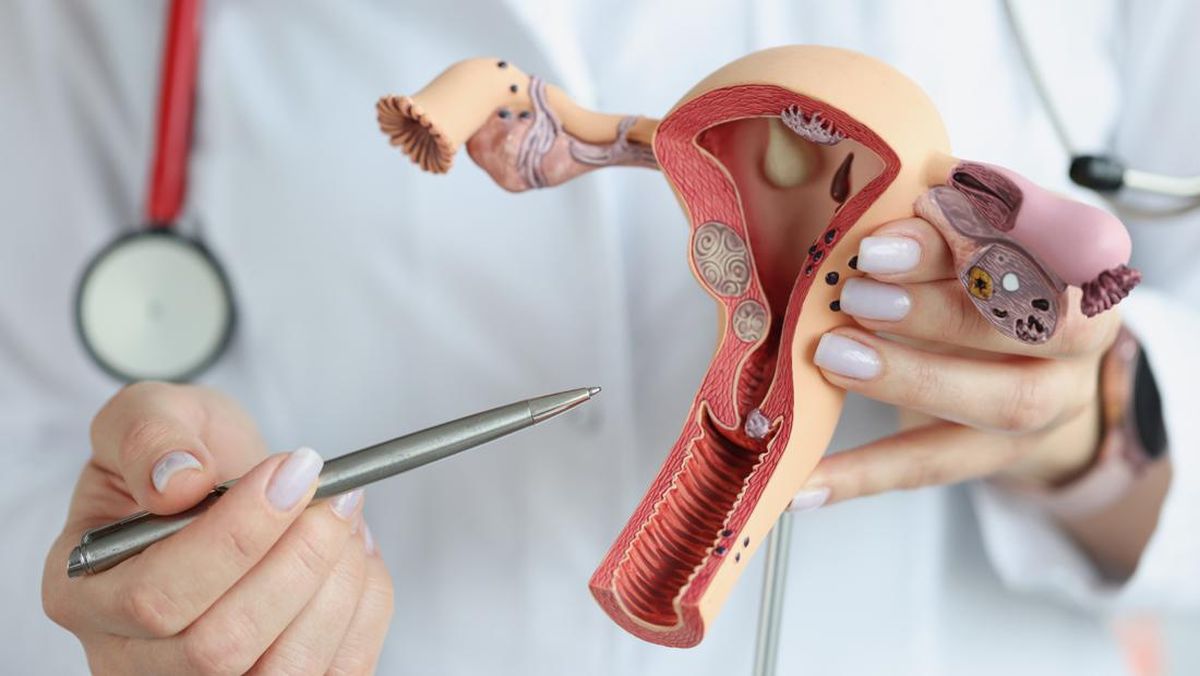
However, uterine leiomyosarcomas (uLMS) are distinctly uncommon, accounting for approximately 2 percent to 5 percent of all malignant uterine tumors. Medical oncologists classify uLMS as a particularly aggressive malignancy. It is notoriously difficult to treat due to its inherent resistance to standard chemotherapy and radiation regimens, making early detection the single most critical factor in determining patient survival.
Dr. Gina D’Amato, a prominent medical sarcoma oncologist at the Sylvester Comprehensive Cancer Center who undertook Pereira’s case, elaborated on the biological mechanisms at play. Dr. D’Amato noted that uterine leiomyosarcomas frequently express estrogen and progesterone receptors on their cellular surfaces. This biological characteristic means that the presence of these reproductive hormones can actively stimulate and accelerate the growth of the cancer cells.
In Pereira’s case, the introduction of exogenous hormones via the birth control pill acted as a catalyst. The estrogen already present in her natural menstrual cycles, combined with the supplemental hormones from the oral contraceptives, effectively "fed" the pre-existing, microscopic tumor, causing it to expand rapidly and manifest symptoms that could no longer be ignored.
The Paradox of the Pill: A Blessing in Disguise
While the addition of birth control hormones accelerated the tumor’s growth, medical experts suggest that this paradoxical reaction ultimately saved Pereira’s life.
Had the tumor remained dormant and asymptomatic, it could have continued to grow undetected for years, potentially metastasizing to the lungs, liver, or other vital organs before discovery. Because the hormonal intervention forced the tumor to grow rapidly and provoke severe, undeniable symptoms—such as prolonged bleeding and subsequent anemia—it was uncovered at a localized stage.
"Dalam kasusnya, dia tidak menggunakan [pil KB] dalam waktu yang lama. Menurut saya, dia sebenarnya beruntung, bisa dibilang, karena mungkin pil KB itu memungkinkan [kanker] tumbuh dan ditemukan," remarked Dr. D’Amato during a clinical review of the case.
Following the diagnosis, surgical intervention was swiftly scheduled to remove the 7-centimeter uterine mass. Subsequent comprehensive staging scans delivered encouraging news: there was no radiological evidence indicating that the malignancy had spread beyond the uterus to other parts of Pereira’s body.
Prognosis, Treatment Implications, and Broader Impact
Despite the favorable post-surgical imaging, Dr. D’Amato emphasized that Pereira had been walking a razor’s edge. Given the tumor’s initial size of 7 centimeters and the aggressive nature of sarcoma pathologies, the patient was initially categorized as being at high risk for recurrence and metastasis. Medical estimates indicated that had the mass remained undetected for another six months to a year, the clinical prognosis would have been drastically compromised.
The successful removal of the tumor, followed by vigilant oncological monitoring, allowed Pereira to transition from patient status back to survivorship. In July, marking a monumental personal milestone, she celebrated her one-year cancer-free anniversary. She commemorated the occasion with an international trip to Bali, accompanied by her family, who served as her primary emotional and physical support system throughout the grueling months of medical evaluation and recovery.
Pereira’s remarkable journey has since been shared widely to underscore broader public health implications regarding women’s health, bodily autonomy, and cancer awareness. Her narrative challenges the conventional dismissal of persistent menstrual irregularities and highlights the necessity for patients to advocate for themselves when standard treatments yield anomalous side effects.
"Jangan ragu. Dengarkan tubuhmu. Tubuhmu akan selalu memberitahumu jika ada sesuatu yang salah. Aku adalah buktinya," Pereira stated, reflecting on her ordeal. She maintains a unique perspective on the dermatological concerns that inadvertently initiated her diagnostic journey, expressing profound gratitude for the acne that prompted her to seek medical care in the first place.
"Siapa yang tahu berapa lama [kanker] itu ada. Jika aku tidak minum pil KB, aku tidak akan pernah tahu," she concluded, offering a poignant reminder of the intricate and often unpredictable ways modern medicine intersects with human longevity.