Astra Honda Motor Addresses Social Media Complaints Regarding Alleged Leaks on New Vario 160 Engine


Jakarta, Indonesia – July 17, 2024 – Astra Honda Motor (AHM) has issued a statement acknowledging and vowing to investigate customer complaints circulating on social media concerning alleged oil leaks from the engine of its newly launched Honda Vario 160 scooter. The reports emerged shortly after the model’s official market release, raising concerns among early adopters and the wider two-wheeler enthusiast community.
Thomas Wijaya, Executive Vice President Director of AHM, confirmed that the company is prepared to address any issues reported by consumers through its extensive network of official Honda workshops, known as AHASS (Astra Honda Authorized Service Stations). "So, if there are any inputs or needs from consumers, please come to our network, to AHASS," Wijaya stated during an interview in Jakarta on Friday.
While acknowledging the reports, Wijaya refrained from offering immediate explanations for the alleged leaks, emphasizing that AHM’s priority is to thoroughly inspect each reported unit. "We will first assess the condition of every unit that is reported to us," he explained. This measured approach underscores the company’s commitment to a systematic and evidence-based resolution process.
Wijaya further underscored Honda’s long-standing dedication to product quality. "We have produced products with good quality, which have naturally passed various tests. Now, we will certainly look at the specific conditions," he added. This statement implicitly highlights the rigorous quality control measures that Honda typically implements in its manufacturing processes, suggesting that any reported issues may be isolated incidents rather than systemic defects.
Timeline of the Issue
The concerns began to surface online when a social media post, initially on TikTok, showcased what appeared to be an oil leak from the engine area of a Honda Vario 160. The original poster claimed the issue manifested just one day after taking delivery of the new scooter. Although the original post was later deleted by the user, screenshots and reposts of the content continued to circulate on various social media platforms, fueling discussion and attracting wider attention.
The rapid dissemination of such concerns through social media platforms, particularly in an era of instant connectivity and user-generated content, presents a significant challenge for manufacturers. While these platforms can facilitate direct feedback and rapid awareness, they can also amplify isolated incidents, sometimes before a full understanding of the situation is established. The swift deletion of the original post, followed by its reappearance through other accounts, adds another layer to the narrative, hinting at the complex dynamics of online information sharing.
Honda Vario 160: A Closer Look at the Model
The Honda Vario 160, a model positioned as a premium scooter in the Indonesian market, boasts several advanced features. It is equipped with a 156.9 cc, four-valve, eSP+ engine with liquid cooling. This engine configuration is designed to deliver optimal performance and fuel efficiency. The maximum power output remains at 15.19 hp, with the peak torque achieved at 8,500 rpm, indicating a focus on responsive acceleration and consistent power delivery across a range of speeds.
Beyond its powertrain, the Vario 160 features updated styling and enhanced technological features, aimed at appealing to a discerning customer base. AHM currently offers the Vario 160 in three distinct variants: the CBS (Combi Brake System) priced at Rp 28.2 million, the CBS Nitro at Rp 28.7 million, and the top-tier ABS (Anti-lock Braking System) variant at Rp 31.4 million. These price points place the Vario 160 in the mid-to-high segment of the Indonesian scooter market, where consumer expectations for quality and reliability are particularly high.
The demand for this new model, according to Wijaya, has been "quite good," suggesting that despite the emerging concerns, the Vario 160 is resonating well with the Indonesian public. This positive market reception highlights the importance of AHM’s swift and transparent response to the reported issues, aiming to maintain consumer confidence and protect the brand’s reputation.
Industry Context and Consumer Expectations
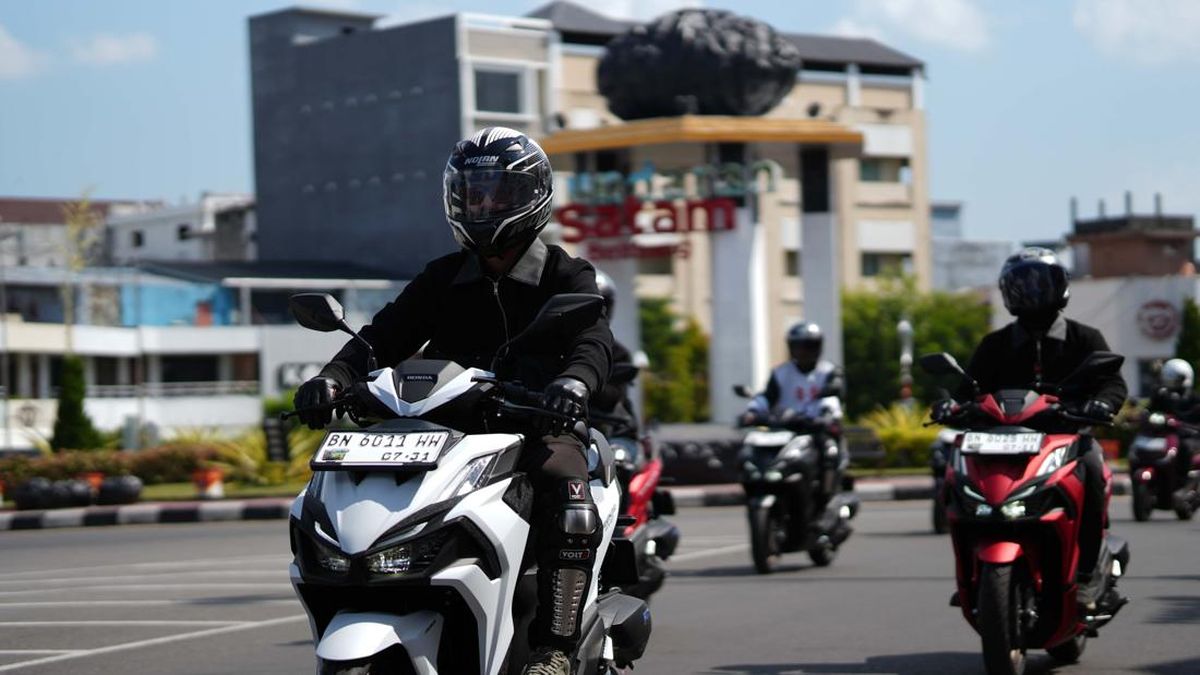
The Indonesian motorcycle market is one of the largest in the world, with scooters forming a significant portion of sales. Brands like Honda have built a strong legacy based on reliability, durability, and widespread service networks. For consumers investing in a new model, especially one with a higher price point like the Vario 160, expectations for a flawless ownership experience are naturally elevated.
Emerging issues, even if minor or isolated, can quickly gain traction online and potentially influence purchasing decisions for future buyers. This underscores the critical role of robust post-sales support and proactive communication from manufacturers. AHM’s strategy of directing consumers to its official service network is a standard and effective approach to diagnosing and rectifying technical problems. However, the public nature of the initial complaint on social media necessitates a public acknowledgment and a clear outline of the steps being taken.
Potential Implications and Broader Impact
The alleged engine leaks, while currently unconfirmed in their cause and prevalence, carry several potential implications for Astra Honda Motor:
- Consumer Trust and Brand Reputation: In a competitive market, consumer trust is paramount. A swift and effective resolution to these complaints is crucial for maintaining the strong reputation Honda enjoys in Indonesia. Negative publicity, amplified by social media, can erode this trust if not managed proactively.
- Sales and Market Share: While demand for the Vario 160 is reportedly strong, widespread negative sentiment could potentially impact future sales figures. Potential buyers may opt for competing models if they perceive a risk associated with the new Vario 160.
- After-Sales Service Load: If the issue proves to be more widespread than initially assumed, AHM’s AHASS network could face an increased workload. The efficiency and effectiveness of their service centers in handling these complaints will be a key factor in customer satisfaction.
- Product Development and Quality Control: Investigations into the alleged leaks could provide valuable feedback for AHM’s product development and quality control processes. Identifying the root cause, whether it be a manufacturing defect, a design flaw, or an installation issue, will be critical for preventing recurrence.
AHM’s Response Strategy
AHM’s stated strategy of inviting consumers to official service centers is a standard and prudent approach. This allows trained technicians to physically inspect the vehicles, perform diagnostic tests, and identify the exact nature of any problem. This empirical approach is essential before drawing definitive conclusions or implementing widespread solutions.
The company’s emphasis on quality and pre-launch testing, as articulated by Wijaya, suggests a confidence in the Vario 160’s overall engineering. However, it also acknowledges that in mass production, occasional anomalies can occur. The key differentiator for a reputable manufacturer lies in how effectively and transparently these anomalies are addressed.
Looking Ahead
As AHM proceeds with its investigation, the Indonesian automotive community will be watching closely. The company’s ability to provide timely updates, transparently communicate findings, and offer satisfactory resolutions will be critical in navigating this challenge. The Vario 160 represents a significant investment by Honda in the Indonesian market, and its successful integration hinges on addressing customer concerns with diligence and care. The coming weeks and months will likely reveal the extent of the issue and the effectiveness of AHM’s response in reinforcing its commitment to its customers.
The long-term success of the Honda Vario 160, and indeed any new product launch, is not solely dependent on its initial features and marketing, but also on the manufacturer’s ability to stand behind its products and provide reliable support throughout the ownership lifecycle. Astra Honda Motor’s commitment to addressing these social media complaints signals their understanding of this crucial aspect of customer relations.