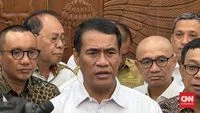
Prabowo Appoints New Leadership for National Nutrition Agency to Oversee Free Nutritious Meal Program


The National Nutrition Agency (BGN) announced a significant restructuring of its leadership on Tuesday, July 21st, with the appointment of five new senior officials tasked with enhancing the implementation of the government’s flagship Free Nutritious Meal Program (MBG). President Prabowo Subianto directly appointed these Echelon I officials, signaling a strategic move to bolster the program’s effectiveness and reach.
A New Era for the Free Nutritious Meal Program
The reshuffle, formalized through a Presidential Decree signed by President Prabowo, aims to inject fresh expertise and drive into the critical MBG initiative. The program, a cornerstone of the current administration’s social welfare agenda, seeks to address malnutrition and improve the health and educational outcomes of Indonesian children, particularly those from vulnerable communities. The appointment of these high-ranking officials underscores the government’s commitment to ensuring the program’s successful execution and sustainability.
Agustina Arumsari, Deputy Head of the BGN, explained the rationale behind the direct presidential appointments during a press conference at the agency’s headquarters. "In accordance with Article 59 of Presidential Regulation 83 (Year 2024) concerning the BGN, senior high-ranking officials can be appointed directly by the President. Yesterday afternoon, we received the Presidential Decree signed by Mr. President, appointing these individuals as senior high-ranking officials within the BGN," Arumsari stated. This regulatory framework allows for swift and decisive leadership changes when deemed necessary for national programs of such magnitude.
The inauguration of the five new officials took place this afternoon at the BGN office, marking the formal commencement of their tenures. Each appointee brings a distinct set of experiences and qualifications, poised to contribute to different facets of the MBG program.
Key Leadership Appointments and Their Backgrounds
The newly appointed officials and their respective roles are as follows:
-
Dr. Prima Yosephine Berliana Tumiur Hutapea, M.K.M., has been appointed as the Deputy for Systems and Governance. She succeeds Tigor Pangaribuan. Prior to this appointment, Dr. Hutapea served as the Director of Communicable Diseases at the Ministry of Health, a role that provided her with deep insights into public health challenges and programmatic implementation at a national level. Her expertise in disease prevention and control is expected to be invaluable in establishing robust systems and governance structures for the MBG program, ensuring efficiency, transparency, and accountability.
-
Zainuri, Ak., assumes the position of Deputy for Procurement and Distribution, replacing Suardi Samiran. Zainuri’s previous role as Head of the Finance Bureau at the Financial Development Supervisory Agency (BPKP) equips him with extensive experience in financial management and oversight. This background is crucial for ensuring the efficient and transparent procurement of nutritional resources and their effective distribution to target beneficiaries across the archipelago. His understanding of financial controls will be vital in preventing waste and corruption, thereby maximizing the program’s impact.
-
Dr. Mariman Darto, S.E., M.Si., has been appointed as the Deputy for Promotion and Cooperation. He was previously a Special Advisor for Talent Management. Dr. Darto’s appointment suggests a strategic focus on building strong partnerships and effectively communicating the program’s benefits and objectives. His experience in talent management may translate into fostering collaborative relationships with stakeholders, including local governments, community organizations, and the private sector, to amplify the program’s reach and impact. Effective promotion and robust cooperation are essential for garnering public support and ensuring the program’s long-term success.
-
Dr. Ketut Sumedana, S.H., M.H., steps into the role of Deputy for Monitoring and Supervision, succeeding Dadang Hendrayudha. Dr. Sumedana’s most recent position as the Head Prosecutor of South Sumatra provides him with a strong legal and investigative background. This appointment underscores the government’s emphasis on rigorous oversight and accountability within the MBG program. His experience in law enforcement and prosecution will be instrumental in establishing robust monitoring mechanisms, identifying potential irregularities, and ensuring compliance with program regulations, thereby safeguarding public funds and program integrity.
-
Dr. Lili Khamiliyah, S.E., M.Si., has been appointed as the Principal Secretary, replacing Sarwono. Previously, Dr. Khamiliyah served as the Head of the General and Finance Bureau at the BGN. Her internal experience within the agency provides her with an intimate understanding of its operations and administrative processes. As Principal Secretary, she will play a crucial role in coordinating internal affairs, managing administrative functions, and ensuring the smooth operation of the agency, thereby supporting the work of the BGN head and deputies.
These five newly appointed officials will work alongside the Head of BGN, Nanik Sudaryati Deyang, and her two deputies, Agustina Arumsari and Trenggono, to collectively steer the National Nutrition Agency and, by extension, the Free Nutritious Meal Program.
Background and Context: The National Nutrition Agency and the MBG Program
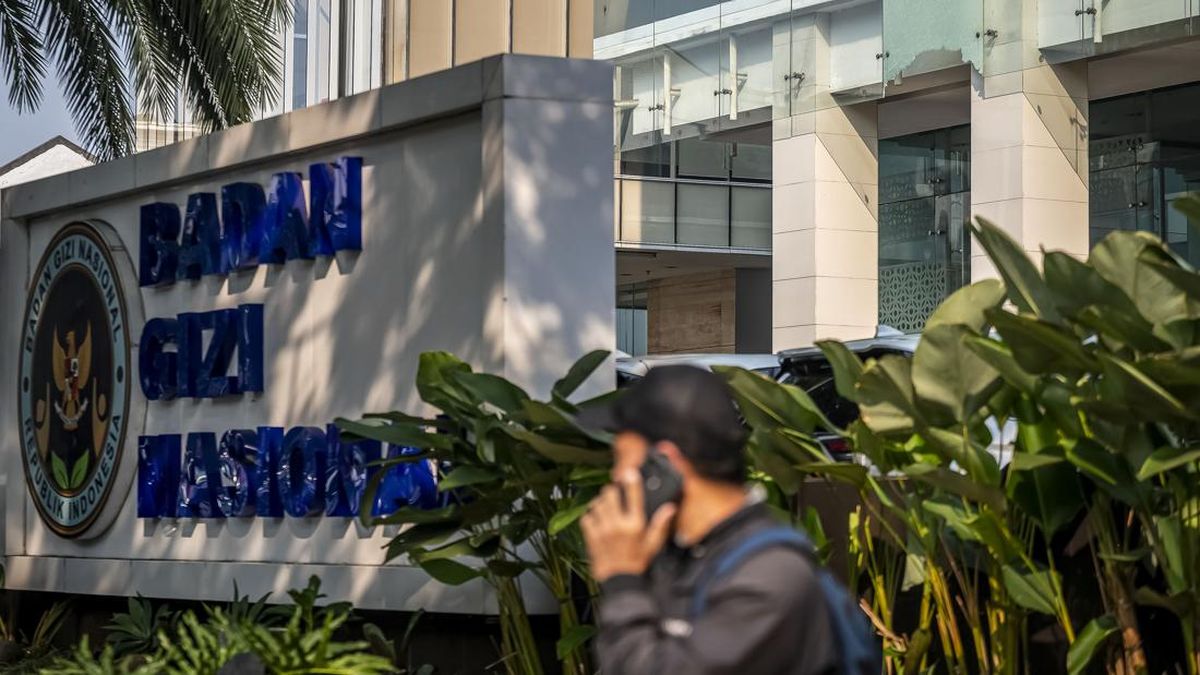
The establishment of the National Nutrition Agency (BGN) itself is a relatively recent development, stemming from Presidential Regulation No. 83 of 2024. This regulation outlines the agency’s mandate to serve as the primary governmental body responsible for improving national nutrition levels through various programs and policies. The Free Nutritious Meal Program (MBG) is one of its most prominent initiatives.
The MBG program was conceived as a direct response to persistent challenges related to child malnutrition and stunting in Indonesia. Despite significant economic growth, a substantial portion of the population, particularly children, continued to suffer from inadequate nutrition, impacting their physical development, cognitive abilities, and overall well-being. Stunting, in particular, has been identified as a major developmental hurdle, with long-term consequences for individuals and the nation’s human capital.
The program’s core objective is to provide free, nutritious meals to targeted groups, primarily school-aged children, pregnant and lactating mothers, and toddlers. This includes ensuring the availability of nutrient-rich food, promoting healthy eating habits, and integrating nutritional education into broader health and education initiatives. The government allocates substantial funds to procure food supplies, develop nutritional guidelines, and establish distribution networks.
Timeline of Key Developments
- Early 2024: Presidential Regulation No. 83 is enacted, formally establishing the National Nutrition Agency (BGN) and outlining its broad responsibilities.
- Mid-2024: The Free Nutritious Meal Program (MBG) is identified as a key priority under the new administration, with a mandate for significant expansion and improvement.
- July 21, 2024 (Tuesday): The BGN announces the restructuring of its leadership, indicating a move to strengthen the management of the MBG program.
- July 21, 2024 (Afternoon): President Prabowo Subianto signs the Presidential Decree appointing five new senior officials to the BGN.
- July 21, 2024 (Later Afternoon): The inauguration ceremony for the five new Echelon I officials takes place at the BGN office.
Supporting Data and Programmatic Goals
While specific quantitative data on the MBG program’s current reach and impact were not detailed in the announcement, Indonesia has historically faced significant nutritional challenges. According to the World Health Organization (WHO), in 2022, an estimated 21.4% of Indonesian children under five years were stunted. Furthermore, micronutrient deficiencies, such as iron and vitamin A deficiencies, remain prevalent in certain segments of the population.
The MBG program aims to directly combat these issues by:
- Reducing Malnutrition Rates: Providing consistent access to nutritious meals is expected to decrease the incidence of underweight and wasted children.
- Improving Cognitive Development: Adequate nutrition, especially during the crucial early years, is directly linked to improved brain development, leading to better learning outcomes and academic performance.
- Lowering Stunting Incidence: By ensuring consistent access to essential nutrients, the program seeks to mitigate the long-term physical and cognitive consequences of stunting.
- Enhancing Public Health: Improved nutritional status contributes to a stronger immune system, reducing susceptibility to common illnesses and lowering overall healthcare burdens.
- Promoting Food Security: The program contributes to household food security by supplementing the nutritional intake of vulnerable families.
The success of the MBG program is intrinsically linked to the effective management and oversight provided by the BGN. The appointment of experienced leaders in key functional areas is a critical step towards achieving these ambitious goals.
Analysis of Implications
The presidential appointment of these senior officials signifies a high level of presidential attention and strategic importance placed on the MBG program. The move suggests a proactive approach to address any perceived inefficiencies or shortcomings in the program’s current implementation.
The diverse backgrounds of the newly appointed deputies—ranging from public health and finance to legal oversight and inter-agency cooperation—indicate a holistic strategy for program management. The emphasis on "Systems and Governance," "Procurement and Distribution," and "Monitoring and Supervision" points towards a concerted effort to ensure operational excellence, fiscal responsibility, and accountability.
Furthermore, the appointment of officials with strong backgrounds in areas like disease control and legal enforcement suggests a commitment to evidence-based decision-making and robust compliance mechanisms. This could lead to more streamlined processes, better resource allocation, and a reduced risk of program mismanagement.
The inclusion of a Deputy for "Promotion and Cooperation" highlights the recognition that program success also hinges on effective public engagement and collaboration with various stakeholders. This could translate into increased awareness campaigns, stronger partnerships with local communities, and a more integrated approach to nutrition policy.
While the immediate impact of these appointments will depend on the new leadership’s ability to translate their expertise into actionable strategies, the move signals a clear intent to elevate the MBG program to a new level of effectiveness. It is a strategic investment in the nation’s future by focusing on the foundational aspect of human development: nutrition. The coming months will be crucial in observing how these new leaders implement their mandates and contribute to the tangible improvement of nutritional outcomes for millions of Indonesians.
Related posts: