The Growing Threat of GERD: Understanding Causes, Symptoms, and Prevention in a Modern Lifestyle

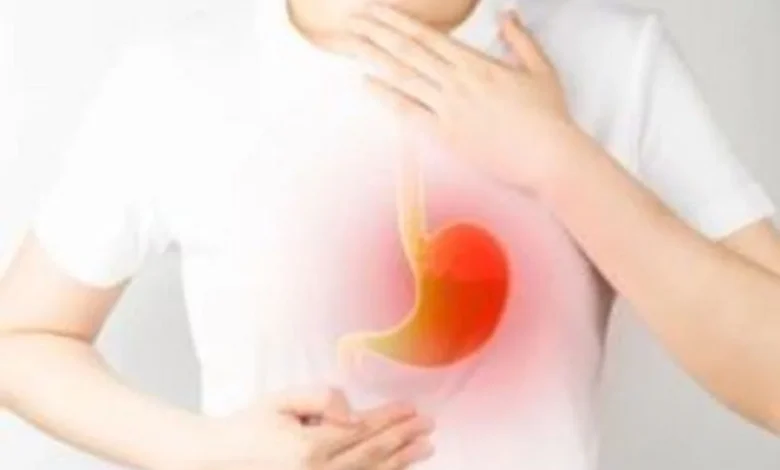
Daily dietary habits and lifestyle choices are fundamental pillars of a healthy digestive system. When these are neglected, the body becomes more susceptible to digestive disorders, with Gastroesophageal Reflux Disease (GERD) emerging as a prevalent concern. This chronic condition, characterized by the frequent backward flow of stomach acid into the esophagus, is increasingly affecting individuals across various age groups, prompting a closer examination of its causes, manifestations, and effective prevention strategies.
Understanding GERD: A Chronic Digestive Disorder
Gastroesophageal reflux disease (GERD) is a chronic digestive disorder that occurs when stomach acid or other stomach contents repeatedly flow back into the esophagus, the tube connecting the throat and stomach. This regurgitation often leads to a burning sensation in the chest, commonly known as heartburn. While occasional reflux is a normal physiological occurrence, frequent and persistent episodes can signify GERD. This recurrent exposure to stomach acid can damage the esophageal lining over time, leading to more serious complications.
GERD is typically diagnosed when reflux symptoms occur at least twice a week or when they significantly interfere with daily activities. The insidious nature of GERD lies in its ability to mimic other digestive ailments like gastritis or stomach ulcers, making it challenging to identify at first glance. However, a hallmark symptom that distinguishes GERD from other conditions is the presence of an acidic or bitter taste in the mouth, a direct consequence of stomach contents reaching the upper digestive tract.
Unpacking the Symptoms of GERD
The manifestation of GERD symptoms can vary significantly from one individual to another. Nevertheless, a core set of primary symptoms are commonly reported by a majority of sufferers. These include, but are not limited to:
- Heartburn: The most recognized symptom, characterized by a burning sensation that typically rises from the upper abdomen to the chest and sometimes the throat. It often worsens after eating, when lying down, or bending over.
- Regurgitation: The sensation of stomach contents flowing back into the throat or mouth, often tasting sour or bitter.
- Difficulty Swallowing (Dysphagia): A feeling of food getting stuck in the throat or chest, which can be a sign of esophageal inflammation or narrowing due to chronic acid exposure.
- Chest Pain: Often mistaken for cardiac pain, this can be a significant symptom of GERD. It is crucial for individuals experiencing chest pain to seek immediate medical attention to rule out heart-related issues.
- Sore Throat and Hoarseness: Chronic acid exposure can irritate the throat and vocal cords, leading to persistent soreness and a raspy voice.
- Chronic Cough: Particularly noticeable at night or when lying down, a cough associated with GERD is often a result of acid irritating the airways.
- Asthma-like Symptoms: In some cases, GERD can trigger or worsen asthma symptoms due to acid reflux irritating the airways and lungs.
- Dental Erosion: Frequent exposure to stomach acid can erode tooth enamel, leading to increased sensitivity and a higher risk of cavities.
- Nausea: A general feeling of sickness in the stomach.
The Underlying Mechanisms: When the Lower Esophageal Sphincter Fails
At its core, GERD arises from a malfunction of the lower esophageal sphincter (LES), a muscular valve situated at the junction of the esophagus and the stomach. The LES is designed to open to allow food and liquids to pass into the stomach and then tightly close to prevent stomach contents from flowing back up into the esophagus. In individuals with GERD, this sphincter often relaxes inappropriately or does not close tightly enough, allowing stomach acid and partially digested food to reflux into the esophagus.
Several factors can contribute to this diminished LES function and the subsequent development of GERD:
- Weakened LES Muscle Tone: Over time, or due to certain conditions, the LES muscle can lose its ability to maintain a tight seal.
- Increased Abdominal Pressure: Conditions that increase pressure within the abdomen, such as obesity, pregnancy, or persistent straining, can force stomach contents upward against a weakened LES.
- Hiatal Hernia: A condition where a portion of the stomach bulges up through the diaphragm into the chest cavity. This can disrupt the normal functioning of the LES.
- Delayed Stomach Emptying: When the stomach empties its contents too slowly, it increases the likelihood of reflux. This can be influenced by diet and certain medical conditions.
- Certain Foods and Drinks: Specific dietary items can relax the LES or increase stomach acid production. Common culprits include fatty foods, spicy foods, chocolate, peppermint, caffeine, alcohol, and carbonated beverages.
- Medications: Certain medications, such as calcium channel blockers, nitrates, and some sedatives, can relax the LES.
- Smoking: Nicotine has been shown to weaken the LES and increase stomach acid production.
The Shifting Demographic: Young People Increasingly Affected
Historically, GERD was often perceived as a condition predominantly affecting older adults. However, recent data suggests a concerning trend: younger populations are increasingly being diagnosed with GERD. A 2021 study by the World Health Organization (WHO) indicated that approximately 10% to 15% of adolescents experience GERD, with individuals aged 15 to 27 identified as being at the highest risk.
This demographic shift is largely attributed to evolving lifestyle patterns among young people. The widespread consumption of fast food, beverages high in caffeine, and the prevalent habit of late-night studying or socializing (leading to irregular sleep patterns and eating habits) are significant contributors. These habits, often adopted without conscious awareness of their impact, gradually disrupt and damage the delicate rhythm and functionality of their digestive systems. The convenience and accessibility of processed foods, coupled with social pressures and academic demands, create an environment where poor dietary and lifestyle choices become normalized, paving the way for the onset of chronic digestive issues like GERD at an earlier age.
Proactive Prevention: Cultivating Healthier Habits for a GERD-Free Future
The cornerstone of preventing the onset and recurrence of GERD lies in adopting a healthier and more mindful lifestyle. This involves a multi-faceted approach encompassing dietary adjustments, behavioral changes, and, when necessary, medical guidance.
Dietary Modifications for Digestive Well-being
- Regular and Timely Meals: Establishing a consistent eating schedule is crucial. Avoid skipping meals, as this can lead to overeating later in the day, which can exacerbate reflux.
- Mindful Eating: Eat slowly and chew food thoroughly. This aids digestion and reduces the amount of air swallowed, which can contribute to bloating and reflux.
- Portion Control: Opt for smaller, more frequent meals rather than large, heavy ones. This reduces the burden on the stomach and minimizes the risk of overfilling.
- Strategic Meal Timing: Aim to finish eating at least two to three hours before bedtime. This allows adequate time for digestion and reduces the likelihood of reflux during sleep.
- Identifying and Avoiding Triggers: Pay close attention to foods and beverages that seem to provoke your symptoms. Common triggers to consider reducing or eliminating include:
- Fatty and fried foods
- Spicy foods
- Chocolate
- Peppermint and spearmint
- Tomatoes and tomato-based products
- Citrus fruits and juices
- Onions and garlic
- Caffeinated beverages (coffee, tea, soda)
- Alcoholic beverages
- Carbonated drinks
Lifestyle Adjustments for Optimal Digestive Health
- Smoking Cessation: Quitting smoking is paramount. Nicotine significantly weakens the LES and increases stomach acid production, directly contributing to GERD. The benefits of quitting extend beyond digestive health, positively impacting overall well-being.
- Weight Management: Maintaining a healthy weight is critical, particularly for individuals who are overweight or obese. Excess abdominal fat can put pressure on the stomach, increasing the risk of reflux.
- Elevating the Head of the Bed: For individuals who experience nighttime GERD symptoms, raising the head of the bed by six to eight inches can help gravity keep stomach acid down. This can be achieved using blocks under the bedposts or a wedge pillow.
- Loose-Fitting Clothing: Avoid tight-fitting clothing, especially around the waist, as it can increase abdominal pressure and contribute to reflux.
- Stress Management: Chronic stress can negatively impact digestion. Implementing stress-reducing techniques such as meditation, yoga, or deep breathing exercises can be beneficial.
Medical Intervention and Management
When lifestyle modifications alone are insufficient, medical intervention becomes necessary. A healthcare professional can provide an accurate diagnosis and recommend appropriate treatment strategies.
-
Medications: Over-the-counter and prescription medications play a crucial role in managing GERD. These often include:
- Antacids: Provide quick, temporary relief by neutralizing stomach acid.
- H2 Blockers (Histamine-2 Receptor Blockers): Reduce the amount of acid produced by the stomach. Examples include ranitidine (though recently withdrawn from many markets due to safety concerns) and famotidine.
- Proton Pump Inhibitors (PPIs): Significantly reduce stomach acid production. Examples include omeprazole, lansoprazole, and esomeprazole. PPIs are generally considered the most effective medication for long-term GERD management.
- Prokinetics: Medications that help speed up stomach emptying, though these are less commonly used due to potential side effects.
-
Endoscopic Procedures: In severe cases, or when complications arise, endoscopic procedures might be considered to assess the extent of damage to the esophagus or to perform minimally invasive treatments.
-
Surgery: Surgical options, such as fundoplication, are typically reserved for individuals who do not respond to medication or have severe complications. This procedure involves wrapping the top part of the stomach around the LES to strengthen it.
Broader Implications and the Path Forward
The increasing prevalence of GERD, particularly among younger demographics, highlights a critical public health concern. It underscores the urgent need for greater awareness regarding the long-term consequences of poor dietary habits and sedentary lifestyles. Educational initiatives in schools and communities, promoting healthy eating and regular physical activity, are essential to curb this rising tide.
Furthermore, the economic burden of GERD, encompassing healthcare costs for diagnosis and treatment, as well as lost productivity due to chronic illness, is substantial. Investing in preventive strategies and early intervention can yield significant long-term savings. The interconnectedness of diet, lifestyle, and chronic disease necessitates a holistic approach to public health policy and individual well-being. As research continues to illuminate the intricate mechanisms of GERD and its evolving impact, a concerted effort from healthcare providers, policymakers, and individuals alike is crucial to mitigate its growing threat and foster a healthier future for digestive well-being.
This article was compiled from information provided by ANTARA News, with additional context and analysis to meet the specified length and depth requirements. The information provided is for general knowledge and informational purposes only, and does not constitute medical advice. It is essential to consult with a qualified healthcare professional for any health concerns or before making any decisions related to your health or treatment.