
Irish Boiled Dinner Corned Beef
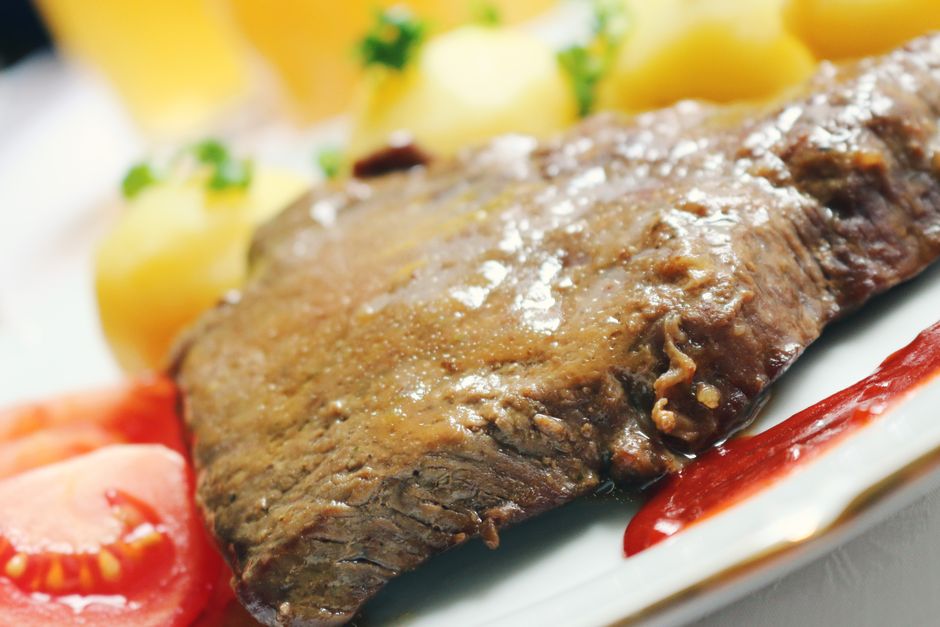
Irish Boiled Dinner: The Ultimate Corned Beef and Cabbage Guide
The cornerstone of many a St. Patrick’s Day celebration, and a hearty winter staple, Irish boiled dinner, often synonymous with corned beef and cabbage, is a deceptively simple yet profoundly satisfying dish. Its appeal lies in its comforting warmth, the tender succulence of slow-cooked corned beef, and the earthy sweetness of boiled vegetables. This guide will delve into every aspect of crafting the perfect Irish boiled dinner, from selecting the best corned beef to achieving optimal vegetable tenderness and exploring its rich culinary heritage. Understanding the nuances of this traditional meal unlocks a deeper appreciation for its place in Irish-American cuisine and elevates it from a holiday novelty to an everyday delight.
The heart of any Irish boiled dinner is, unequivocally, the corned beef. The term "corned" refers not to the grain but to the large kernels of salt used in the curing process. Traditionally, corned beef is a cut of beef brisket, either the flat-cut or the point-cut, brined in a mixture of salt, sugar, and spices. For an Irish boiled dinner, the flat-cut is generally preferred due to its leaner texture and more uniform thickness, which cooks evenly. The point-cut, while richer and more flavorful due to its higher fat content, can sometimes be more challenging to render tender without becoming greasy. When purchasing corned beef, look for a bright red color, indicating freshness, and avoid excessive marbling if a leaner outcome is desired. Many grocery stores offer pre-brined corned beef, often vacuum-sealed with a spice packet. While convenient, these can sometimes be high in sodium. For those seeking more control over the flavor profile and sodium levels, a homemade brine is a rewarding undertaking. A basic brine typically involves water, kosher salt (which is less likely to absorb moisture and affect texture compared to table salt), brown sugar, and a selection of pickling spices. Common spices include peppercorns, coriander seeds, mustard seeds, bay leaves, and allspice berries. The curing time can range from several days to a couple of weeks, depending on the desired saltiness and the size of the cut.
The cooking method for corned beef is crucial for achieving its signature tenderness. The traditional approach involves simmering or boiling, a low-and-slow technique that breaks down the connective tissues in the brisket, transforming a potentially tough cut into melt-in-your-mouth perfection. When boiling, it’s imperative to start with cold water. This allows the salt and spices to penetrate the meat gradually and evenly, preventing the exterior from becoming tough while the interior remains undercooked. The water should cover the corned beef by at least an inch. Once brought to a boil, the heat is reduced to a gentle simmer, and the meat is allowed to cook for approximately 45 minutes to an hour per pound. Skimming off any foam or impurities that rise to the surface during the initial stages of cooking is a good practice for a cleaner broth and a more appealing final product. While some recipes advocate for adding vegetables directly to the simmering pot, this can sometimes lead to overcooked vegetables. A more controlled approach involves cooking the corned beef first and then introducing the vegetables into the flavorful cooking liquid. This ensures the meat reaches optimal tenderness before the vegetables are added, preventing them from becoming mushy.
The selection and preparation of vegetables are as integral to an Irish boiled dinner as the corned beef itself. The classic trio comprises cabbage, potatoes, and carrots. Cabbage, when properly cooked, offers a subtle sweetness and a satisfying, slightly yielding texture. The most common preparation involves quartering or thickly slicing a head of green cabbage and adding it to the simmering corned beef liquid during the last 20-30 minutes of cooking. Overcooking cabbage can result in a sulfurous odor and an unpleasant, mushy consistency, so vigilance is key. Irish potatoes, typically small to medium-sized, waxy varieties like Yukon Gold or red potatoes, are ideal. They hold their shape well and absorb the savory broth beautifully. Scrubbing them clean and adding them whole or halved to the pot alongside the cabbage ensures they cook through and become tender. Carrots, peeled and cut into substantial chunks or thick rounds, add a vibrant color and a natural sweetness that complements the other ingredients. They typically require about the same cooking time as the potatoes. Beyond these core vegetables, variations include parsnips, turnips, and even leeks, all of which contribute their unique earthy notes to the dish. Some adventurous cooks might also incorporate a few sprigs of fresh parsley or thyme into the simmering liquid for an added layer of herbaceous aroma.
The broth itself is a flavor powerhouse, imbued with the essence of the corned beef and the released juices of the vegetables. It serves as a natural gravy and a delightful liquid to spoon over the finished components. After the corned beef and vegetables have finished cooking, the meat should be removed from the pot and allowed to rest for about 10-15 minutes before slicing. This resting period is critical for allowing the juices to redistribute throughout the meat, resulting in a more tender and moist final product. While it rests, the vegetables can be served directly from the pot or drained slightly. The broth can be strained to remove any solids and can be served alongside the meal for those who enjoy a bit more liquid. Some cooks choose to thicken the broth slightly by making a slurry of cornstarch and water, creating a more gravy-like consistency.
The history of Irish boiled dinner is deeply intertwined with the Irish diaspora, particularly in America. While the concept of boiling meat and vegetables is ancient and found in many cultures, the specific iteration of corned beef and cabbage gained prominence in the late 19th and early 20th centuries. Irish immigrants, often from impoverished backgrounds, found corned beef to be an affordable and readily available cut of meat in American butcher shops. It was a more accessible alternative to more expensive cuts of beef. The simplicity of the cooking method – boiling – was also practical, requiring minimal fuel and attention, ideal for those living in crowded tenements. The tradition of serving it on St. Patrick’s Day, while not universally documented as an ancient Irish custom, became a powerful symbol of Irish heritage and identity in America. It was a way to celebrate their culture and community, a taste of home in a new land. Over time, the dish evolved, with regional variations emerging in spice blends and vegetable choices.
Beyond the classic preparation, there are numerous avenues to explore for enhancing or altering your Irish boiled dinner. For a spicier kick, consider adding a few whole chilies or a pinch of red pepper flakes to the brine or the cooking liquid. For a deeper, more robust flavor, a splash of dark beer, such as a stout or porter, can be added to the simmering liquid. This adds a malty complexity that pairs wonderfully with the richness of the beef. Instead of plain boiling, some prefer to roast the corned beef after a brief simmer to achieve a slightly crisped exterior. For a healthier twist, consider steaming the vegetables separately to retain more of their nutrients and vibrant colors, serving them alongside the tender boiled corned beef.
Serving Irish boiled dinner is typically a communal affair. The corned beef is usually sliced against the grain to maximize tenderness and served alongside the drained, tender vegetables. A dollop of mustard, often Dijon or a grainy variety, is a traditional accompaniment, its sharp tang cutting through the richness of the meat and vegetables. Some households also serve a side of Irish soda bread, its slightly sweet and dense texture a perfect counterpoint to the savory meal. The lingering aroma of the simmering broth and the comforting warmth of the ingredients create an atmosphere of home and togetherness.
The nutritional profile of Irish boiled dinner is surprisingly balanced, despite its reputation as a hearty, indulgent dish. Corned beef, while a source of saturated fat, is also a good source of protein and essential nutrients like B vitamins, zinc, and iron. The vegetables provide fiber, vitamins, and minerals. By controlling the amount of salt in the brine and opting for leaner cuts of corned beef, the dish can be made healthier. Furthermore, the natural cooking liquid, rich in flavor and nutrients, can be consumed as a nutritious broth.
In conclusion, the Irish boiled dinner, centered around perfectly cooked corned beef and tender vegetables, is more than just a meal; it’s a culinary tradition steeped in history and comfort. From the careful selection of the corned beef to the precise cooking times for each vegetable, every step contributes to its satisfying outcome. Whether enjoyed as a celebratory feast or a warming winter supper, this iconic dish continues to resonate with its simple yet profound appeal, a testament to the enduring power of tradition and the universal love for good, honest food. Mastering this dish offers not only a delicious meal but also a connection to a rich cultural heritage, a true taste of Ireland.