Navigating School Refusal: A Comprehensive Guide for Parents Dealing with Children Who Suddenly Resist Attending Classes


The transition from the comfort of home to the structured environment of a classroom is a critical milestone in a child’s development. While school serves as a foundational pillar for academic, social, and emotional growth, it is not uncommon for children to occasionally resist the journey. Parents worldwide are frequently familiar with the sudden onset of morning distress: tears at the breakfast table, vague complaints of stomachaches, an uncharacteristic reluctance to wake up, or persistent pleas to remain at home for the day. When these behaviors manifest, parents are often left grappling with a mixture of confusion, frustration, and deep concern.
Historically, instances of school refusal were quickly dismissed by educators and older generations as mere laziness, a lack of discipline, or a simple preference for leisure over academics. However, contemporary child psychology and educational research paint a significantly more complex picture. Modern developmental experts emphasize that school refusal—clinically distinct from truancy, which involves skipping school without parental knowledge—is frequently a physical manifestation of underlying psychological distress, acute anxiety, social pressures, or environmental stressors within the school setting. Recognizing the distinction between willful avoidance and emotional distress is the crucial first step for parents seeking to guide their children back to a healthy educational routine.
Understanding the Scale and Nature of School Refusal
School refusal behavior affects a substantial percentage of the student population globally, cutting across socioeconomic lines and age groups, though it frequently peaks during transitions such as entering elementary school, moving to middle school, or transitioning to high school. According to data from pediatric mental health organizations, including the Child Mind Institute, up to 5 percent of school-aged children experience school refusal at some point during their academic careers.
Unlike truancy, where children typically skip school to engage in alternative activities away from home and often exhibit antisocial behaviors, children struggling with school refusal usually stay at home with their parents’ knowledge. Their resistance is generally rooted in separation anxiety, generalized anxiety disorders, social phobias, or academic pressures. The phenomenon creates a high-stress environment within the household, frequently straining family dynamics, impacting parental employment schedules, and threatening the child’s academic trajectory if left unaddressed.
Decoding the Warning Signs: Physical Symptoms and Emotional Cues
One of the primary challenges parents face is identifying the root cause of the resistance, as children often lack the emotional vocabulary to articulate complex feelings of anxiety or social alienation. Consequently, emotional distress frequently translates into somatic complaints.
Common physical symptoms reported by children experiencing school refusal include chronic headaches, nausea, abdominal pain, dizziness, and generalized fatigue, particularly on school mornings or Sunday evenings. Pediatricians stress that while these physical symptoms must be taken seriously to rule out underlying medical conditions, a clean bill of health often points toward a psychological origin. When medical evaluations yield no physical abnormalities, parents should consider whether these somatic symptoms are stress-induced physiological responses to impending academic or social demands.
Furthermore, behavioral changes often precede full-blown school refusal. Children may exhibit increased irritability, sleep disturbances, clinging behaviors, regression in independence, or a sharp decline in academic engagement. Monitoring these early warning signs allows families to intervene before minor anxieties escalate into chronic school avoidance.
A Step-by-Step Framework for Parents
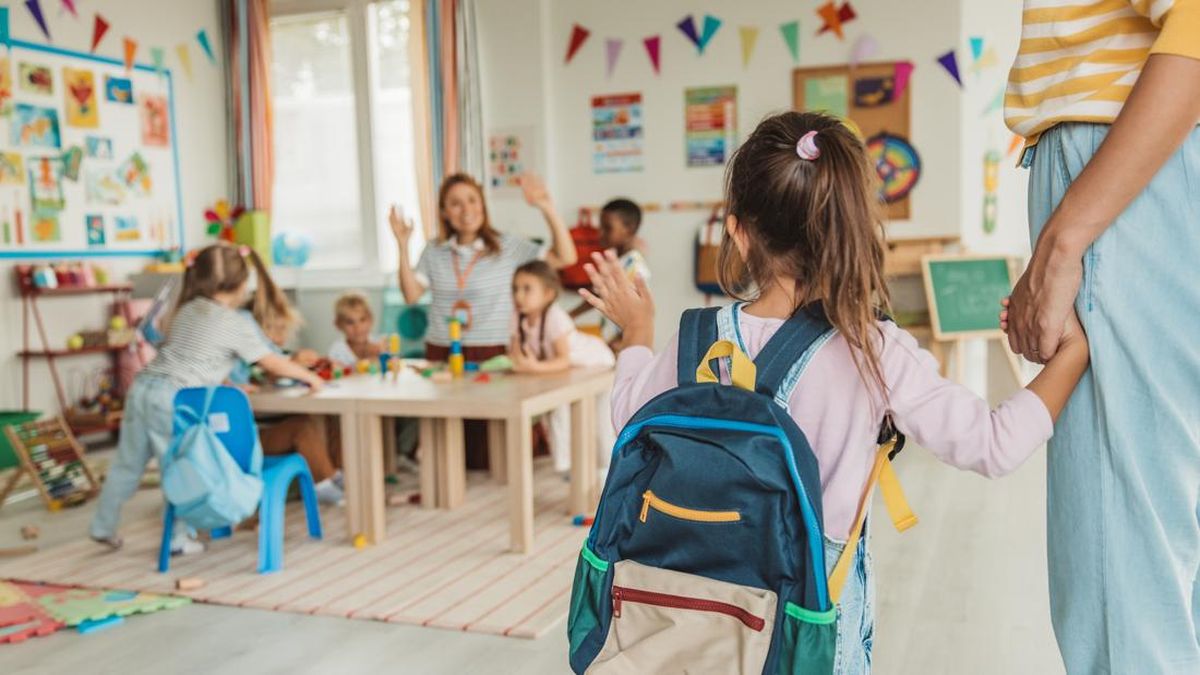
When faced with a child who adamantly refuses to attend school, child psychologists recommend a structured, empathetic, and proactive approach. Rushing to judgment or resorting to punitive measures often exacerbates the underlying anxiety, driving the child further into a defensive posture.
-
Initiate Open, Non-Judgmental Dialogue
The initial response to school refusal should always be rooted in active listening. Parents must create a safe space for the child to express their feelings without fear of immediate reprimand, punishment, or dismissal of their concerns. Instead of asking closed-ended questions or making demands, parents should inquire gently about specific aspects of the school day—the classroom environment, relationships with peers, interactions with specific teachers, or anxieties regarding homework and examinations. Uncovering hidden stressors, such as subtle bullying, academic struggles, or sensory overload, depends heavily on maintaining open lines of communication. -
Avoid Prolonged Home Confinement
A common pitfall for well-meaning parents is allowing a reluctant child to remain at home for extended periods. While temporary respite may seem to alleviate the immediate crisis, prolonged absence significantly reinforces the avoidance cycle. Each day a child stays home, the perceived barrier to returning grows taller, and the comfort of the home environment becomes more entrenched. Experts advise that if a child must stay home due to acute distress, the day should not feel like a holiday; access to screens, video games, and recreational activities should be strictly limited to ensure that staying home does not become an unintended reward. -
Foster Collaborative Partnerships with Educators
Addressing school refusal effectively requires close cooperation between the home and the educational institution. Parents should proactively reach out to teachers, school counselors, and administrators to share observations regarding the child’s reluctance. Educators can provide invaluable insights into the child’s daily classroom behavior, social dynamics during recess, and academic performance. Establishing a unified front ensures that the child perceives consistent support and clear expectations from all authority figures in their lives. -
Evaluate the Chronicity of the Behavior
Occasional reluctance to attend school is a normal part of childhood and rarely indicates a systemic issue. However, parents must exercise heightened vigilance if the avoidance behavior persists for multiple days, weeks, or months. Chronic school refusal is frequently characterized by frequent tardiness, early dismissals requested by the student, excessive visits to the school nurse, or constant telephone calls home. When the avoidance disrupts the functioning of the entire family unit, it transitions from a minor phase to a critical issue requiring systematic intervention. -
Engage Professional Mental Health Support
When school refusal is deeply entrenched, parental guidance alone may be insufficient. Families should not hesitate to seek the expertise of child psychologists, clinical social workers, or developmental pediatricians. Professional assessment helps determine whether the refusal is linked to separation anxiety disorder, social anxiety, depression, or panic disorders. Therapeutic interventions, most notably Cognitive Behavioral Therapy (CBT), have proven highly effective in equipping children with coping mechanisms to challenge irrational fears, manage stress, and gradually re-engage with their academic environments. -
Implement a Gradual Re-Entry Strategy
For children who have been absent from school for an extended period, the prospect of returning to a full, uninterrupted schedule can be overwhelming. In such cases, a gradual re-entry plan is essential for rebuilding confidence and emotional resilience.
A phased re-introduction might begin with simply driving past the school grounds to normalize the environment, progressing to visiting the campus during quiet hours such as weekends or after dismissal, and eventually stepping inside the building to meet a teacher or counselor. Once the child demonstrates readiness, they may attend school for a single class or a half-day before scaling back up to a full schedule. This methodical, step-by-step approach minimizes sensory overload and allows the child to experience small victories, reinforcing their sense of safety and competence.
Broader Implications and the Necessity of Early Intervention
The implications of untreated school refusal extend far beyond immediate academic disruptions. Prolonged absenteeism can severely hinder a child’s social development, depriving them of crucial opportunities to build peer relationships, practice conflict resolution, and develop emotional resilience. Over time, chronic school avoidance correlates with lower academic achievement, higher dropout rates, and an increased risk of developing long-term anxiety disorders and depression in adulthood.
Public health advocates and educational experts continuously emphasize that time is of the essence when addressing school refusal. The longer a child remains away from the classroom, the more formidable the psychological barrier to return becomes. By combining empathetic listening, vigilant observation of physical and emotional cues, close collaboration with schools, and timely professional intervention, parents can successfully guide their children through these developmental hurdles, restoring not only their educational routine but their overall emotional well-being.