New Scientific Research Reveals Cranberry Juice Shows Potential in Suppressing Dental Plaque Growth and Protecting Oral Health

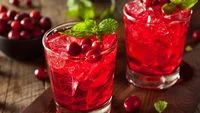
The landscape of preventive dental medicine has long focused on traditional interventions such as routine brushing, flossing, antimicrobial mouthwashes, and regular professional cleanings. However, researchers continually explore natural dietary adjuncts that can complement standard oral hygiene regimens. In a recent scientific development published in the journal Scientific Reports, investigators have illuminated a lesser-known benefit of cranberry consumption. While the tart red fruit has long maintained a well-established reputation for preventing urinary tract infections (UTIs), emerging evidence suggests that cranberry juice may also possess the capability to suppress the formation and growth of dental plaque, offering a promising dual-action benefit for human health.
For decades, public health messaging has categorized commercially produced fruit juices—particularly those perceived as containing added sugars—as potential hazards to dental enamel. High sugar content in beverages is universally recognized as a primary catalyst for acid production by oral bacteria, which subsequently leads to demineralization and dental caries (cavities). Consequently, health professionals have traditionally advised caution regarding the regular consumption of sweetened acidic beverages. However, this latest study challenges generalized assumptions, suggesting that specific bioactive compounds found within cranberries may actively counteract the harmful processes typically associated with sugar-containing beverages, provided the biochemical mechanisms are properly understood and harnessed.
Decoding the Biochemistry of Cranberry Compounds
To understand how cranberries influence oral health, it is essential to examine their complex molecular composition. Cranberries are exceptionally rich in a specific class of flavonoids known as proanthocyanidins, commonly abbreviated as PACs. These bioactive molecules have historically been studied for their anti-adhesion properties in urological health. In the context of urinary tract infections, PACs work by altering the surface properties of bacteria such as Escherichia coli, thereby preventing these pathogens from anchoring to the epithelial cells that line the bladder walls. Without the ability to adhere, the bacteria are readily flushed from the system before an infection can take hold.
Researchers hypothesized that a remarkably similar mechanism might operate within the complex ecosystem of the human oral cavity. The mouth hosts hundreds of distinct bacterial species, living in a delicate equilibrium. Among these, Streptococcus mutans is widely recognized as a principal villain in dental pathology. Streptococcus mutans metabolizes dietary carbohydrates, producing organic acids as a byproduct. These acids lower the pH of the immediate environment, eroding the protective enamel of the teeth and initiating the formation of dental caries. Furthermore, these bacteria contribute significantly to the development of dental biofilm, commonly referred to as plaque—a structured, sticky community of microorganisms that adheres persistently to tooth surfaces.
The recent study investigated whether the anti-adhesion and antibacterial properties of cranberry PACs could extend to Streptococcus mutans and other plaque-forming bacteria. By disrupting the ability of these pathogens to aggregate and form resilient biofilms on the enamel, cranberry-derived compounds could theoretically reduce the overall bacterial load and mitigate the risk of tooth decay and periodontal complications.
Chronology and Methodology of the Scientific Investigation
The path to these recent findings involved a carefully controlled clinical investigation designed to observe the direct interactions between cranberry constituents and oral microflora. The research initiative was spearheaded by a multidisciplinary team of dental scientists and microbiologists, featuring prominent contributions from Dr. Christine Wu, a respected professor and researcher in pediatric dentistry who has dedicated years to studying the intersection of diet and oral health.
The pilot study was intentionally structured on a small yet targeted scale to closely monitor real-time physiological responses. The research cohort comprised a diverse group of participants, specifically including 8 adults and 14 children. This demographic selection allowed scientists to observe potential variations in plaque response across different age groups, whose oral microbiomes and dietary habits can exhibit notable differences.
During the controlled observation periods, participants were exposed to various formulations of cranberry products, ranging from sweetened commercial variants to purified, unsweetened extracts. Researchers meticulously measured bacterial counts, plaque accumulation rates, and acid production levels before and after exposure to the cranberry substances.
The analytical phase yielded several noteworthy observations. Most prominently, the data revealed that the bacterial growth rate of dental plaque following exposure to sweetened cranberry juice was recorded at approximately 27 percent lower compared to the baseline measurements taken prior to exposure. While the research team noted that this specific numerical variance did not reach absolute statistical significance within the confines of this particular small-scale trial, the directional trend offered a compelling indication of biological activity that warranted deeper academic scrutiny.
Furthermore, when testing pure, unsweetened cranberry juice, the investigators observed a distinct reduction in the overall production of plaque-derived acids among the participants. Because these acids are the direct driving force behind enamel demineralization, any dietary factor capable of suppressing their production holds considerable therapeutic potential for preserving dental integrity. Although the researchers did not conduct formal, large-scale comparative trials specifically pitting sweetened versus unsweetened formulas directly against one another during this phase, the biochemical data strongly implied that pure cranberry juice would likely deliver superior oral health outcomes by eliminating the confounding variables introduced by added sugars.
Addressing Public Perceptions and Professional Perspectives
The publication of these findings has sparked meaningful dialogue within the dental community regarding dietary advice and preventive care. Dr. Christine Wu addressed the prevailing public skepticism surrounding the consumption of cranberry juice in a statement highlighting the nuance required in modern nutritional counseling.
"Kebanyakan orang menganggap jus cranberry sangat asam dan manis, sehingga dianggap tidak memberikan dampak positif bagi kesehatan mulut. Studi ini justru menunjukkan sebaliknya," stated Dr. Wu, emphasizing that despite its inherent acidity and the presence of sugars in commercial formulations, the underlying phytochemical profile of the fruit exerts a protective biological effect that overrides generalized assumptions.
Historically, dental professionals have maintained a uniform stance against fruit juices due to their cariogenic (cavity-causing) potential. Acidic beverages can soften tooth enamel temporarily, making teeth more vulnerable to mechanical abrasion from brushing. However, Dr. Wu and her colleagues suggest that the presence of high concentrations of PACs and other polyphenols creates a unique biochemical environment. These compounds can inhibit the enzymatic systems of oral bacteria, effectively neutralizing some of the risks traditionally associated with fruit-based beverages.
Nevertheless, public health experts emphasize that these findings should not be interpreted as a blanket endorsement of all commercially available cranberry products. Many mass-market cranberry juices contain exceptionally high levels of added refined sugars and high-fructose corn syrup to offset the natural, highly tart flavor profile of the fruit. Nutritionists caution that the presence of these added sugars can easily negate the antimicrobial benefits of the PACs, feeding the very bacteria the compounds aim to suppress. Consequently, dental health advocates recommend prioritizing 100 percent pure, unsweetened cranberry juice or standardized cranberry extract supplements if individuals wish to leverage these oral health benefits without compromising their dental enamel.
Broader Implications for Preventive Dentistry and Public Health
The implications of utilizing cranberry-derived compounds for oral hygiene extend far beyond individual dietary choices, pointing toward a transformative shift in the formulation of over-the-counter dental care products. As pharmaceutical and consumer goods companies search for effective, natural alternatives to synthetic antimicrobial agents—such as chlorhexidine, which can cause tooth staining and taste alterations with long-term use—plant-derived phytochemicals are gaining intense academic and commercial interest.
If subsequent, large-scale clinical trials confirm the efficacy of cranberry proanthocyanidins in suppressing dental plaque and neutralizing bacterial acids, the marketplace could witness a new generation of oral hygiene formulations. Researchers envision the integration of purified cranberry PACs into everyday products such as mouthwashes, specialized toothpastes, chewing gums, and dental varnishes. By incorporating these active molecules directly into vehicles that do not contain harmful sugars, manufacturers could harness the full therapeutic power of cranberries while completely eliminating the risk of enamel demineralization.
Moreover, the dual-benefit profile of cranberries—offering simultaneous support for urinary tract health and oral hygiene—presents a unique marketing and clinical advantage. In geriatric medicine and pediatric dentistry, where maintaining rigorous oral hygiene routines can sometimes present behavioral or physical challenges, dietary adjuncts or functional foods enriched with cranberry extracts could serve as a valuable complementary tool in comprehensive preventive care programs.
Future Research Directions and Conclusive Outlook
While the findings published in Scientific Reports represent an encouraging milestone, the scientific community emphasizes that further investigation is necessary before definitive clinical guidelines can be rewritten. Researchers point to the necessity of conducting randomized controlled trials with significantly larger and more diverse cohorts over extended monitoring periods. Such studies will be vital to establish optimal dosage parameters, determine the long-term impacts on the composition of the oral microbiome, and precisely differentiate the clinical efficacy of various cranberry cultivars and processing methods.
In conclusion, the emerging data bridges a fascinating gap between traditional nutritional science and modern preventive dentistry. Cranberry juice, once viewed with strict suspicion by dental professionals due to its sugar and acid content, is now being recognized as a sophisticated biochemical agent capable of exerting meaningful control over oral pathogens. As ongoing research continues to decode the complex interactions between dietary polyphenols and human microbial ecosystems, consumers and practitioners alike are afforded a more nuanced understanding of how everyday foods can contribute to holistic wellness, starting from the very first point of digestion within the oral cavity.
Related posts: