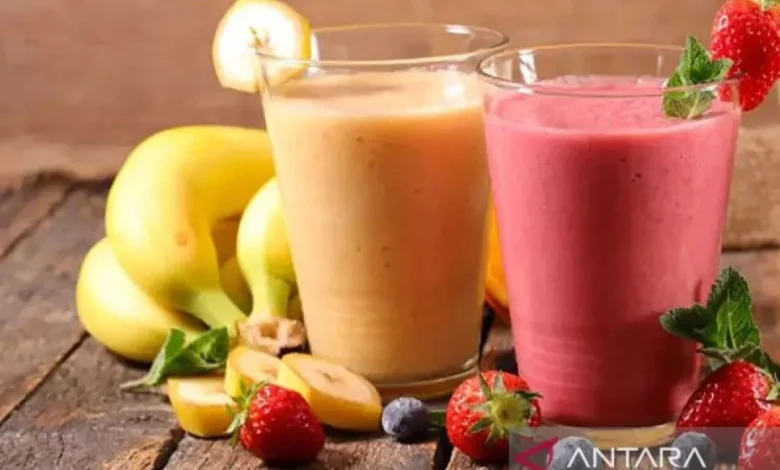
The global trend toward health-conscious dietary habits has consistently placed fruit-based beverages at the forefront of domestic nutrition. Among the most popular, accessible, and nutrient-dense combinations is the strawberry and banana smoothie. By marrying the high vitamin C content and antioxidant profile of strawberries with the energy-dense, potassium-rich nature of bananas, this beverage offers a pragmatic approach to enhancing daily micronutrient intake. While no single food item acts as a panacea for chronic illness, the integration of these fruits into a diverse, balanced diet serves as a fundamental pillar for maintaining systemic physiological health.
The Nutritional Profiles: A Symbiotic Relationship
At a biochemical level, strawberries and bananas offer complementary nutritional profiles that serve distinct physiological functions. Strawberries (Fragaria × ananassa) are widely recognized for their density in vitamin C—a water-soluble vitamin essential for the synthesis of collagen, which facilitates structural integrity in skin, tendons, and ligaments. Furthermore, the vibrant red hue of the strawberry is indicative of anthocyanins, a class of polyphenolic flavonoids known for their potent antioxidant properties. These compounds assist in neutralizing free radicals, thereby mitigating cellular damage caused by oxidative stress.
Conversely, the banana (Musa acuminata) functions primarily as a high-quality source of complex carbohydrates and potassium. Potassium is an essential electrolyte involved in the maintenance of intracellular fluid balance, nerve signal transmission, and muscle contraction. By combining these two fruits, the resulting smoothie provides a broad spectrum of vitamins, minerals, and dietary fibers, creating a balanced macronutrient delivery system that is both palatable and metabolically supportive.
Chronology of Dietary Recommendations
The evolution of nutritional guidelines over the past three decades has shifted from a focus on caloric restriction to the emphasis on nutrient density. In the early 2000s, the "Five-a-Day" campaign, spearheaded by various international health organizations, established a global standard for fruit and vegetable consumption. The rise of home-based juicing and blending in the 2010s further democratized access to these nutrients.
By 2020, clinical research began to emphasize the importance of whole-food processing. Health experts and nutritionists began to caution against the over-processing of fruit juices, noting that the mechanical removal of pulp significantly diminishes the fiber content, leading to higher glycemic spikes. Consequently, modern guidelines now advocate for "blended whole fruits" over "strained juices," marking a significant shift in how consumers prepare their morning beverages.
Data-Driven Nutritional Analysis
Data provided by the Cleveland Clinic and the Harvard T.H. Chan School of Public Health underscores the specific utility of these ingredients. A standard 100-gram serving of strawberries contains approximately 59.6 milligrams of vitamin C. This quantity satisfies a significant portion of the recommended daily allowance for adults, which typically hovers between 75 and 90 milligrams depending on biological sex and physiological status.
The banana’s contribution to this profile is equally significant. A medium-sized banana provides roughly 450 milligrams of potassium. This mineral is a critical component in cardiovascular health management, as it aids in the regulation of blood pressure by counteracting the negative effects of dietary sodium. However, it is imperative to note that for individuals with chronic kidney disease (CKD), such high-potassium loads must be strictly monitored under medical supervision, as the kidneys may struggle to filter excess minerals from the bloodstream.
The Role of Fiber in Metabolic Health
One of the most critical aspects of incorporating strawberries and bananas into a diet is the provision of dietary fiber. Fiber acts as a regulator for the digestive tract, ensuring the consistency of stools and promoting the health of the gut microbiome. Beyond gastrointestinal function, fiber is vital for glycemic control. By slowing the absorption of sugars in the small intestine, the fiber present in a whole-fruit smoothie prevents the rapid insulin spikes associated with high-sugar, low-fiber liquid diets.
To maximize these benefits, nutritionists recommend maintaining the integrity of the fruit structure. The act of blending, if performed without subsequent straining, preserves the pectin and cellulose content of the fruit. This stands in stark contrast to traditional juicing methods, which isolate the liquid and discard the beneficial fibrous matrix. Consequently, the preparation method is as important as the choice of ingredients themselves.
Professional Perspectives on Daily Consumption
In recent consultations, health experts have addressed the frequency of fruit-based smoothie consumption. While these beverages are objectively healthy, they are not exempt from the laws of caloric density. The National Health Service (NHS) in the United Kingdom has previously suggested a limit of 150 milliliters for fruit juices and smoothies as part of a daily intake quota. This limit is designed to discourage excessive sugar intake, even when that sugar is naturally occurring fructose.
"The key to a successful dietary regimen is variety," notes one independent nutritionist. "While a strawberry and banana smoothie is an excellent vehicle for nutrients, it should not replace the consumption of whole, unprocessed fruits. The mastication process involved in eating whole fruit contributes to satiety and better oral health, which are often lost when consuming liquid calories."
Implications for Public Health Policy
The broader implication of promoting fruit-based smoothies lies in the transition away from processed, sugar-laden beverages. By providing an educational framework on how to prepare these drinks—emphasizing the avoidance of added sugars, syrups, and condensed milk—public health initiatives can effectively lower the intake of ultra-processed foods.
The focus on "at-home preparation" is a strategic move to regain control over ingredient sourcing. Commercial smoothies often contain hidden additives, stabilizers, and excessive caloric sweeteners. By empowering the public with the knowledge to craft their own blends, health agencies facilitate a more sustainable and nutritionally transparent lifestyle.
Practical Guidelines for Home Preparation
To derive the maximum health benefit from a strawberry and banana smoothie, the preparation process must be standardized to avoid nutritional degradation:
- Ingredient Sourcing: Select fresh, seasonal fruits whenever possible. The nutrient content in fruits can fluctuate based on storage conditions and ripeness; thus, fresh produce remains the gold standard.
- Mechanical Processing: Use a high-speed blender to ensure a smooth consistency without the need for straining. Retaining the pulp is essential for fiber preservation.
- Liquid Base: Opt for water or unsweetened almond/soy milk if a thinner consistency is desired. Avoid high-calorie additives.
- Temperature Management: Consuming the drink immediately upon preparation minimizes the oxidation of vitamin C, which is sensitive to light and air exposure. If storage is necessary, utilize an airtight, opaque container in a refrigerated environment to maintain nutritional integrity.
- Portion Control: Even healthy ingredients contribute to the total daily caloric budget. A standard serving should generally not exceed 200–250 milliliters to maintain caloric balance.
Addressing Dietary Misconceptions
There exists a pervasive misconception that fruit smoothies can substitute for medical intervention in the treatment of hypertension or cardiovascular disease. It is critical to clarify that while the potassium in bananas and the antioxidants in strawberries support heart health, they cannot reverse established pathological conditions.
"Patients often ask if a daily smoothie can negate the effects of a high-sodium diet or a sedentary lifestyle," a cardiology researcher stated. "The answer is invariably no. The smoothie is a tool for support, not a replacement for medical therapy, regular exercise, and comprehensive lifestyle management."
The Future of Nutritional Education
As we look toward the future of nutrition, the emphasis will likely remain on the "synergy of nutrients." The strawberry and banana combination is a classic example of how different phytochemicals work in concert to provide health benefits that are greater than the sum of their parts. Future public health campaigns are expected to move toward personalized nutrition, where individuals learn to tailor their smoothie components based on specific health markers, such as iron deficiency (adding vitamin C-rich strawberries to plant-based iron sources) or muscle recovery needs (adding potassium-rich bananas post-exercise).
In conclusion, the strawberry and banana smoothie represents a simple, evidence-based intervention for those looking to improve their daily nutritional profile. By adhering to the principles of whole-food blending, mindful portion control, and the avoidance of unnecessary additives, consumers can harness the benefits of these fruits to support their long-term health and well-being. As with all dietary practices, consistency and moderation remain the most important variables in achieving sustainable health outcomes. The integration of such beverages into a broader, diverse, and plant-forward diet remains one of the most accessible pathways for the general public to enhance their physiological resilience against the demands of modern life.
Related posts: