Recommendations for Exciting Korean Dramas with Parallel World and Cross-Dimensional Travel Themes to Watch.

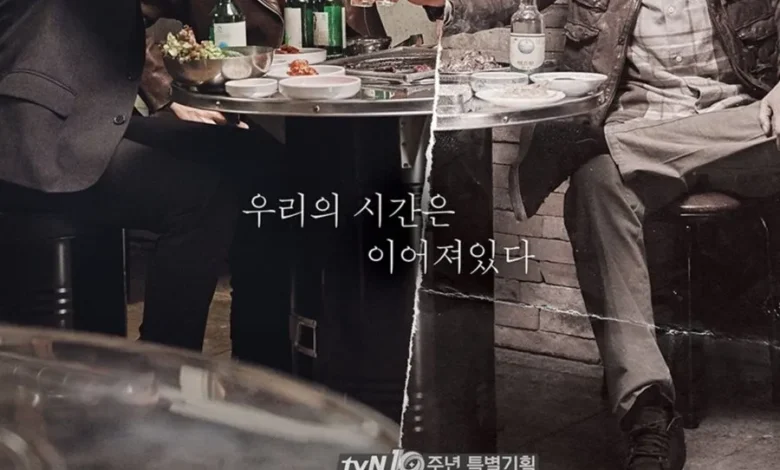
The concept of parallel worlds and cross-dimensional travel has carved out a distinctive and highly cherished niche within the Korean drama landscape. With a publication date of May 24, 2026, the enduring appeal of these narratives continues to captivate global audiences, showcasing the boundless creativity of K-drama writers and producers. From intricate alternate realities to fantastical journeys across time and space, these dramas offer a diverse spectrum of storytelling, seamlessly blending elements of romance, thriller, historical fiction, horror, and comedy into compelling narratives. The versatility of "two worlds" concepts—encompassing parallel universes, webtoon dimensions, spirit realms, and inter-temporal communication—provides an unparalleled canvas for exploring complex emotional conflicts, philosophical dilemmas, and exhilarating adventures.
The Enduring Appeal of Alternate Realities in K-Dramas
The consistent popularity of K-dramas featuring parallel universes and cross-dimensional travel stems from their ability to tap into fundamental human curiosities and "what if" scenarios. Viewers are inherently drawn to the idea of alternative choices and their potential outcomes, a sentiment that these dramas explore with dramatic flair and engaging narratives. The "what if I had made a different choice?" element resonates deeply, offering a vicarious exploration of divergent life paths and destinies. This thematic richness allows for stories that are not only entertaining but also thought-provoking, prompting audiences to consider the nature of reality, fate, and free will.
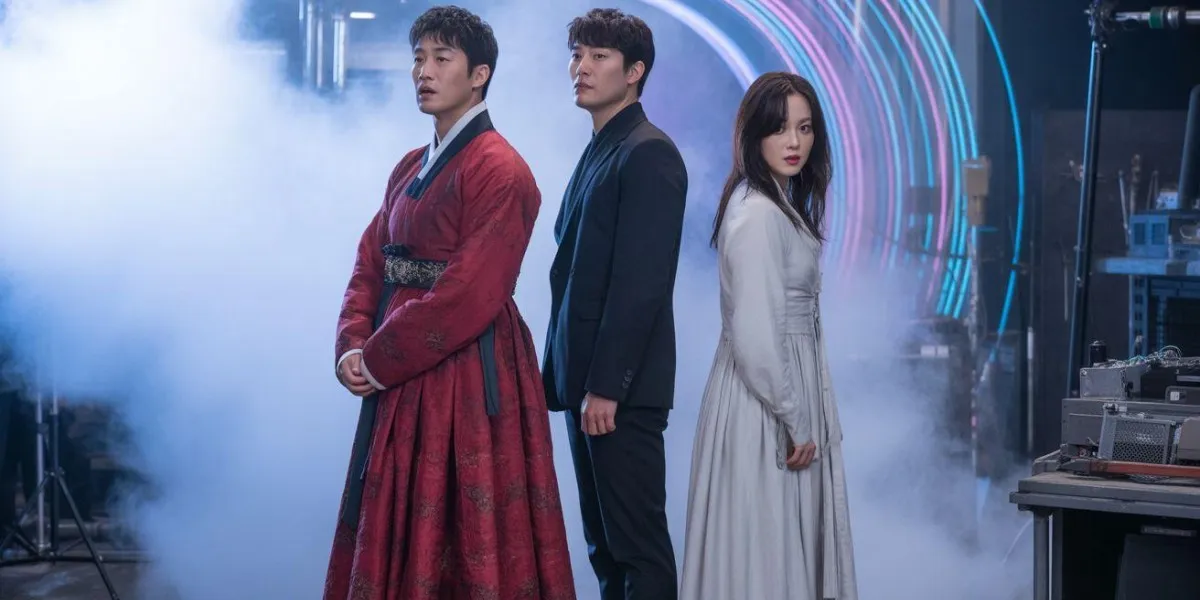
Furthermore, the genre’s broad appeal is reinforced by its capacity to transcend conventional genre boundaries. As noted by mydramalist.com, parallel universe and cross-world traveler themes consistently rank among the most popular tags for Asian drama enthusiasts, with over 48 titles spanning various countries. This indicates a widespread appetite for narratives that push the boundaries of reality. Whether it’s the poignant romance of W: Two Worlds, the gripping suspense of Signal, or the historical grandeur of Moon Lovers: Scarlet Heart Ryeo, these dramas cater to a wide array of preferences without sacrificing narrative depth. This adaptability ensures that the genre remains fresh and relevant, continually attracting new viewers while satisfying long-time fans.
Evolution of Fantasy and Sci-Fi in Korean Dramas
The integration of fantasy and science fiction elements into Korean dramas has undergone a significant evolution, moving from subtle magical realism to sophisticated explorations of complex scientific and philosophical concepts. Early forays into the fantastical often involved mythical creatures or simple time-slips. However, as the Korean wave (Hallyu) gained global momentum, production values increased, and screenwriters became more ambitious. The late 2000s and early 2010s saw a rise in dramas that more overtly played with time travel and destiny, such as Queen In-hyun’s Man (2012) and Nine: Nine Time Travels (2013), which set higher standards for narrative complexity and visual effects.
The mid-2010s marked a turning point with dramas like W: Two Worlds (2016) and Signal (2016). W broke new ground by literally bridging the gap between a webtoon world and reality, showcasing innovative visual storytelling and intricate plot mechanics. Signal, inspired by real-life cold cases, masterfully wove together time travel and criminal investigation, earning critical acclaim for its taut pacing and compelling characters. These dramas demonstrated that K-dramas could tackle high-concept sci-fi themes with both emotional depth and mainstream appeal.
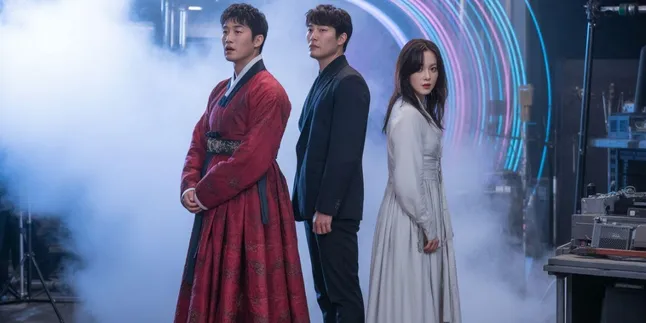
The genre has continued to mature, with recent hits like The King: Eternal Monarch (2020) pushing the visual boundaries of parallel universe narratives and Twinkling Watermelon (2023) offering a heartwarming take on time travel. The increasing sophistication in storytelling, coupled with advancements in CGI and production design, allows for the creation of immersive alternate worlds that were once unimaginable. This continuous innovation ensures that K-dramas remain at the forefront of creative global entertainment, continually redefining what is possible within the television medium.
Diverse Dimensions: Categorizing Popular K-Drama Themes
The vast array of K-dramas employing parallel world and cross-dimensional travel themes can be broadly categorized by their primary genre focus, offering something for every viewer.
1. Romance and Fantasy: Love Across Dimensions
This category often presents the most emotionally charged narratives, where the protagonists must overcome not just personal differences but also the fundamental barriers of different realities to be together. The inherent drama of falling in love with someone from an entirely different dimension or timeline intensifies emotional arcs, making these stories particularly poignant.
- W: Two Worlds Apart (2016): Starring Lee Jong-suk and Han Hyo-joo, this drama is a seminal example of the genre. It tells the story of Oh Yeon-joo, a surgeon whose reality intertwines with that of Kang Chul, the protagonist of a popular webtoon written by her father. The two worlds bleed into each other, creating thrilling and romantic conflicts as they fight against the webtoon’s creator and fate itself. Its innovative concept and stylish execution earned it widespread acclaim.
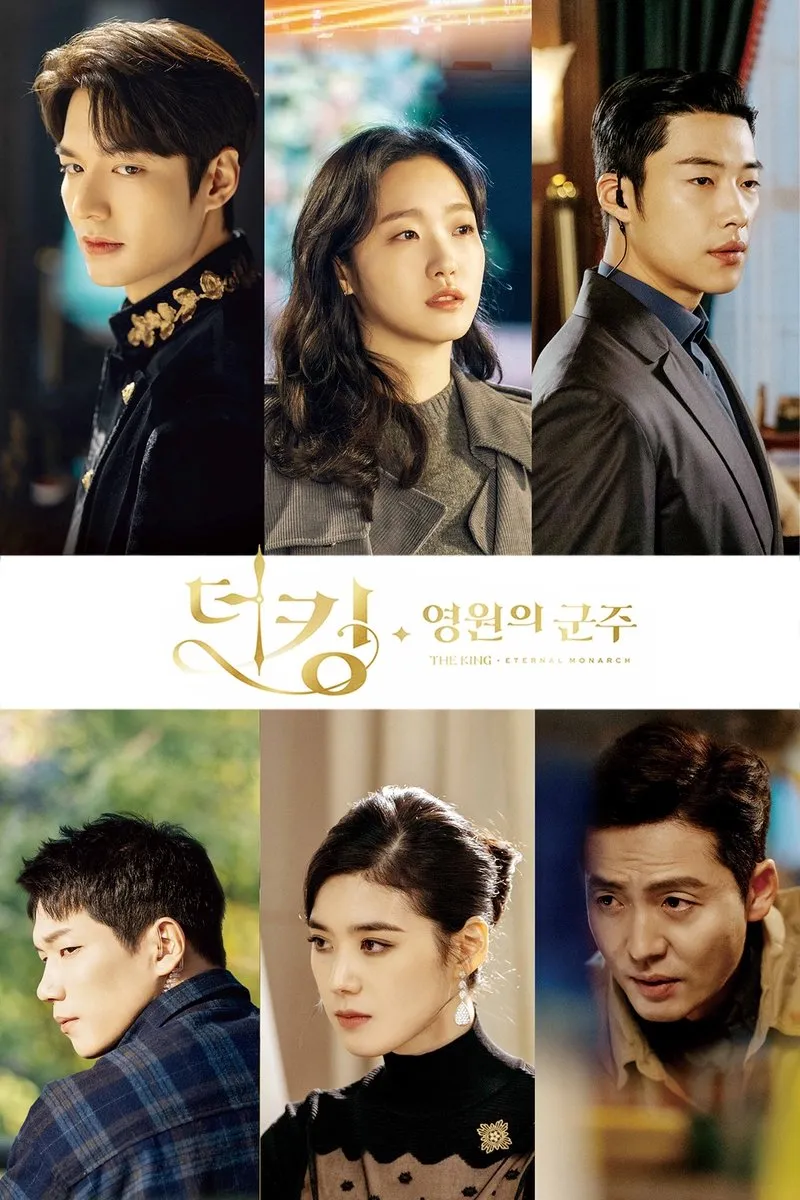
- The King: Eternal Monarch (2020): Penned by the celebrated writer Kim Eun-sook, this series stars Lee Min-ho as Emperor Lee Gon of the Kingdom of Corea, who travels through a mysterious portal to a parallel world where the Republic of Korea exists. There, he meets and falls in love with detective Jung Tae-eul (Kim Go-eun). The drama intricately weaves together romance, political intrigue, and a complex parallel universe theory, exploring themes of destiny and choice across two distinct realities.
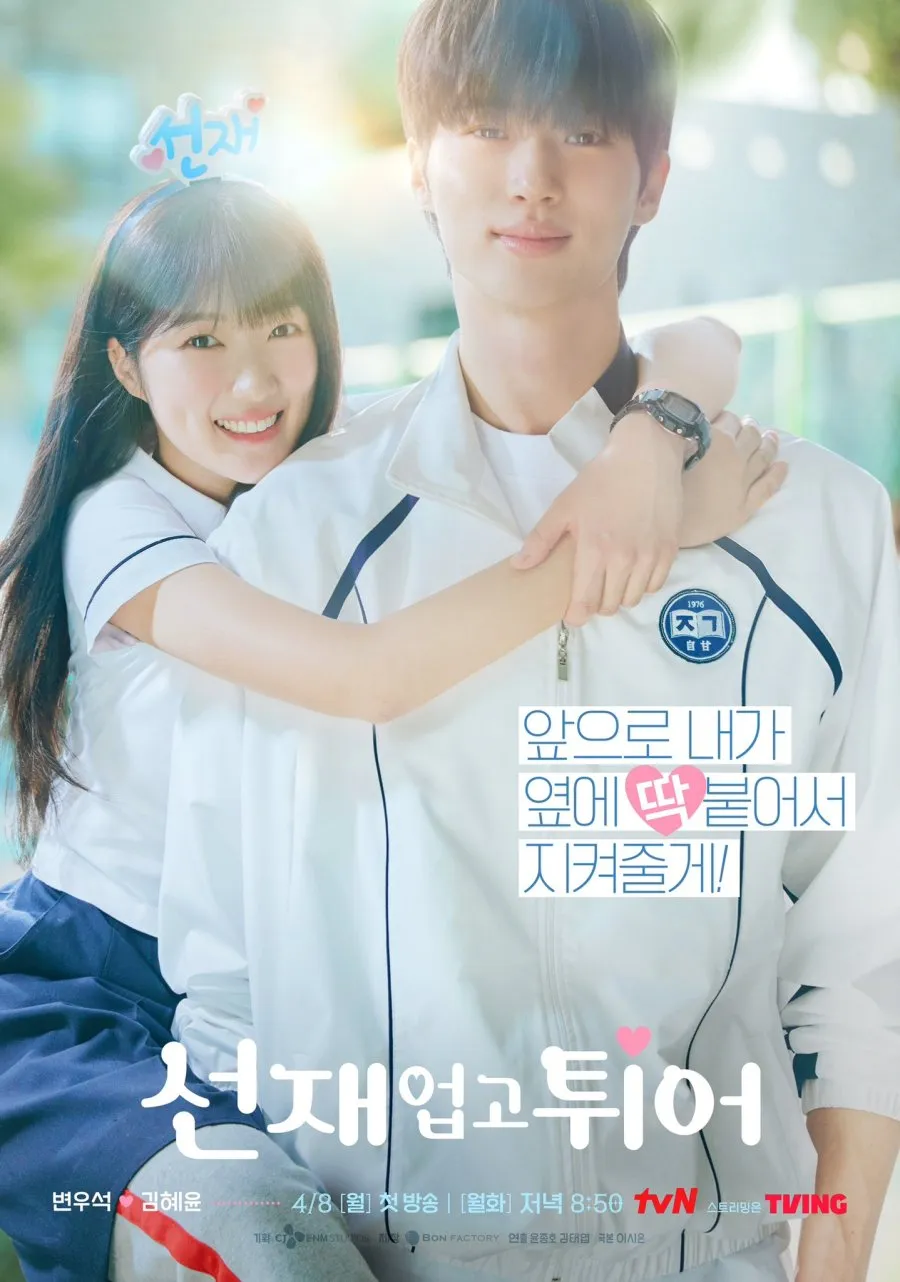
- Lovely Runner (2024): A recent sensation, this drama features Kim Hye-yoon as Im Sol, a devoted fan who travels back in time to save her favorite idol, Ryu Sun-jae (Byeon Woo-seok), from a tragic fate. It blends time travel with a sweet, heartfelt romance and elements of suspense, quickly becoming a fan favorite for its captivating storyline and strong chemistry between the leads. It boasts a high
mydramalist.comscore of 9.0, reflecting its immense popularity. - Extraordinary You (2019): Based on a webtoon, this drama stars Kim Hye-yoon as Eun Dan-oh, a high school student who discovers she is merely an extra in a comic book world and attempts to change her predetermined fate and find her own true love. This meta-narrative cleverly explores agency and free will within a fantastical setting.
2. Thriller and Mystery: Navigating Time and Space
Not all cross-dimensional dramas are romantic. Many harness the inherent tension of time manipulation and alternate realities to deliver nail-biting thrillers and complex mysteries, often featuring difficult-to-predict plot twists that keep viewers glued to their screens until the very last episode.
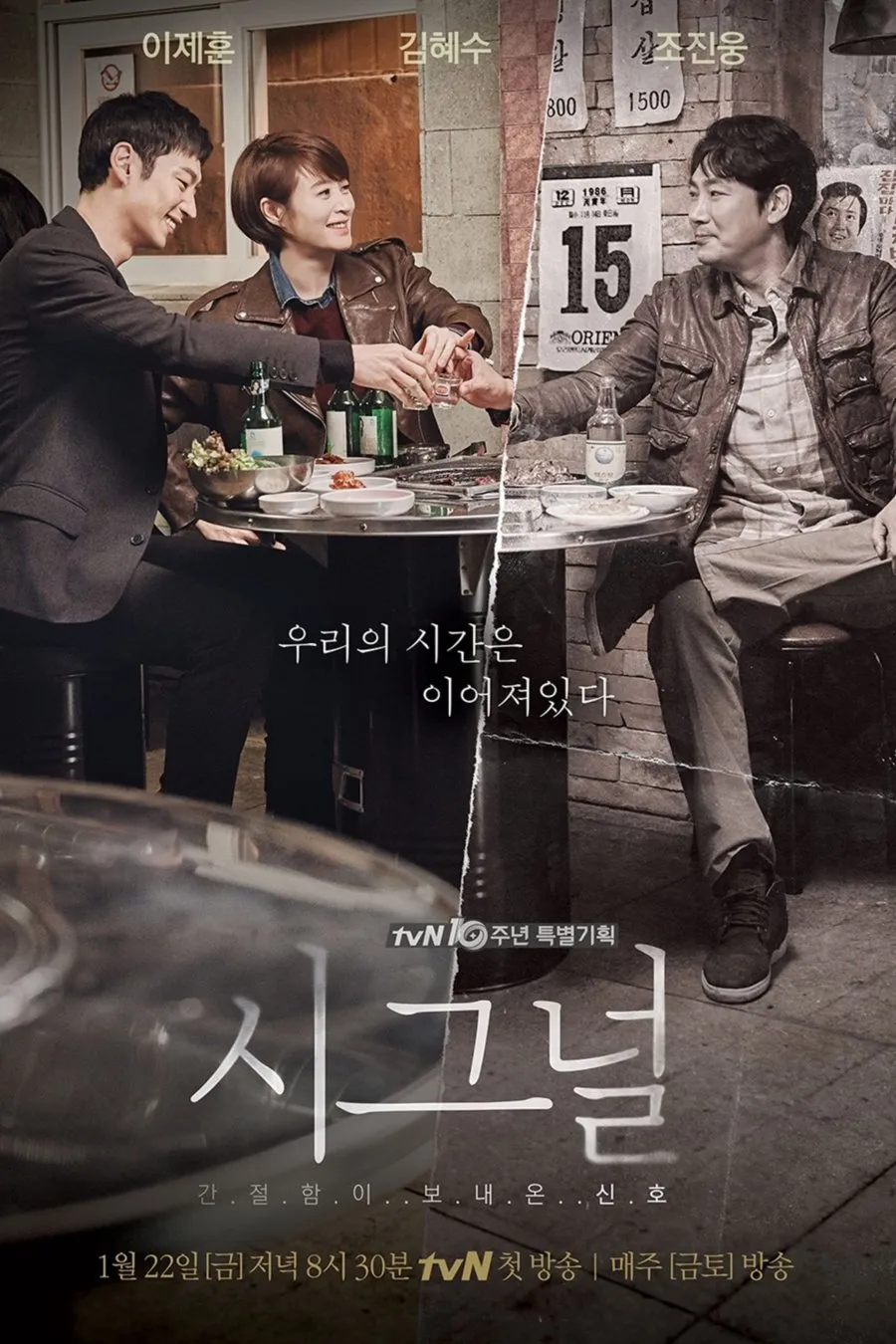
- Signal (2016): Inspired by actual cold cases, this drama features Lee Je-hoon, Kim Hye-soo, and Cho Jin-woong. A mysterious walkie-talkie allows a criminal profiler from 2015 to communicate with a detective from 1989. Together, they solve cold cases, but altering the past has unforeseen and often dangerous consequences for their present. Signal is lauded for its gripping plot, excellent performances, and masterful use of the time-travel trope, earning a stellar
mydramalist.comscore of 8.8. - Tunnel (2017): Choi Jin-hyuk plays a detective from 1986 who time-travels to 2017 while chasing a serial killer. He must adapt to modern technology and societal changes while continuing his pursuit, forming an unlikely alliance with contemporary detectives. This drama skillfully blends procedural crime with a time-slip element, creating a compelling and suspenseful narrative.
- Alice (2020): Starring Joo Won and Kim Hee-sun, Alice delves into a dystopian future where time travel is possible, but its misuse creates parallel realities. A detective who can’t feel emotions encounters a brilliant physicist who resembles his deceased mother, leading him into a complex web of time travelers and paradoxes. It’s a high-concept sci-fi thriller with intricate plotting.
- Train (2020): Yoon Shi-yoon plays two versions of a detective from parallel universes. When a serial killer from one world crosses into the other, he must work with his alternate self to stop the murderer, all while navigating the emotional complexities of encountering loved ones who are different in the other reality. This drama offers a darker, more intense exploration of parallel worlds.
3. Historical Journeys: Time-Slips to the Past
The allure of journeying to the past, especially to Korea’s rich historical eras, is a potent narrative device. These dramas leverage the cultural, social, and political differences between eras to create dynamic stories that can span romance, political intrigue, and even criminal investigation.
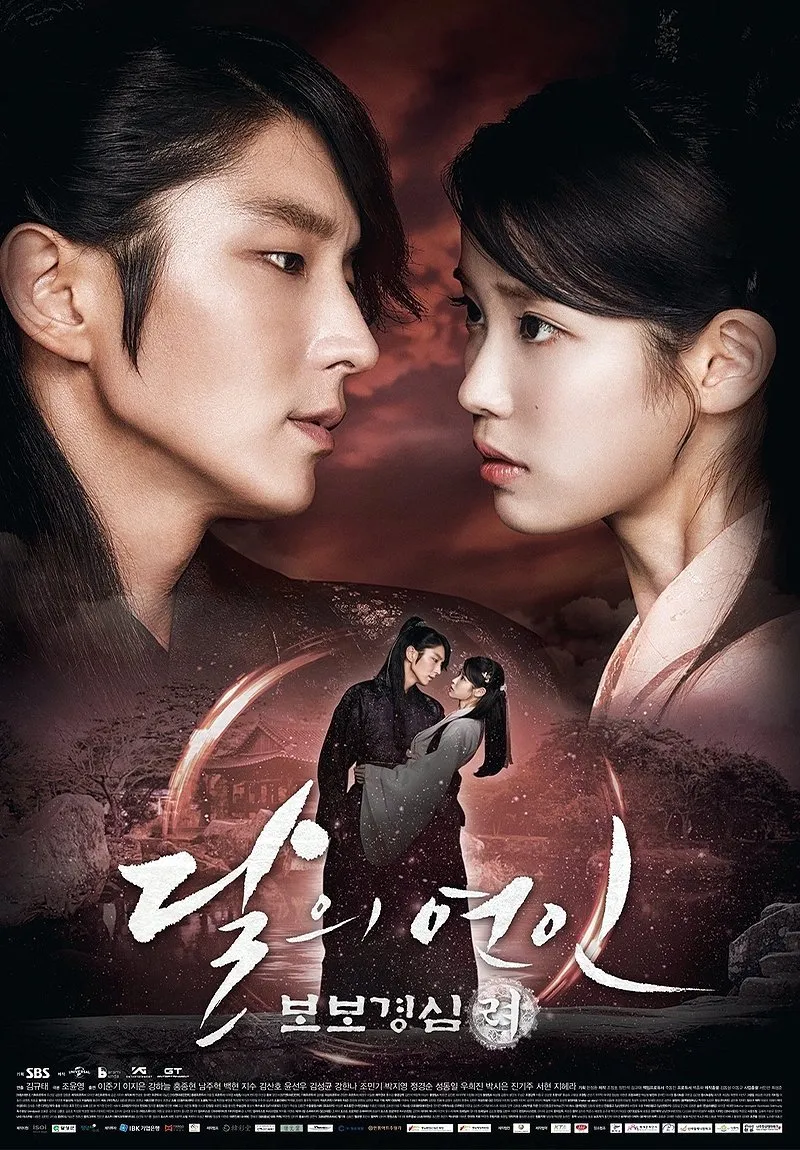
- Moon Lovers: Scarlet Heart Ryeo (2016): A critically acclaimed and emotionally devastating series starring IU and Lee Joon-gi. A 21st-century woman is transported back to the Goryeo Dynasty during a total solar eclipse, where she becomes embroiled in the fierce power struggles among the royal princes. The drama is renowned for its beautiful cinematography, intense performances, and tragic ending.
- Mr. Queen (2020-2021): A lighthearted yet intricate historical fantasy. A modern-day chef (Choi Jin-hyuk) with a free spirit finds his soul trapped in the body of Queen Cheorin (Shin Hye-sun) during the Joseon Dynasty. The ensuing chaos, combined with political machinations and an unexpected romance with King Cheoljong (Kim Jung-hyun), made it a massive hit, achieving a
mydramalist.comscore of 9.0. - Rooftop Prince (2012): This charming romantic comedy stars Park Yoo-chun as a Joseon Crown Prince who, along with his entourage, time-travels 300 years into the future to 21st-century Seoul. There, he meets a woman who resembles his deceased princess, leading to hilarious culture clashes and a heartwarming journey of love and mystery.
- Live Up to Your Name (2017): Kim Nam-gil plays a Joseon-era acupuncturist who repeatedly travels to modern-day Seoul. There, he encounters a talented modern surgeon (Kim Ah-joong) who disbelieves in traditional medicine. Their clashing ideologies and eventual romance span centuries, offering a unique blend of medical drama, historical fantasy, and comedy.
4. Horror and Supernatural: Bridging Worlds of the Living and the Dead
The intersection of human and spirit worlds offers fertile ground for K-dramas, often blending light horror with romance and comedy. These dramas frequently explore themes of life, death, and the afterlife, making them accessible even for those new to the genre.
- Goblin (Guardian: The Lonely and Great God) (2016-2017): Another masterpiece from writer Kim Eun-sook, starring Gong Yoo and Kim Go-eun. A cursed immortal goblin seeks his human bride to end his eternal life. This drama is a cultural phenomenon, celebrated for its stunning visuals, profound narrative, and iconic characters. It seamlessly combines fantasy, romance, and philosophical musings on life and death.
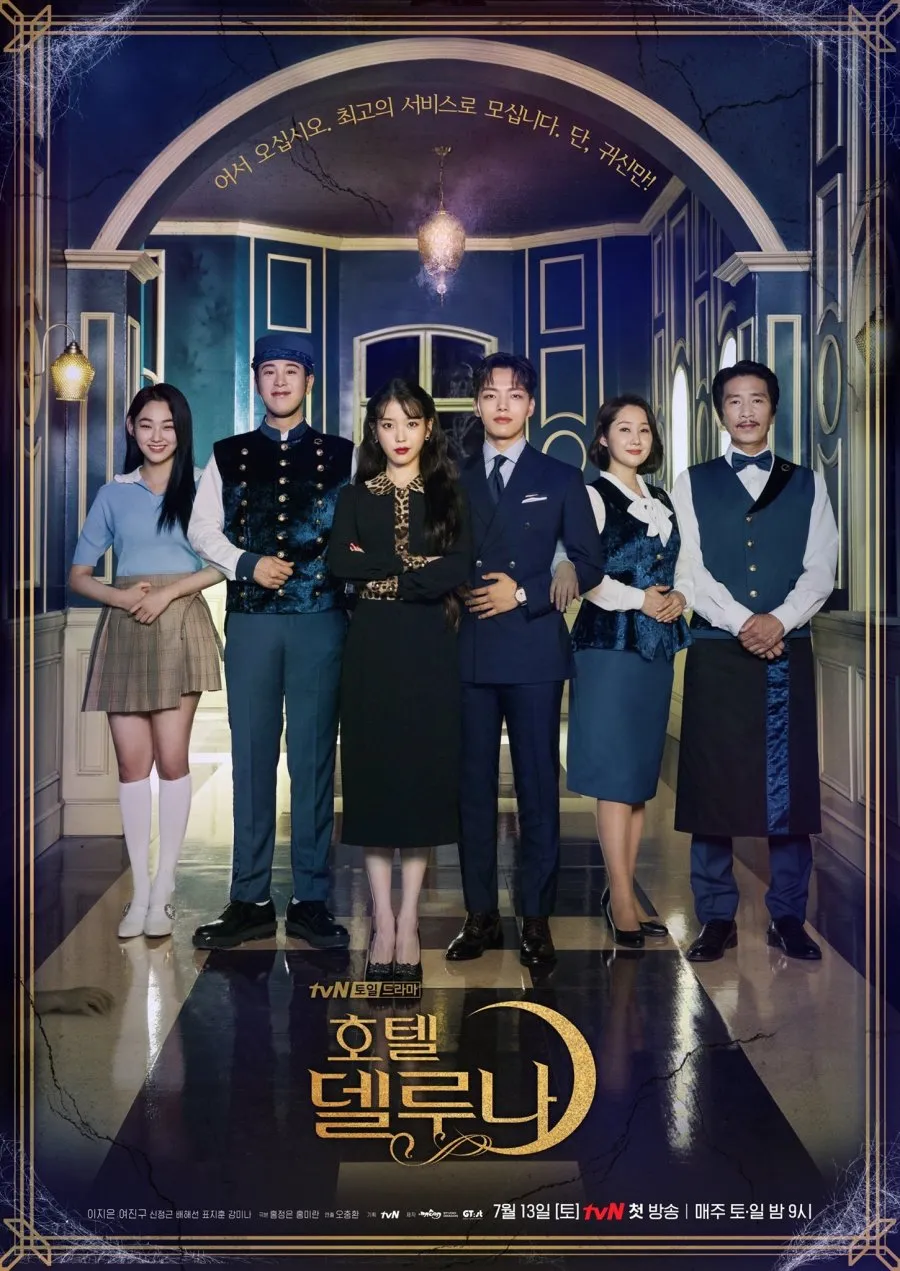
- Hotel Del Luna (2019): Starring IU and Yeo Jin-goo, this drama features a mysterious hotel whose clientele are ghosts before they cross over to the afterlife. Jang Man-wol (IU), the hotel’s cursed owner, is a captivating figure with a tragic past. The series is visually stunning, emotionally resonant, and balances its supernatural elements with heartfelt stories of redemption and romance. Both Goblin and Hotel Del Luna are excellent entry points for newcomers due to their clear narratives and engaging blend of genres.
5. Lighthearted Escapes: Comedy Fantasies and Rom-Com Time Travel
For those seeking a more uplifting experience, many K-dramas combine the whimsical nature of time travel with generous doses of comedy and romance. These series provide feel-good entertainment while often incorporating clever plot twists.
- Twinkling Watermelon (2023): This heartwarming drama stars Ryeoun as a CODA (Child of Deaf Adults) who time-travels to 1995 and meets his parents as high school students. He forms a band with his father and navigates the challenges of the past while trying to influence his parents’ future. It’s a touching story about family, music, and growing up, earning a remarkable
mydramalist.comscore of 9.2. - Welcome 2 Life (2019): Rain stars as a self-centered lawyer who, after a mysterious accident, finds himself in a parallel universe where he is an upright prosecutor married to his ex-girlfriend. He must adapt to this new reality and become the person he always should have been, blending fantasy with elements of legal drama and comedy.
6. Unique Conceptualizations of Parallel Universes
Some K-dramas push the boundaries of the parallel universe concept even further, offering truly out-of-the-box narratives that challenge conventional storytelling. These dramas highlight the incredible creative freedom afforded by the genre.
- Sisyphus: The Myth (2021): Park Shin-hye and Cho Seung-woo lead this sci-fi mystery about a genius engineer who uncovers dangerous secrets about a hidden world of time-travelers, known as "Sisyphus." The series delves into complex physics and paradoxes, featuring high-stakes action and a battle for the future of humanity.
- Memories of the Alhambra (2018-2019): Hyun Bin and Park Shin-hye star in this unique blend of fantasy, suspense, and romance. A CEO travels to Spain to meet the creator of an augmented reality (AR) game, only to find himself embroiled in a mysterious incident where the lines between the game world and reality begin to blur, with deadly consequences.
The Craft Behind the Scenes
The success of these intricate narratives is not solely due to innovative concepts but also to the meticulous craftsmanship behind their production. Renowned screenwriters like Kim Eun-sook (Goblin, The King: Eternal Monarch) and Song Jae-jung (W: Two Worlds, Nine: Nine Time Travels) are celebrated for their ability to construct complex plots and compelling characters that resonate with audiences. Their vision is brought to life by skilled directors who masterfully translate these fantastical worlds to the screen, often employing cutting-edge visual effects (VFX) to create immersive alternate realities, fantastical creatures, and seamless transitions between dimensions. The K-drama industry’s investment in high-quality production, from cinematography to sound design, ensures that even the most ambitious concepts are realized with polish and professionalism, elevating the viewing experience.
Global Impact and Future Trends
These high-concept K-dramas significantly contribute to the global phenomenon of Hallyu, attracting international viewers with their unique blend of genres, compelling storytelling, and high production values. They showcase the innovative spirit of Korean entertainment, proving that complex narratives can achieve widespread appeal. The ongoing success of these themes indicates a strong future for the genre.
Looking ahead, the genre is poised for continued innovation. One highly anticipated project is Grand Galaxy, a rumored sequel to Hotel Del Luna, reportedly set to star Lee Do-hyun and Go Min-si and produced by Netflix. This suggests a continued trend of investing in popular fantasy universes and expanding them with new narratives and global distribution. The continuous evolution of technology and the bold creativity of Korean writers and directors ensure that the parallel universe and time-travel themes will remain a dominant and exciting force in Korean television for years to come.
Navigating the Multiverse: Tips for Viewers
With such a rich selection of K-dramas featuring parallel worlds and cross-dimensional travel, choosing where to begin can be daunting. The most effective approach, as observed by critics, is to start with your preferred genre. If you enjoy romantic narratives, W: Two Worlds Apart or Lovely Runner are excellent choices. For those who prefer suspense and intricate plots, Signal or Tunnel offer thrilling experiences. Historical drama enthusiasts might gravitate towards Mr. Queen or Moon Lovers: Scarlet Heart Ryeo. Regardless of your starting point, ensure you are watching on official streaming platforms such as Netflix, Viu, Disney+, Viki, or TVING to support the Korean drama industry.
Frequently Asked Questions (FAQ)
What defines a Korean drama with a parallel world theme?
Korean dramas centered on parallel worlds explore the concept of alternative realities, distinct dimensions, or universes that exist simultaneously with the known world. These themes are frequently interwoven with romance, thriller, or fantasy elements to craft unique and engaging storylines.
Which parallel world K-dramas are recommended for beginners?
For newcomers, Signal is an excellent choice due to its clear, suspenseful plot. If romance is preferred, W: Two Worlds Apart offers an easily digestible yet thrilling concept. Goblin and Hotel Del Luna are also highly recommended for their well-defined plots and balanced blend of fantasy, romance, and light horror.
Do all parallel world K-dramas have sad endings?
No, not all K-dramas with parallel world themes conclude tragically. Series like Extraordinary You and Welcome 2 Life offer more uplifting and satisfying resolutions. However, some, such as Moon Lovers: Scarlet Heart Ryeo, are renowned for their emotionally impactful and often heartbreaking finales.
What is the distinction between parallel world and time travel dramas?
Parallel world dramas, like The King: Eternal Monarch, involve two or more realities coexisting simultaneously, with characters potentially moving between them. Time travel dramas, such as Moon Lovers: Scarlet Heart Ryeo, focus on characters moving backward or forward in time within a single timeline. Both categories are often grouped under "fantasy dramas featuring the meeting of two worlds."
Which parallel world K-dramas have achieved the highest ratings?
Based on mydramalist.com scores, Twinkling Watermelon (9.2), Mr. Queen (9.0), and Lovely Runner (9.0) are among the top-rated in the time travel and fantasy genres. Signal also holds a very high score of 8.8, indicating strong critical and audience reception.
On which platforms can these K-dramas be streamed?
Korean dramas with parallel world themes are widely available on major streaming services including Netflix, Viu, Disney+, Viki, and TVING. Always opt for official platforms to ensure legal viewing and support the creators.
Are there any upcoming parallel world K-dramas for 2025-2026 that are highly anticipated?
Grand Galaxy, a rumored sequel to Hotel Del Luna starring Lee Do-hyun and Go Min-si and written by the Hong Sisters for Netflix, is generating significant buzz. Additionally, Lovely Runner, released in 2024, remains a highly recommended watch if you haven’t seen it yet.