Pertamina Patra Niaga elevates consumer experience through the nationwide expansion of premium SPBU Signature stations

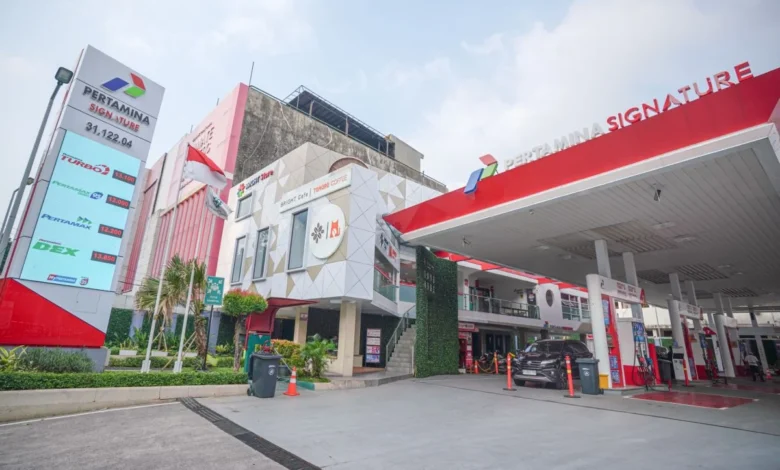
Pertamina Patra Niaga, the commercial arm of Indonesia’s state-owned energy company, has embarked on a strategic initiative to redefine the traditional gas station model through its "SPBU Signature" program. By pivoting away from the conventional perception of service stations as mere refueling points, the company is transforming these sites into comprehensive "rest and service" hubs. This evolution represents a significant shift in retail strategy, focusing on customer convenience, high-quality non-subsidized fuel, and an integrated service ecosystem designed to meet the demands of modern urban mobility.
The SPBU Signature initiative marks a deliberate departure from the standard retail format, prioritizing premium service and infrastructure. As of 2026, the company has accelerated the conversion of existing stations into this premium format, particularly within the densely populated Jabodetabek (Jakarta, Bogor, Depok, Tangerang, and Bekasi) area, signaling a broader intent to modernize its downstream retail footprint.
The Genesis and Evolution of the SPBU Signature Concept
The conceptualization of the SPBU Signature began with a pilot project in the affluent Pondok Indah area of South Jakarta. Recognizing that urban consumers increasingly view time as a premium commodity, Pertamina sought to address the need for a more comfortable, reliable, and multi-functional stopover. Unlike standard stations, which are primarily transactional, the SPBU Signature is designed as a destination.
The timeline of this transition has been progressive. Following the initial success in Pondok Indah, the company scaled the model to 10 strategic locations across Jakarta, including key transit points like S. Parman and Fatmawati. By 2026, the program had expanded to at least 13 major locations across the Greater Jakarta area. This rollout is not merely aesthetic; it involves a fundamental shift in inventory management, as these stations have completely phased out subsidized fuels like Pertalite and Bio Solar in favor of high-performance, non-subsidized products such as the Pertamax Series and Dex Series.
Redefining the Service Experience
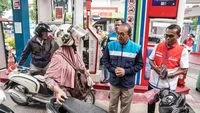
At the core of the SPBU Signature philosophy is a heightened standard of service interaction. Pertamina has implemented specialized training programs for its frontline staff, transitioning them from simple pump operators to service consultants. These employees are tasked with providing proactive assistance, offering information on loyalty programs, and guiding customers through the various amenities available at the site.
This "human-centric" approach is complemented by a suite of physical facilities. Key amenities include:
- Sanitary and Spiritual Facilities: Recognizing the importance of clean, reliable infrastructure, all Signature stations feature high-standard toilets and well-maintained prayer rooms (musala) equipped with complete ablution facilities.
- Retail and Refreshment Integration: Each station hosts a "Bright Store," which offers a curated selection of food, beverages, and essential travel goods. Several locations have further integrated third-party coffee shops and dedicated lounge areas, allowing motorists to mitigate fatigue before resuming their journeys.
- Maintenance Support: Beyond fuel, these stations offer "light touch" vehicle maintenance. This includes professional tire repair, nitrogen inflation services, and, at specific locations, complimentary tire polishing for customers who meet a minimum fuel purchase threshold—typically set at Rp350,000.
Strategic Implications of the Fuel Pivot
The decision to limit Signature stations exclusively to non-subsidized fuels is a calculated move that carries significant economic and operational implications. By concentrating Pertamax and Dex series products, Pertamina is streamlining its supply chain efficiency and catering to a growing segment of the market that prioritizes engine performance and longevity.
From a policy perspective, this shift aligns with ongoing government efforts to ensure that subsidized fuels—which are intended for lower-income demographics—are not diverted to premium vehicle owners. While some consumers have expressed concerns regarding the availability of subsidized fuel, energy officials have clarified that the SPBU Signature program is an "upgrade" rather than a national policy to phase out subsidized fuel entirely. Motorists requiring subsidized options can still access them at thousands of other regular Pertamina stations that remain outside the Signature network.
Analyzing the Impact on Urban Mobility
The transition to SPBU Signature stations serves as a case study in how energy retailers are adapting to the post-pandemic lifestyle. Data from urban planning studies suggest that as traffic congestion in metropolitan areas like Jakarta intensifies, the role of "third spaces"—locations between home and the workplace—becomes increasingly vital. By providing a secure, clean, and well-equipped environment, Pertamina is effectively capturing a larger share of the "commuter economy."
Moreover, the digital integration at these stations is noteworthy. Through the MyPertamina application, customers can track their transactions, accumulate loyalty points, and receive location-based notifications about promotions at nearby Signature outlets. This data-driven approach allows Pertamina to monitor usage patterns, traffic flow, and inventory turnover in real-time, enabling more agile decision-making.
Official Stances and Market Response
The Ministry of Energy and Mineral Resources (ESDM) has maintained a supportive stance on these upgrades. Officials have noted that the move is consistent with the broader national objective of increasing the efficiency of fuel distribution and promoting the use of higher-octane, environmentally cleaner fuels. The "upgrade" narrative is central to the communication strategy, emphasizing that the reduction in subsidized fuel access at these specific sites is offset by the gain in service quality and facility infrastructure.
Market analysts observe that the SPBU Signature model provides a blueprint for how state-owned enterprises can compete with private-sector fuel retailers. By offering a "premium experience" that includes lifestyle amenities, Pertamina is effectively future-proofing its retail business against the eventual, albeit distant, transition to electric vehicle (EV) charging stations, where the need for "rest and wait" facilities will be even more pronounced.
Challenges and Future Expansion
Despite the successes, the expansion of the SPBU Signature program faces logistical challenges. Converting older stations to the Signature standard requires significant capital expenditure and structural modifications, particularly to accommodate the "lifestyle" aspect of the facility. Furthermore, managing the public perception of restricted fuel types requires consistent communication to prevent the misconception that subsidized fuel is being universally withdrawn.
The geographic footprint of these stations is currently concentrated in major urban centers. Future expansion is expected to target major toll road corridors and inter-provincial arteries where the "rest area" functionality of the SPBU Signature would be most beneficial to long-distance travelers. As of 2026, the roadmap includes potential expansion into major secondary cities across Java, depending on the success of the current Jabodetabek pilot phase.
Conclusion
The SPBU Signature program is more than a rebranding exercise; it is a strategic repositioning of Pertamina Patra Niaga as a service-oriented retail giant. By focusing on the intersection of vehicle maintenance, consumer comfort, and high-performance fuel, the company is catering to an increasingly sophisticated demographic of motorists.
While the exclusion of subsidized fuel at these locations creates a clear distinction between budget-conscious and premium service models, it also provides clarity for the consumer. For the average motorist in Jakarta, the appearance of an SPBU Signature signifies a shift from a "fill-and-go" experience to a more integrated, convenient, and reliable stop. As the network continues to grow, it will likely serve as a benchmark for the future of service station operations in Indonesia, demonstrating that the evolution of the retail energy sector is inextricably linked to the quality of the overall consumer journey.
For real-time updates on location availability and specific facility features, consumers are encouraged to utilize the official MyPertamina digital platform, which remains the primary tool for navigating the evolving network of premium service stations. The ongoing transition, while requiring adjustment from the public, reflects a modernization of Indonesia’s energy infrastructure that prioritizes efficiency, service quality, and the changing needs of the modern commuter.
Related posts: