Jakarta, CNN Indonesia — Abdominal bloating is a widespread physiological phenomenon characterized by a sensation of fullness, distension, discomfort, and pressure in the abdominal region, frequently accompanied by frequent belching and flatulence. While conventional responses to acute bloating often involve the immediate consumption of over-the-counter medications, herbal teas, or carbon-lowering supplements, health and wellness experts emphasize that non-pharmacological interventions can be remarkably effective. Among these, targeted physical stretching has emerged as a low-risk, accessible, and scientifically grounded method for alleviating gastrointestinal distress.
According to health and wellness literature, including insights compiled by certified meditation teacher and breathwork facilitator Lindsey Benoit O’Connell via Prevention, gentle physical movements can significantly stimulate bowel motility. Specific restorative stretches facilitate the physical repositioning of trapped gas pockets within the gastrointestinal tract, allowing them to pass more naturally. Furthermore, incorporating controlled stretching exercises in a calm, relaxed environment aids in down-regulating the body’s stress response. Because the gut and the brain communicate bidirectionally via the gut-brain axis, mitigating psychological stress through mindful movement can directly alleviate somatic gastrointestinal symptoms.
Background Context of Gastrointestinal Discomfort and Modern Lifestyles
Abdominal distension and bloating are rarely isolated incidents for a vast percentage of the global population. Epidemiological studies indicate that between 10 percent and 30 percent of adults experience chronic or episodic bloating regularly. This condition is often exacerbated by modern lifestyle factors, including sedentary work environments, rapid eating habits, high consumption of processed foods, artificial sweeteners, carbonated beverages, and elevated chronic stress levels.
When an individual remains seated for prolonged periods, the abdominal cavity is compressed, which can slow down intestinal transit time and impede the normal passage of gas through the digestive tract. This physiological bottleneck leads to localized pressure and the hallmark uncomfortable fullness of bloating. Historically, medical protocols for bloating relied strictly on dietary modifications—such as low-FODMAP diets—and pharmaceutical agents like simethicone or activated charcoal. However, as integrative medicine gains traction, movement-based therapies have taken center stage as a complementary approach to gastrointestinal health.
The Chronology and Evolution of Movement Therapy in Digestion
The integration of physical movement into digestive healthcare is rooted in ancient traditions such as Hatha yoga and modern kinesiology. Over the past two decades, clinical interest in the physiological impacts of somatic practices has grown substantially.
Phase one of this evolution involved recognizing the connection between exercise and general bowel health. Broad epidemiological data long showed that aerobic exercises like walking or jogging promoted regular bowel movements. However, generalized aerobic activity is not always sufficient to dislodge trapped gas bubbles in the acute phases of bloating.
Phase two, which has crystallized in recent years through digital wellness platforms and publications like Prevention, focuses on specific restorative and therapeutic poses. Experts began mapping how targeted flexion, extension, and torsion of the spine and abdominal wall could mechanically massage the colon. By applying gentle, rhythmic pressure to ascending, transverse, and descending segments of the large intestine, specific stretches act as an internal catalyst for peristalsis—the wave-like muscle contractions that move food and gas through the digestive tract.
Detailed Breakdown of Therapeutic Stretches for Bloating
For individuals experiencing acute abdominal distension, specific postures have been clinically and empirically observed to offer relief. Below is a comprehensive breakdown of the stretches recommended for alleviating bloating and improving digestive motility.
-
Knees-to-Chest Pose (Apanasana)
The knees-to-chest pose is foundational for relieving lower abdominal pressure. By lying flat on the back and gently drawing both knees toward the chest while wrapping the arms around the shins, the individual applies gentle, compressive pressure to the ascending and descending colon. This posture flattens the lumbar spine against the floor, relaxing the lower back muscles and allowing trapped air in the lower bowel to move outward. Holding this position while taking deep, diaphragmatic breaths enhances vagal nerve stimulation, further promoting digestive relaxation. -
Supine Spinal Twist (Supta Matsyendrasna)
Lying on the back and twisting the torso provides a gentle mechanical massage to the internal organs. By dropping both knees to one side while keeping the shoulders grounded, the abdominal wall undergoes a mild rotational stretch. This movement stimulates peristalsis by altering the intra-abdominal pressure gradients, effectively nudging gas bubbles that may be trapped at the splenic or hepatic flexures of the colon. -
Cat-Cow Stretch (Marjaryasana-Bitilasana)
Transitioning between the cat and cow positions on the hands and knees introduces dynamic flexion and extension of the spinal column. As the spine arches toward the ceiling (Cat) and dips toward the floor (Cow), the entire abdominal cavity expands and contracts. This movement encourages the intestines to shift slightly within the abdominal cavity, breaking up pockets of stagnant air and promoting systemic blood flow to the visceral organs. -
Child’s Pose (Balasana)
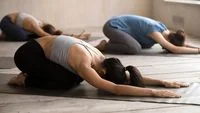
Child’s pose is a resting posture that exerts mild, sustained pressure on the abdomen against the thighs. By kneeling, sitting back onto the heels, and extending the arms forward on the floor with the forehead resting down, the body enters a state of parasympathetic dominance. The gentle compression of the thighs against the belly aids in physical gas release, while the restorative nature of the pose lowers cortisol levels, indirectly easing stress-induced gut spasms. -
Happy Baby Pose (Ananda Balasana)
The happy baby pose opens the hips and pelvis while decompressing the lower spine. By lying on the back, grabbing the outer edges of the feet, and pulling the knees down toward the armpits, the pelvic floor muscles lengthen and relax. This specific alignment opens the lower abdominal basin, reducing tension that can trap gas in the rectosigmoid colon. -
Yogic Squat (Malasana)
A deep squat mimics the natural, evolutionary posture for human elimination and digestive release. By lowering the hips deeply between the feet with the heels flat (or supported if necessary) and bringing the palms together at the chest while pressing the elbows gently against the inner knees, the anorectal angle straightens. This posture naturally facilitates the expulsion of flatulence and relieves acute lower abdominal pressure. -
Seated Forward Slump or Compression
While slouching is generally discouraged for posture, a controlled, supported seated forward fold can gently compress the viscera when performed with rounded shoulders and a relaxed neck. Sitting on the edge of a chair and letting the torso drape over the thighs allows gravity to assist in applying mild pressure to the digestive organs, offering a discreet option for individuals experiencing bloating in office or public environments.
Supporting Data and Expert Perspectives
Medical research underscores the validity of incorporating movement into digestive care. Gastroenterology studies consistently demonstrate that mild physical activity accelerates gastric emptying and reduces intestinal transit times. A study published in the World Journal of Gastroenterology noted that light physical activity post-meal significantly decreased subjective ratings of abdominal fullness and bloating compared to immediate post-meal rest.
Furthermore, holistic health practitioners emphasize that bloating is frequently exacerbated by visceral hypersensitivity—a condition where the nerves in the gut become overly sensitive to normal physiological processes, such as the movement of gas. By calming the nervous system through mindful breathing during stretching routines, individuals can down-regulate this sensitivity, reducing the perception of pain and discomfort associated with minor distension.
Implications and Broader Impact on Public Health
The popularization of simple, movement-based remedies for bloating carries significant implications for public health and self-care literacy. As healthcare costs rise and chronic gastrointestinal disorders become increasingly prevalent, empowering individuals with non-invasive, cost-free interventions reduces reliance on unnecessary pharmaceuticals.
Moreover, destigmatizing conversations around normal bodily functions like bloating, gas, and flatulence encourages proactive health management. Rather than enduring discomfort or masking symptoms with temporary fixes, individuals can utilize targeted stretching as part of a daily wellness routine to support long-term gut health, enhance digestive resilience, and improve overall quality of life. Integrating these accessible physical practices bridges the gap between ancient somatic wisdom and modern physiological science, offering a sustainable path toward digestive comfort.