
Sweet Potato Bread I
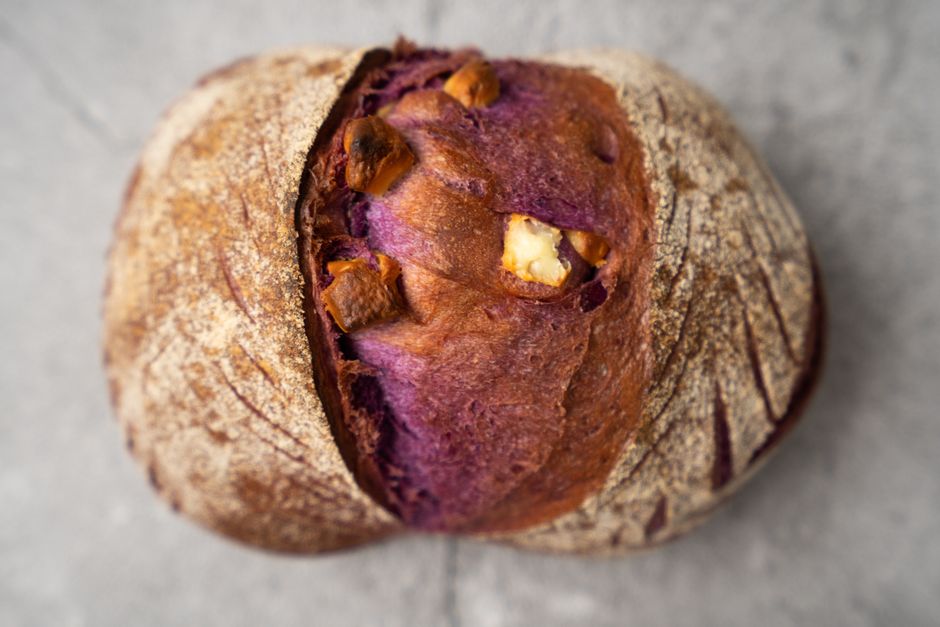
The Ultimate Guide to Sweet Potato Bread: From Simple Loaves to Savory Delights
Sweet potato bread, a deceptively simple yet profoundly satisfying baked good, offers a unique combination of natural sweetness, moist texture, and a subtly earthy flavor that elevates it far beyond your average quick bread. Its versatility is its true strength, allowing it to seamlessly transition from a comforting breakfast staple to a sophisticated dessert or even a savory accompaniment. This comprehensive guide explores the world of sweet potato bread, delving into its core components, baking techniques, flavor profiles, and creative variations, all while optimizing for search engines to help you discover and master this delightful creation.
The foundational element of any sweet potato bread recipe is, of course, the sweet potato itself. Not all sweet potatoes are created equal when it comes to baking. For the best results, opt for varieties with moist, deep orange flesh, such as Beauregard, Garnet, or Jewel. These varieties contribute a vibrant color, a pronounced sweetness, and a superior moisture content that is crucial for a tender crumb. The preparation of the sweet potato is equally important. Roasting is the preferred method for intensifying the natural sugars and achieving a smooth, lump-free puree. To roast, simply wash and prick whole sweet potatoes with a fork, then bake them in a preheated oven at around 400°F (200°C) until fork-tender. This can take anywhere from 45 minutes to over an hour, depending on the size of the potatoes. Once cooled, the flesh can be easily scooped out and mashed or pureed in a food processor. Boiling is an alternative, but it can introduce excess water, potentially leading to a denser, gummier bread. If boiling, ensure the sweet potatoes are drained very thoroughly.
Beyond the sweet potato, the dry ingredients form the backbone of the bread’s structure. All-purpose flour is the most common choice, providing a good balance of gluten for structure without being overly tough. For those seeking a healthier alternative or a different flavor profile, whole wheat flour can be incorporated, though it may result in a slightly denser loaf. Spelt flour or a gluten-free blend can also be used, requiring adjustments in liquid content and potentially binding agents like xanthan gum for gluten-free versions. Baking powder and baking soda are the leavening agents, working in tandem to create a light and airy texture. Baking powder provides a single action rise when exposed to moisture and heat, while baking soda requires an acidic component to activate and provides a double action rise. Salt is essential for enhancing the overall flavor, balancing the sweetness, and strengthening the gluten structure. Sugar, while the sweet potato contributes natural sweetness, is still typically added to further enhance flavor and aid in browning. Granulated sugar is standard, but brown sugar, with its molasses content, adds a deeper, caramel-like note and contributes to moisture retention.
The wet ingredients bind everything together and contribute to the bread’s signature moistness. Eggs act as a binder, emulsifier, and contribute to richness. Their size can impact the final texture, so using large eggs is generally recommended. Fat is crucial for tenderness and moisture. Melted butter adds a rich, buttery flavor, while vegetable oil or other neutral oils (like canola or grapeseed) contribute a consistent moistness without an overpowering flavor. Some recipes might even use coconut oil for a subtle tropical note. Milk, buttermilk, or even yogurt can be used as the primary liquid. Buttermilk, with its acidity, reacts with baking soda to produce an extra tender crumb and a slightly tangy flavor that complements the sweet potato. Yogurt offers a similar tang and contributes significant moisture. Vanilla extract is a classic addition, enhancing the sweet and savory notes of the sweet potato.
The baking process itself is relatively straightforward for quick breads. The key is to avoid overmixing once the wet and dry ingredients are combined. Overmixing develops the gluten in the flour excessively, resulting in a tough, rubbery loaf. Mix the dry ingredients in one bowl and the wet ingredients (including the pureed sweet potato) in another. Then, gently fold the dry ingredients into the wet ingredients until just combined, with a few small lumps of flour remaining. Overmixing is a common pitfall that can significantly detract from the desired texture. The batter should be thick but pourable. Pour the batter into a prepared loaf pan, typically greased and floured or lined with parchment paper, and bake in a preheated oven, usually between 350°F and 375°F (175°C and 190°C). Baking time will vary depending on the size of the loaf and your oven, but it typically ranges from 50 to 70 minutes. A wooden skewer or toothpick inserted into the center should come out clean when the bread is done. Cooling is also an important step. Allow the bread to cool in the pan for about 10-15 minutes before inverting it onto a wire rack to cool completely. This prevents the loaf from steaming and becoming soggy.
The beauty of sweet potato bread lies in its inherent adaptability to a wide array of flavor profiles. The natural sweetness of the sweet potato pairs exceptionally well with warm spices. Cinnamon, nutmeg, cloves, and ginger are classic companions, creating a cozy, autumnal aroma and taste. A touch of allspice can add further depth. For a more complex spice profile, consider a blend of cardamom or even a pinch of black pepper for a surprising warmth. Beyond spices, citrus zest, particularly orange or lemon, can cut through the richness and add a bright, refreshing counterpoint. Chocolate chips, whether milk, dark, or white, are a popular addition, transforming the bread into a decadent dessert or a comforting snack. Chopped nuts, such as walnuts or pecans, add a delightful crunch and nutty flavor. Dried fruits, like raisins, cranberries, or chopped dates, offer pockets of chewy sweetness and additional texture.
Moving beyond the sweet realm, sweet potato bread can also be surprisingly effective in savory applications. Reducing or omitting the sugar and adding ingredients like roasted garlic, caramelized onions, fresh herbs (rosemary, thyme, sage), shredded cheese (cheddar, Gruyère, Parmesan), or even a touch of chili powder can create a versatile bread perfect for serving alongside soups, stews, or as a base for open-faced sandwiches. The natural sweetness of the sweet potato can even complement the savory elements, creating a unique and nuanced flavor profile. For example, a sweet potato and rosemary bread with a hint of black pepper can be a revelation.
When considering variations, the possibilities are virtually endless. Muffin versions are a quicker, individual-portioned alternative, perfect for grab-and-go breakfasts or snacks. Simply adjust the baking time to 20-25 minutes. Mini loaves are ideal for gifting or for smaller households. A swirl of cream cheese frosting or a simple glaze of powdered sugar and milk can elevate a sweet potato bread from humble to celebratory. For a more rustic approach, consider topping the batter with a streusel crumble made from flour, sugar, butter, and cinnamon before baking.
Nutritional considerations also play a role for many home bakers. Sweet potatoes themselves are a good source of vitamin A, vitamin C, and fiber. By incorporating whole wheat flour and reducing added sugar, you can create a healthier sweet potato bread that offers sustained energy. Using unsweetened applesauce as a partial replacement for fat can also reduce calorie and fat content. For those with dietary restrictions, gluten-free flours and dairy-free milk alternatives can be readily substituted.
The shelf life of sweet potato bread is generally quite good due to its moisture content. Stored in an airtight container at room temperature, it can last for 3-4 days. Refrigeration can extend its shelf life to about a week, but it may slightly dry out the bread. Freezing is an excellent option for longer storage. Wrap the cooled loaf tightly in plastic wrap, then in aluminum foil, or place it in a freezer-safe bag. It can be frozen for up to 3 months. Thaw at room temperature or gently reheat in a low oven.
In conclusion, sweet potato bread is a foundational recipe with an expansive reach. Its inherent moistness, subtle sweetness, and adaptability make it a staple for both casual bakers and adventurous culinary explorers. By understanding the core ingredients, mastering basic techniques, and embracing creative flavor pairings, you can unlock the full potential of this remarkable baked good, creating loaves that are not only delicious but also visually appealing and perfectly suited to any occasion. Whether you’re seeking a comforting classic or an innovative savory creation, sweet potato bread offers a rewarding and flavorful journey.
