
Saturday, July 25, 2026, 17:20 WIB
Jakarta, CNN Indonesia — The reluctance of children to utter the words "I’m sorry" can often leave parents feeling disappointed or perplexed. This behavior is sometimes misconstrued as defiance or a lack of good manners. However, understanding the underlying reasons for a child’s difficulty in apologizing is crucial for effective parenting. The ability to offer a sincere apology is deeply intertwined with a child’s emotional development, their capacity for empathy, and their burgeoning self-awareness. Simply forcing a child to say "sorry" does not guarantee they comprehend the true meaning or significance of the act.
Parents play a pivotal role in nurturing these essential social and emotional skills. The developmental journey of a child involves significant progress in cognitive abilities, emotional regulation, and social understanding. During the early years, these capacities are still forming, and a child’s response to perceived wrongdoing is often a reflection of their current developmental stage rather than a deliberate act of disrespect.
Research in developmental psychology suggests that several factors contribute to a child’s hesitation or inability to apologize. These range from incomplete cognitive development to deeply ingrained emotional responses and environmental influences. By identifying these potential causes, parents can adopt more supportive and effective strategies to guide their children toward genuine remorse and accountability.
The Developmental Roots of Apology: Empathy and Cognitive Maturity
One of the primary reasons children find it difficult to apologize stems from the incomplete development of their empathy. According to research published by institutions like the Harvard Center on the Developing Child, empathy—the ability to understand and share the feelings of another—is a complex skill that blossoms over time. For very young children, typically before the age of four or five, their cognitive framework is still largely egocentric. This means they struggle to fully grasp that their actions can cause distress or pain to others, even if they witness the emotional reaction.
While a young child might recognize that their parent is upset or that they are being instructed to apologize, they may not genuinely comprehend why their behavior was wrong or the emotional impact it had on the recipient. This is not a sign of malice but rather a reflection of their limited capacity to mentally step into another person’s shoes. The neurological pathways supporting advanced social cognition and emotional perspective-taking are still under construction during these formative years. Studies in developmental psychology have shown a correlation between the maturation of the prefrontal cortex and the development of empathic responses. As this brain region develops, children become better equipped to process social cues, understand abstract concepts like fairness, and regulate their own emotional responses, all of which are foundational for sincere apologies.
The Pitfalls of Forced Apologies
Compelling a child to apologize when they do not understand the offense or its consequences can be counterproductive. When children are forced to say "sorry," they learn to associate the act of apologizing with a mere verbal performance, a means to an end, rather than an expression of genuine regret. This can lead to a superficial understanding of accountability. Instead of internalizing the importance of making amends, they may develop the belief that saying "sorry" is simply a formality to appease adults and move past unpleasant situations.
This can have long-term implications for their character development. If apologies are perceived as empty rituals, children may fail to develop a strong sense of personal responsibility for their actions. They might learn to offer apologies strategically, without any accompanying remorse, potentially hindering the development of authentic interpersonal skills. This approach can inadvertently teach children to prioritize the avoidance of punishment over the cultivation of ethical behavior and relational repair.
The Overwhelming Shadow of Shame
A powerful, and often overlooked, reason for a child’s reluctance to apologize is excessive shame. Psychological research distinguishes between guilt and shame. Guilt arises when a child recognizes that their behavior was wrong. Shame, however, is a more damaging emotion that makes a child believe they are fundamentally bad or flawed. When a child experiences shame, the act of apologizing can feel like an admission that they are inherently unworthy or inadequate.
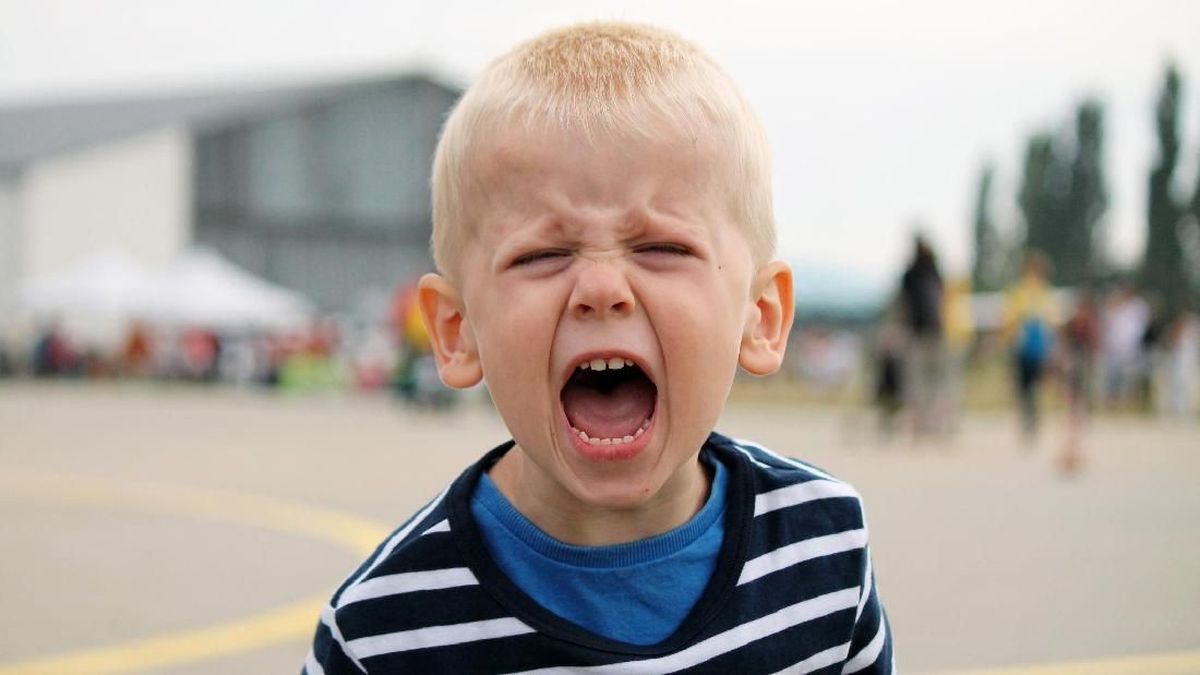
This deeply ingrained feeling of inadequacy can lead to a defensive posture. Instead of facing the perceived judgment associated with admitting fault, the child may resort to denial, deflection, or outright refusal to apologize as a protective mechanism for their fragile self-esteem. This is particularly prevalent in children who are highly sensitive or have experienced significant criticism. In such cases, the act of apologizing is not just about acknowledging a mistake but about confronting a perceived indictment of their very being. Parents who consistently highlight a child’s flaws or make them feel like a disappointment can inadvertently foster these shame-based reactions.
The Cycle of Blame and Defensiveness
Children who frequently find themselves on the receiving end of accusatory language may develop a defensive mindset that makes apologizing incredibly difficult. Phrases like "Why are you always like this?" or "What is wrong with you?" can amplify feelings of shame and foster a sense of being perpetually misunderstood or targeted. When a child consistently feels blamed, their primary focus shifts from reflecting on their actions to protecting themselves from perceived attacks.
This pattern of communication can lead to a learned behavior where the child anticipates criticism and reacts defensively even before fully processing their own role in a situation. They may become adept at deflecting responsibility or finding reasons to justify their behavior, as their internal narrative is dominated by a need for self-preservation rather than introspection. Conversely, a supportive environment where a child feels understood and validated, even when they have made a mistake, can create a safer space for them to acknowledge their role and accept accountability. This fosters a sense of trust and encourages open communication, making it more likely for them to engage in genuine apologies when appropriate.
Beyond Words: Understanding the Act of Making Amends
The concept of an apology is not always limited to verbal expressions. For children, understanding how to rectify a mistake is a crucial component of making amends. If a child has broken a toy, for instance, simply saying "sorry" might not feel sufficient. They need to understand that contributing to the repair or offering to help in some way is a tangible demonstration of their regret.
When children are not taught or do not understand how to make amends through actions, their apologies can feel hollow. This is particularly true for younger children who are still learning about cause and effect and the practicalities of problem-solving. Guiding them to participate in fixing what they have damaged, helping to clean up a mess they’ve made, or performing an act of kindness for the person they have upset can provide a more concrete and meaningful way to express remorse. This approach teaches them that apologies are not just about words but about taking active steps to restore balance and demonstrate care. This practical application of responsibility is a vital lesson in building character and fostering strong relationships.
The Power of Parental Example
Perhaps one of the most profound influences on a child’s ability to apologize is the example set by their parents. Children are keen observers, and they learn by watching the adults around them. When parents model the behavior they wish to see, it carries significant weight. This means that parents should also be willing to apologize when they make mistakes, not just to other adults but also to their children.
A parent who can admit to their own errors, express genuine remorse, and make amends teaches their child that apologizing is a sign of strength, not weakness. It demonstrates that everyone makes mistakes and that the ability to acknowledge them and seek forgiveness is a hallmark of emotional maturity and respect for others’ feelings. This creates a reciprocal environment where children feel safer to be vulnerable and admit their own shortcomings. It shifts the perception of apologies from a punitive measure to a valuable tool for building and maintaining healthy relationships.
The implications of this learned behavior extend far beyond childhood. Individuals who grow up in environments where apologies are modeled and encouraged are more likely to develop into adults who are capable of taking responsibility, fostering trust, and navigating conflicts constructively. Conversely, environments where mistakes are met with harsh criticism or where apologies are absent can lead to individuals who struggle with accountability and interpersonal connection throughout their lives.
In conclusion, understanding the multifaceted reasons why children may struggle to apologize is paramount for parents. By recognizing that these difficulties are often rooted in developmental stages, emotional responses, or learned behaviors, parents can move away from punitive approaches and towards supportive guidance. Nurturing empathy, avoiding forced apologies, addressing shame, fostering open communication, teaching practical amends, and, crucially, modeling sincere apologies are all vital strategies in helping children develop this essential life skill. This developmental journey, guided by informed and compassionate parenting, ultimately shapes not only a child’s ability to apologize but also their capacity for authentic connection and responsible citizenship.