Vietnam Reclaims Crown as Asia Leading Destination at 2026 World Travel Awards Marking Sixth Consecutive Victory

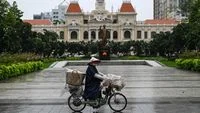
The Socialist Republic of Vietnam has once again solidified its standing as the undisputed powerhouse of Southeast Asian tourism by securing the highly coveted title of Asia Leading Destination at the prestigious World Travel Awards 2026. Announced during a high-profile regional gala ceremony held on Sunday, this latest accolade marks the sixth consecutive year that Vietnam has claimed the top overall regional honor, outshining a formidable roster of regional tourism hubs, including Thailand, Malaysia, Singapore, and Indonesia.
The triumph underscores Vietnam’s enduring appeal to international travelers, driven by a harmonious blend of breathtaking natural landscapes, rich cultural heritage, world-class culinary traditions, and a steadfast commitment to strategic tourism development. Beyond the overarching national title, Vietnam’s tourism ecosystem dominated multiple specialized categories, sweeping awards across diverse sectors from urban business travel and cultural tourism to nascent ecological destinations and ancient natural wonders.
A Comprehensive Sweep Across Regional Categories
The World Travel Awards Asia and Oceania gala served as a showcase for Vietnam’s multifaceted tourism portfolio, highlighting the country’s capacity to cater to diverse traveler demographics. In the bustling urban sector, Ho Chi Minh City—the nation’s southern economic engine—fended off intense competition from regional heavyweights such as Singapore, Shanghai, and Hong Kong to be crowned Asia Leading Business Travel Destination. This victory reflects the metropolis’s rapid modernization, booming MICE (Meetings, Incentives, Conferences, and Exhibitions) infrastructure, and its growing appeal to corporate executives and digital nomads alike.
Meanwhile, the nation’s historical capital, Hanoi, captured the imagination of urban explorers by securing the title of Asia Leading City Break Destination. Known for its atmospheric Old Quarter, French colonial architecture, and burgeoning culinary scene, Hanoi continues to cement its reputation as an essential short-stay urban escape in Southeast Asia.
Cultural and natural landscapes also claimed significant the spotlight. The Tam Chuc Complex in Ha Nam Province was distinguished as Asia Leading Cultural Tourist Attraction, celebrating its monumental architecture and its role as a spiritual sanctuary. In the northern highlands, the remote peaks of Ta Xua, towering at an elevation of 2,800 meters above sea level, made a historic debut by winning Asia Leading Emerging Tourism Destination. Ta Xua has rapidly gained viral acclaim among adventure seekers and photography enthusiasts for its ethereal "cloud-hunting" phenomena, where visitors can witness vast, rolling seas of fog blanketing the mountain valleys.
Further north, the pastoral highlands of Moc Chau were officially recognized as Asia Leading Regional Nature Destination, celebrated for its expansive tea plantations, cascading waterfalls, and vibrant indigenous cultures.
Conservation Excellence at Phong Nha – Ke Bang
In the realm of ecological preservation and sustainable tourism, the central region of Vietnam received global validation as the Phong Nha – Ke Bang National Park was named Asia Leading National Park. Spanning an impressive 900 square kilometers, this ecological marvel has held UNESCO World Heritage status since 2003.
Geologically, Phong Nha – Ke Bang is renowned for housing some of the planet’s most ancient karst formations, with limestone structures dating back approximately 400 million years. The park harbors an intricate labyrinth of over 300 subterranean caves and grottoes, most notably the colossal Son Doong Cave—recognized globally as the largest natural cave passage known to humanity. The award highlights Vietnam’s ongoing efforts to balance high-value ecological tourism with rigorous environmental conservation, ensuring that these subterranean wonders remain protected for future generations.
The World Travel Awards: The Oscars of the Travel Industry
Established in 1993, the World Travel Awards are widely acknowledged across the global travel and tourism sector as the ultimate benchmark of industry excellence, frequently referred to by media organizations as the "Oscars of the Travel Industry." The annual program was established to acknowledge, reward, and celebrate excellence across all key sectors of the travel, tourism, and hospitality industries.
The voting process is exhaustive and rigorous, relying upon a dual-track system. Votes are cast globally by qualified professionals working within travel, hospitality, and tourism—including senior executives, travel buyers, and tour operators—as well as by high-end consumers and everyday travelers. Winning an accolade of this magnitude carries immense marketing and diplomatic weight, serving as a powerful catalyst for incoming foreign direct investment (FDI) into hospitality infrastructure and signaling a nation’s competitive edge on the global stage.
Chronology of Vietnam’s Tourism Resurgence
Vietnam’s path to becoming a six-time consecutive winner of the Asia Leading Destination title has been characterized by strategic policy shifts, aggressive infrastructure modernization, and a remarkable recovery following global disruptions earlier in the decade.
Following the global health crises of the early 2020s, Vietnam was among the first nations in Southeast Asia to fully reopen its borders without quarantine restrictions in March 2022. This decisive action provided the country with a crucial first-mover advantage. Throughout 2023 and 2024, the Vietnamese government streamlined its visa policies, introducing e-visas for citizens of all countries and territories and extending the allowable stay for tourists from 30 to 90 days. These regulatory adjustments dramatically lowered barriers to entry, triggering an immediate surge in long-haul arrivals from Europe, North America, and neighboring Asian markets.
By 2025, international visitor arrivals to Vietnam nearly surpassed pre-pandemic benchmarks, with over 17 million foreign tourists recorded. Investment in regional connectivity also accelerated, featuring expanded international routes into secondary hubs like Da Nang, Phu Quoc, and Cam Ranh, alongside significant upgrades to domestic highway networks connecting metropolitan centers to remote mountain enclaves like Sa Pa, Ha Giang, and Ta Xua.
Economic and Strategic Implications
The implications of Vietnam’s continued dominance at the World Travel Awards extend far beyond prestige; they serve as a powerful macroeconomic driver. Tourism contributes significantly to Vietnam’s Gross Domestic Product (GDP), generating millions of direct and indirect jobs in hospitality, aviation, food services, and retail.
Industry analysts suggest that the accumulation of consecutive international accolades enhances investor confidence, steering capital toward sustainable luxury resorts, eco-lodges, and transportation infrastructure. Furthermore, as travelers increasingly seek destinations that offer authentic cultural immersion combined with environmental sustainability, Vietnam’s diversified wins—ranging from corporate hubs like Ho Chi Minh City to fragile ecosystems like Phong Nha – Ke Bang—demonstrate a mature, well-rounded national tourism strategy.
However, industry experts also emphasize the challenges that accompany such rapid success. Managing carrying capacities in sensitive environments like the karst caves of Quang Binh or the highland trails of Ta Xua will require stringent regulatory oversight to prevent over-tourism and environmental degradation. Maintaining a balance between commercial expansion and ecological preservation remains paramount as Vietnam looks toward the remainder of the decade.
As the global travel landscape continues to evolve, Vietnam’s triumphant performance at the 2026 World Travel Awards signals that the nation is not resting on its laurels. By leveraging its rich historical heritage, prioritizing ecological conservation, and continuously modernizing its urban infrastructure, Vietnam has successfully redefined what it means to be a premier tourism destination in the 21st century.