
Sous Vide Cold Brew Coffee
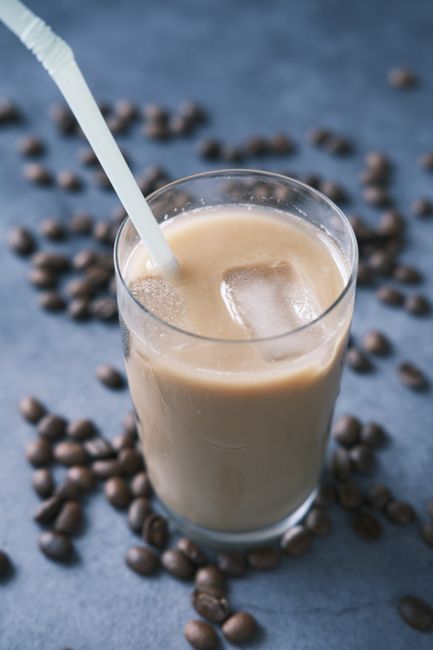
Unlock Smoother, Richer Cold Brew: The Sous Vide Revolution
Sous vide, a cooking technique renowned for its precision temperature control, is quietly transforming the world of cold brew coffee. Moving beyond its culinary origins, sous vide offers a revolutionary approach to extracting the delicate flavors of coffee beans, resulting in a cold brew that is exceptionally smooth, remarkably rich, and boasts a complex flavor profile previously difficult to achieve through traditional immersion methods. This article delves deep into the science and practice of sous vide cold brew, exploring its advantages, the optimal parameters, equipment considerations, and troubleshooting common issues. For coffee enthusiasts seeking to elevate their home brewing experience, mastering sous vide cold brew unlocks a new level of coffee perfection.
The fundamental principle behind sous vide cold brew lies in controlled, consistent, and slightly elevated temperatures. Traditional cold brew relies on steeping coffee grounds in cold or room-temperature water for extended periods, typically 12-24 hours. While effective, this slow extraction can sometimes lead to underdeveloped flavors or an overly bitter profile depending on the bean and grind size. Sous vide, conversely, utilizes a water bath heated to a precise temperature, usually between 60°C (140°F) and 75°C (167°F). This moderate heat accelerates the extraction process significantly, reducing brew times to a fraction of traditional methods – often just 1-4 hours. Crucially, this elevated temperature, while warmer than traditional cold brew, is still too low to trigger the formation of bitter compounds that arise from high-temperature brewing. The controlled environment ensures that desirable flavor compounds, such as aromatic oils and subtle fruity or floral notes, are extracted efficiently and consistently, while less desirable bitter elements remain largely unextracted. This creates a balanced and nuanced beverage.
The advantages of sous vide cold brew are manifold, directly addressing common pain points associated with traditional cold brew. Foremost is the reduction in brew time. The 12-24 hour wait for a full batch of traditional cold brew can be a significant deterrent for spontaneous consumption or for those with limited patience. Sous vide slashes this time to 1-4 hours, allowing for fresh batches on demand. This speed doesn’t come at the expense of quality; in fact, it often enhances it. The controlled temperature optimizes the extraction of soluble solids, leading to a more concentrated and flavorful concentrate. This concentrate can then be diluted to taste, offering unparalleled versatility. Furthermore, the consistency of sous vide brewing is a game-changer. Once you dial in your preferred temperature and steep time for a specific bean, you can reliably replicate those results time and again. This eliminates the guesswork and variability often encountered with immersion methods, where minor fluctuations in water temperature or steeping duration can lead to noticeable differences in the final brew. The resulting cold brew is also remarkably smooth. The moderate heat gently coaxes out the coffee’s inherent sweetness and desirable acids without over-extracting tannins, which are a primary contributor to bitterness and astringency in coffee. This results in a velvety texture and a clean finish, making it exceptionally palatable even for those sensitive to caffeine or bitterness.
To embark on your sous vide cold brew journey, a few key pieces of equipment are necessary. The cornerstone is a sous vide immersion circulator. These devices clamp onto the side of a pot or container and precisely heat and circulate the water, maintaining a stable temperature throughout the brewing process. Brands like Anova, Joule, and Gourmia offer reliable and user-friendly options. You’ll also need a suitable vessel for your water bath. A large stockpot or a dedicated sous vide water bath container works well. The size of your vessel will dictate the quantity of cold brew you can produce. For coffee extraction, you’ll need a vacuum sealer and vacuum seal bags, or high-quality zip-top bags capable of withstanding the water bath temperature. Vacuum sealing is preferred as it ensures maximum contact between the coffee grounds and water and prevents any water from contaminating the coffee. If using zip-top bags, it’s crucial to use the water displacement method to remove as much air as possible before sealing. Finally, you’ll need a grinder for your coffee beans. A burr grinder is highly recommended for achieving a consistent, coarse grind, which is ideal for cold brewing and sous vide extraction. Blade grinders produce an inconsistent particle size, leading to uneven extraction.
The process of creating sous vide cold brew coffee involves several critical steps that, when executed correctly, yield exceptional results. Begin with high-quality coffee beans. The quality of your starting material will directly impact the final flavor of your cold brew. Experiment with different roasts and origins to discover your preferences. A medium to dark roast often works well, but lighter roasts can also yield interesting flavor profiles with sous vide. The grind size is paramount. For sous vide cold brew, a coarse, uniform grind is essential. This is similar to the grind size used for traditional cold brew. A grind that is too fine will lead to over-extraction and a cloudy brew, while a grind that is too coarse may result in under-extraction. Aim for a consistency resembling breadcrumbs or coarse sea salt. The coffee-to-water ratio is another crucial variable. A common starting point for sous vide cold brew concentrate is a 1:5 ratio (e.g., 100 grams of coffee to 500 grams of water). This ratio will produce a robust concentrate that can be diluted to your desired strength.
Once your beans are ground and your ratio is determined, it’s time to prepare the coffee for the sous vide bath. Place your ground coffee into your vacuum seal bag or zip-top bag. Carefully add the measured water to the bag, ensuring all the coffee grounds are submerged. If using vacuum seal bags, seal them according to your machine’s instructions. If using zip-top bags, employ the water displacement method: slowly submerge the bag in water, allowing the water pressure to push out the air before sealing it completely. This ensures optimal contact between the coffee and water.
Next, set up your sous vide water bath. Fill your chosen vessel with water and attach your immersion circulator. Set the temperature to your desired setting. For most coffees, a temperature between 60°C (140°F) and 70°C (158°F) is a good starting point. Lower temperatures will yield a more delicate extraction, while slightly higher temperatures will accelerate the process and can bring out different flavor notes. Experimentation is key here. Once the water bath reaches the set temperature, carefully submerge your sealed coffee bags. Ensure they are fully immersed and not floating.
The steep time for sous vide cold brew is significantly shorter than traditional methods, typically ranging from 1 to 4 hours. The exact time will depend on the temperature you’ve chosen, the roast of your coffee, and your desired strength. A 1-hour steep at a higher temperature (e.g., 70°C) might yield a similar extraction to a 3-hour steep at a lower temperature (e.g., 60°C). Start with a shorter steep time and taste the resulting concentrate. You can always steep for longer if you desire a stronger flavor. After the steeping period, carefully remove the bags from the water bath.
The final step is to separate the coffee concentrate from the grounds. This can be done using a fine-mesh sieve, cheesecloth, or a French press. If using a sieve lined with cheesecloth, pour the contents of the bag through the sieve into a clean container. Allow gravity to do its work. You may need to gently press the grounds to extract all the liquid, but avoid squeezing too forcefully, as this can introduce bitterness. Once you have your cold brew concentrate, you can store it in an airtight container in the refrigerator for up to two weeks. To serve, dilute the concentrate with water or your milk of choice to your preferred strength. A common starting point for dilution is a 1:1 ratio of concentrate to water or milk.
Troubleshooting common issues in sous vide cold brew is essential for refining your technique and achieving consistently excellent results. One frequent problem is a bitter or astringent taste. This is often due to over-extraction, which can be caused by too fine a grind, too high a brewing temperature, or too long a steep time. If you encounter bitterness, try a coarser grind, lower your brewing temperature by a few degrees, or reduce your steep time. Conversely, a weak or underdeveloped flavor suggests under-extraction. This can be remedied by using a finer grind, increasing the brewing temperature slightly, or extending the steep time. Another issue can be cloudiness in the brew. This is typically caused by a grind that is too fine, leading to excessive sediment passing through your filtration. Using a coarser grind and a more thorough filtration method can resolve this. If your concentrate doesn’t taste as strong as you’d like, even after dilution, you may need to adjust your coffee-to-water ratio, using more coffee for the same amount of water in your initial steep. Consistency is key with sous vide, so meticulously recording your parameters – bean origin, roast level, grind size, coffee-to-water ratio, temperature, and steep time – will be invaluable for future adjustments and replication.
The exploration of sous vide cold brew extends beyond basic extraction. Advanced techniques and ingredient experimentation can further elevate your coffee experience. Consider pre-infusing your coffee grounds with a small amount of water at room temperature for 30 minutes to an hour before sealing them in the bag for sous vide. This "bloom" allows CO2 to escape, potentially leading to a more even extraction. Experimenting with different water temperatures can unlock unique flavor profiles. Lower temperatures (around 50-55°C or 122-131°F) will yield a very delicate and nuanced brew, highlighting subtle floral or fruity notes. Higher temperatures (closer to 75°C or 167°F) will accelerate extraction and can bring out deeper, chocolatey, or nutty notes. However, it’s crucial to avoid exceeding 75°C to prevent the extraction of bitter compounds. The choice of coffee bean is also a significant factor. While medium to dark roasts are popular, don’t shy away from experimenting with lighter roasts. Sous vide’s controlled environment can bring out the inherent acidity and delicate aromatics of lighter roasts in a way that traditional cold brew sometimes struggles to achieve.
The journey into sous vide cold brew is an ongoing exploration of flavor and technique. By understanding the principles of controlled extraction and diligently experimenting with variables, home baristas can unlock a world of smoother, richer, and more nuanced cold brew coffee. The precision offered by sous vide technology empowers you to move beyond generic recipes and craft a cold brew that perfectly aligns with your palate. Whether you’re a seasoned coffee connoisseur or a curious newcomer, the sous vide method presents an accessible and incredibly rewarding path to achieving coffee perfection.
