
Authentic No Shortcuts Louisiana Red Beans And Rice 2
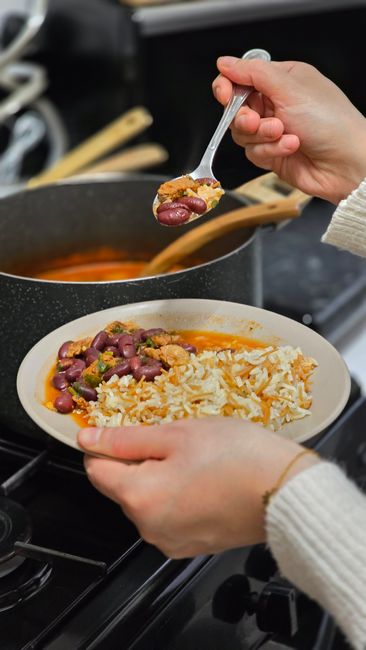
Authentic No-Shortcuts Louisiana Red Beans and Rice: A Culinary Pilgrimage
The pursuit of truly authentic Louisiana red beans and rice is not a matter of speed or convenience; it’s a dedication to time-honored technique, quality ingredients, and an unwavering respect for tradition. This is not the weeknight version, rushed and compromised. This is the red beans and rice that defines a Monday, a tradition deeply ingrained in the cultural fabric of Louisiana, particularly New Orleans. It’s a dish that speaks of community, history, and the soulful rhythm of Creole and Cajun cooking. Achieving this level of authenticity requires a commitment to a multi-stage process, beginning with the foundational elements and culminating in a stew of unparalleled depth and complexity. Forget pre-packaged seasonings, instant rice, or hurried simmering. This is a culinary pilgrimage that rewards patience with an explosion of flavor and a truly transcendent dining experience.
The cornerstone of authentic red beans and rice is, undoubtedly, the red kidney bean itself. Not all beans are created equal, and for this dish, the specific variety and quality are paramount. Louisiana grown red kidney beans, if accessible, are ideal due to their inherent flavor profile and texture when cooked low and slow. If not available, seek out high-quality, dried red kidney beans from reputable suppliers, prioritizing those that appear plump and unblemished. Soaking is not a shortcut; it’s an essential step in achieving the perfect texture. Overnight soaking, at least 8-12 hours, allows the beans to rehydrate evenly, ensuring they cook through to a tender, creamy consistency without becoming mushy or disintegrating entirely. Some cooks advocate for a quick boil and soak for older beans, but for the purest flavor and texture, a long, cold soak is the undisputed champion. The water used for soaking should be cold, and the beans should be thoroughly rinsed before cooking to remove any impurities or excess starch. This initial preparation sets the stage for the entire dish, influencing its ultimate mouthfeel and ability to absorb the aromatic flavors to come.
The “trinity” is the sacred aromatic foundation of virtually all Louisiana savory cooking, and red beans and rice are no exception. This fundamental trio, consisting of finely diced yellow onion, green bell pepper, and celery, must be prepared with care. The proportions are flexible, but a common starting point is a 2:1:1 ratio, with onion being the most abundant. The vegetables should be cut into small, uniform pieces, no larger than a quarter-inch. This ensures they soften and meld seamlessly into the simmering beans, releasing their sweet and pungent aromatics without leaving distinct, jarring chunks. The quality of the produce is also important; use fresh, firm vegetables that have a vibrant color. This trio is sautéed in rendered pork fat, a crucial element for building authentic flavor. While some might consider this an indulgence, it’s a non-negotiable component for achieving the characteristic richness and depth of flavor that defines true Louisiana red beans and rice.
The choice of pork is equally significant. Authentic red beans and rice are rarely made without some form of cured or smoked pork. Smoked ham hocks are the traditional choice, providing a profound depth of smoky, savory flavor and a gelatinous richness as they simmer with the beans. Alternatively, a smoked ham shank, diced pancetta, or even chunks of salt pork can be used. Some recipes call for a combination of pork elements. The key is to introduce a salty, smoky, and fatty component that will slowly release its essence into the stew. This pork is typically browned after the trinity has softened, rendering out its fat and creating a flavorful fond at the bottom of the pot. This fond, the caramelized bits stuck to the pan, is precious and must be scraped up and incorporated back into the dish with liquid. This process of browning and deglazing is a fundamental technique for developing complex flavors in any stew.
The cooking liquid is another critical consideration. While water can be used, chicken broth or vegetable broth, or even a combination, will elevate the flavor profile significantly. The broth should be low-sodium if using salty pork like ham hocks, allowing you to control the final seasoning. The liquid should be just enough to cover the beans and pork by about an inch. Once the beans are added to the pot with the sautéed trinity and browned pork, the simmering process begins. This is not a quick boil; it’s a long, slow simmer. The pot should be brought to a gentle boil and then immediately reduced to a bare simmer, where only a few bubbles occasionally break the surface. The lid should be partially ajar to allow some steam to escape, which helps to concentrate the flavors. The minimum simmering time for authentic red beans and rice is four hours, but many experienced cooks will simmer for six, eight, or even longer. The goal is for the beans to become incredibly tender and creamy, with some beans naturally breaking down and thickening the stew, creating that signature luscious texture.
Throughout the long simmering process, stirring is essential. The beans will settle to the bottom, and without regular stirring, they can scorch, leading to a burnt, unpleasant taste that will ruin the entire dish. Stir every 30-45 minutes, scraping the bottom of the pot to prevent sticking. As the beans cook, they will absorb liquid, and it will be necessary to add more broth or water periodically to maintain the desired consistency. This gradual absorption and thickening is what creates the rich, unctuous texture that is so characteristic of authentic red beans and rice. Towards the final hour of cooking, if the stew isn’t as thick as desired, mash some of the cooked beans against the side of the pot with the back of a spoon, or even remove a ladleful of beans, mash them, and return them to the pot. This is a natural thickening process, avoiding the need for any artificial thickeners.
Seasoning is an art form in Louisiana cooking, and red beans and rice benefit from a layered approach. Beyond the salt from the pork and broth, the trinity, and the pork fat, fresh garlic is a non-negotiable addition. Minced garlic should be added during the sautéing of the trinity, allowing its pungent flavor to meld with the vegetables. For an extra layer of savory depth, a bay leaf or two should be added to the pot during the simmering process. These aromatic leaves contribute a subtle, earthy note that complements the richness of the beans and pork. The heat element, crucial for balancing the richness, typically comes from cayenne pepper and black pepper. Some recipes incorporate smoked paprika for an additional smoky nuance. The key is to season gradually and taste often. The salt content will change as the liquid reduces, so it’s important to adjust as you go. A pinch of cayenne pepper can be added early, with more being added towards the end for a spicier kick, if desired.
The notion of “adding something to make it spicy” is often a point of contention. While hot sauce is an integral part of Louisiana cuisine, the base red beans and rice should possess a foundational level of flavor and heat. This is built through the ingredients and the cooking process, not solely through a liberal dousing of bottled sauce at the end. However, a good quality Louisiana-style hot sauce, like Tabasco or Crystal, is a welcome condiment for individual adjustment. The traditional accompaniments are also vital to the authentic experience. A mound of fluffy white rice, cooked separately and perfectly fluffy, is the ideal canvas for the rich red beans. The rice should be plain, allowing the complex flavors of the beans to shine. Another essential component is the garnishes. Freshly chopped green onions (scallions) provide a bright, fresh counterpoint to the richness of the stew. A sprinkle of fresh parsley adds a herbaceous note and visual appeal. Some purists might also add a dollop of Creole mustard or a slice of pickled jalapeño for an extra burst of acidity and heat.
The concept of "Mondays" in Louisiana is inextricably linked with red beans and rice. Traditionally, Mondays were laundry days, and the slow-cooking nature of red beans and rice was perfectly suited to this domestic task. The beans could simmer unattended for hours while laundry was being done. This tradition continues to be observed by many, making it a cherished ritual. The slow cooking also allows flavors to meld and deepen overnight, meaning that red beans and rice are often even better on the second day. This is a dish that is meant to be savored, shared, and passed down. It’s a testament to the power of simple ingredients, transformed by time, technique, and tradition into something truly extraordinary.
The “no shortcuts” philosophy extends to the quality of the ingredients and the respect for the process. It’s about understanding that the time invested in soaking, slow simmering, and careful seasoning is what unlocks the true potential of this iconic Louisiana dish. It’s about embracing the journey of cooking, not just the destination. The aroma that fills the kitchen during the hours of simmering is an experience in itself, a preview of the culinary delight to come. The eventual taste – the creamy, savory, slightly spicy, deeply flavorful red beans spooned over perfectly cooked rice, garnished with fresh herbs – is the ultimate reward. This is not merely food; it’s a culinary narrative, a taste of Louisiana history, and a powerful reminder that some of the greatest pleasures in life are found in the patient, deliberate pursuit of authenticity.
