
The Best Ricotta Pancakes
The Pinnacle of Fluff: Mastering the Art of the Best Ricotta Pancakes
Ricotta pancakes represent a culinary zenith, a breakfast experience elevated beyond the ordinary. Their inherent creaminess, delicate crumb, and subtle tang distinguish them from their buttermilk and standard flour counterparts. This article delves into the science and technique behind achieving ricotta pancakes that are not merely good, but undeniably the best. We will dissect the role of each ingredient, explore crucial preparation methods, and offer advanced tips to ensure a consistently superior result, transforming your breakfast table into a haven of cloud-like perfection. The secret lies in understanding how ricotta interacts with other components to create an ethereal texture and a complex, satisfying flavor profile.
The fundamental building blocks of superior ricotta pancakes are high-quality ingredients. The star, of course, is ricotta cheese. Opt for whole milk ricotta, ideally from a reputable Italian deli or a brand that emphasizes its creamy, less watery texture. Avoid pre-portioned, low-fat varieties, as they can introduce excess moisture and a less rich flavor, compromising the signature ricotta pancake mouthfeel. The fat content in whole milk ricotta contributes to a tender crumb and a more luxurious finish. The grain of the ricotta also matters; a finer curd will blend more seamlessly into the batter, creating a smoother texture. If you find your ricotta to be excessively watery, a simple draining process can be beneficial. Line a fine-mesh sieve with cheesecloth or a clean kitchen towel, place the ricotta in it, and let it sit over a bowl in the refrigerator for at least 30 minutes to an hour, allowing excess whey to drain. This crucial step prevents a gummy texture and ensures the ricotta contributes its intended richness and tenderness.
Flour is the structural backbone of any pancake, and for ricotta pancakes, a balance is key. All-purpose flour provides the necessary structure, but to avoid a tough pancake, overworking the batter must be avoided. Cake flour, with its lower protein content, can be used in conjunction with all-purpose flour to further enhance tenderness, though it’s not strictly necessary for achieving excellent results if the preparation is sound. The ratio of flour to wet ingredients is vital. Too much flour leads to dense, heavy pancakes, while too little can result in a batter that spreads too thinly and is difficult to cook. A standard ratio of approximately 1.5 cups of flour to the liquid components generally yields a good starting point, which will be adjusted by the ricotta and other wet ingredients.
Eggs are another critical component, serving as binders and leavening agents. In ricotta pancakes, the eggs are often separated, with the yolks incorporated into the batter for richness and emulsification, and the whites whipped to stiff peaks and folded in for incredible lightness. This technique, borrowed from soufflés and génoise sponges, is arguably the most impactful in achieving the signature cloud-like texture of the best ricotta pancakes. The lecithin in the egg yolks helps to emulsify the fats in the ricotta and butter, creating a smooth, cohesive batter. The whipped egg whites, when gently folded in, introduce air pockets that expand during cooking, resulting in an exceptionally fluffy and airy pancake. Over-whipping the egg whites can lead to a meringue-like texture that might collapse, so aiming for stiff, glossy peaks that hold their shape is paramount.
Dairy, beyond the ricotta itself, plays a supporting role. Milk, typically whole milk, is used to achieve the correct batter consistency. The amount of milk will vary depending on the moisture content of the ricotta. It’s best to add milk gradually until the desired pourable but not watery consistency is reached. A touch of melted butter or oil adds richness and helps prevent sticking during cooking, contributing to a more tender crumb and a golden-brown exterior. Some recipes also incorporate a small amount of sour cream or Greek yogurt for added tang and moisture, though this is often redundant with the ricotta.
Leavening agents are essential for lift. Baking powder is the primary leavener, reacting with liquid to produce carbon dioxide gas, which causes the batter to rise. Baking soda is sometimes included, particularly if there is an acidic component like buttermilk or lemon juice in the recipe, to activate a more vigorous rise. However, with ricotta, which has a mild acidity, baking powder alone is often sufficient. Using fresh, active leavening agents is non-negotiable for optimal fluffiness. Stale baking powder will result in flat, disappointing pancakes.
Flavor enhancers, while subtle, make a significant difference. A pinch of salt is crucial for balancing sweetness and bringing out the other flavors. Vanilla extract is a classic addition, complementing the dairy notes beautifully. A whisper of citrus zest, such as lemon or orange, can cut through the richness and add a bright, refreshing counterpoint, truly elevating the ricotta pancake experience. These aromatic additions are not meant to overpower but to harmoniously meld with the creamy ricotta.
The preparation technique is where the magic truly happens. The cardinal rule for achieving the best ricotta pancakes, and indeed most batters, is to avoid overmixing. Overmixing develops the gluten in the flour, leading to tough, rubbery pancakes. Combine the dry ingredients in one bowl and the wet ingredients, including the ricotta, in another. Gently fold the wet ingredients into the dry ingredients until just combined. A few small lumps are acceptable and far preferable to a completely smooth, overmixed batter. If you are separating your eggs, whip the whites to stiff peaks and then gently fold them into the batter in two or three additions, using a spatula with an under-and-over motion to preserve as much air as possible. This step requires a delicate touch.
Resting the batter, although sometimes overlooked, can also contribute to superior texture. Allowing the batter to sit for 10-15 minutes before cooking allows the flour to fully hydrate, resulting in a more tender crumb. This also gives the baking powder time to begin its leavening action.
Cooking the ricotta pancakes demands attention to detail. A non-stick skillet or a well-seasoned cast-iron pan is ideal. Medium-low heat is crucial. Too high a heat will scorch the exterior before the interior is cooked through, while too low a heat will result in pale, greasy pancakes. The batter should be poured in portions, about 1/4 to 1/3 cup per pancake, ensuring they have enough space to spread slightly without touching.
The visual cues for flipping are paramount. Wait until small bubbles appear on the surface of the pancake and the edges begin to look set. A gentle lift with a thin spatula will confirm that the underside is golden brown and releases easily. Flip the pancake and cook for another 1-2 minutes on the second side until golden and cooked through. Overcrowding the pan will lower the temperature of the cooking surface, leading to uneven cooking and a longer cooking time. Cook in batches, keeping cooked pancakes warm on a baking sheet in a low oven (around 200°F or 90°C) while you finish the remaining batter.
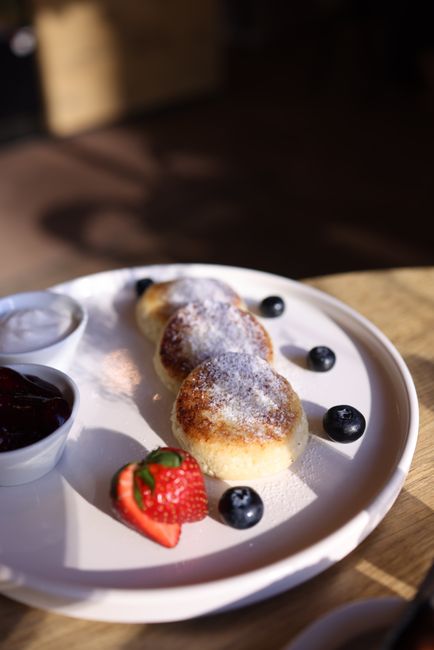
The serving of ricotta pancakes is an art form in itself, as the toppings can either enhance or detract from their inherent perfection. Traditionalists often opt for a generous pat of butter and a drizzle of pure maple syrup. The warmth of the butter melts into the pancake, and the rich sweetness of the maple syrup is a classic pairing. However, the versatility of ricotta pancakes allows for more adventurous toppings. Fresh berries – strawberries, blueberries, raspberries – offer a burst of freshness and a tart counterpoint to the creamy richness. A dollop of whipped cream, especially if lightly sweetened or infused with vanilla, adds another layer of indulgence. Lemon curd provides a vibrant citrus tang that beautifully complements the ricotta. A sprinkle of powdered sugar, while simple, adds an elegant finish and a touch of sweetness. For a more decadent experience, consider a compote of stone fruits, such as peaches or cherries, or even a savory element like prosciutto or crispy bacon, which can create an intriguing sweet and salty interplay. The key is to choose toppings that highlight, rather than mask, the delicate flavor and texture of the ricotta pancakes.
Troubleshooting common issues is a vital part of mastering the best ricotta pancakes. If your pancakes are dense and heavy, you likely overmixed the batter, or your leavening agents are stale. Ensure you are using fresh baking powder and folding the egg whites gently. If your pancakes are gummy, you may have used ricotta with too much whey, or the batter was too wet. Draining the ricotta beforehand and adjusting the liquid content carefully can prevent this. If the pancakes are sticking to the pan, your pan may not be hot enough, or it’s not adequately greased. Ensure your pan is preheated and add a small amount of butter or oil between batches. If the pancakes are cooking unevenly, the heat is too high, or the pan is not evenly heated. Lower the heat and ensure your pan is properly seasoned or non-stick.
The scientific principles behind ricotta pancakes are rooted in food chemistry. The protein in the flour, when hydrated, forms gluten. Excessive gluten development creates a tough, elastic network, which is undesirable for delicate pancakes. Ricotta, with its fat and protein content, coats the flour particles, hindering excessive gluten formation. The emulsifying properties of egg yolks help to create a stable batter, preventing separation. The mechanical leavening from whipped egg whites, combined with the chemical leavening from baking powder, creates the airy structure. During cooking, the heat causes the water in the batter to turn to steam, further expanding the air pockets and cooking the proteins, setting the structure of the pancake.
The inherent sweetness of ricotta is mild, making it a versatile base. The richness of whole milk ricotta provides a mouthfeel that cannot be replicated by other cheeses. Its slightly grainy texture, when properly incorporated, contributes to the overall tenderness. The tang of ricotta is subtle but important, preventing the pancakes from being cloyingly sweet. This nuanced flavor profile is what sets ricotta pancakes apart from their plainer counterparts.
In conclusion, the pursuit of the best ricotta pancakes is a journey that rewards attention to detail and a fundamental understanding of ingredients and technique. By selecting premium whole milk ricotta, meticulously preparing the batter with gentle folding and separated eggs, and cooking on a controlled medium-low heat, you can consistently achieve pancakes that are transcendently fluffy, tender, and flavorful. These are not merely breakfast items; they are an experience, a testament to the power of simple ingredients handled with care and precision, offering a truly unparalleled start to any day. Mastering these principles will elevate your pancake-making from ordinary to extraordinary, consistently producing a breakfast that is truly the best.
