
South Africas Viticultural Heritage Takes Center Stage As Old Vine Registry Reaches 10000 Vineyard Milestone
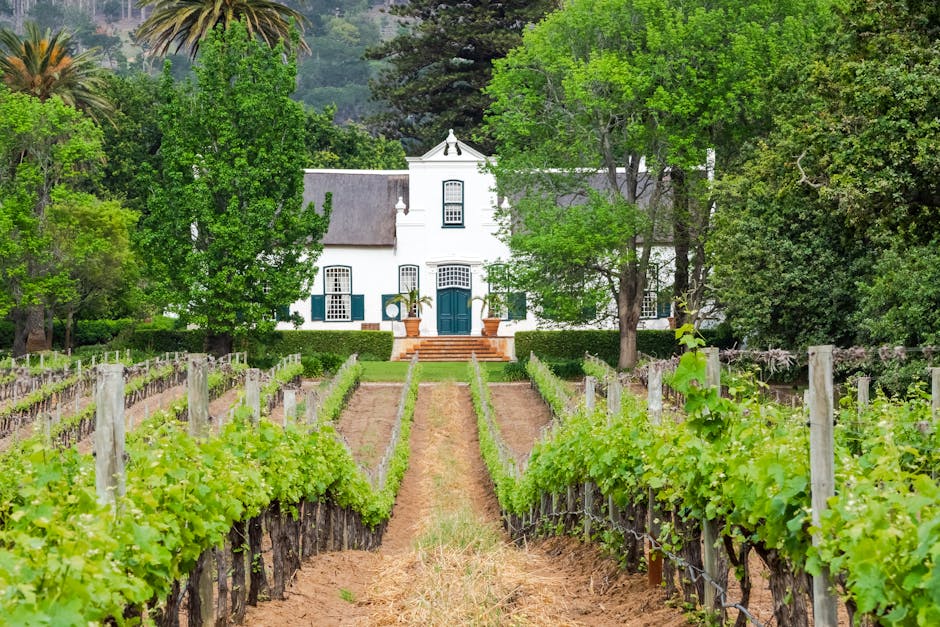
South Africa’s Viticultural Heritage Celebrated: Old Vine Registry Surpasses 10,000 Vineyard Milestone
South Africa’s rich viticultural heritage is experiencing a significant moment of recognition and preservation as the Old Vine Registry, a vital initiative dedicated to identifying and safeguarding ancient vineyards, has officially surpassed the impressive milestone of 10,000 registered vineyards. This achievement not only underscores the depth and longevity of the country’s winemaking tradition but also highlights the growing global appreciation for wines produced from these venerable vines, which are characterized by their concentrated flavors, balanced acidity, and remarkable complexity. The registry, a crucial tool for both conservation and marketing, plays an instrumental role in promoting sustainable viticulture and educating consumers about the unique terroir and historical significance embedded within each bottle of old vine wine. The expansion of the registry to encompass such a substantial number of vineyards signifies a concerted effort by South African winemakers, viticulturists, and conservationists to document and protect these irreplaceable assets, ensuring their continued contribution to the nation’s winemaking legacy for generations to come.
The significance of reaching the 10,000 vineyard milestone within the Old Vine Registry cannot be overstated. It represents a tangible testament to the enduring resilience and historical depth of South African viticulture, which dates back over 360 years. Each vineyard added to the registry is meticulously verified, requiring a minimum age of 35 years, a benchmark established to differentiate these mature plants from younger, more vigorous vines. This rigorous selection process ensures that only truly venerable vineyards, those that have weathered decades of changing climatic conditions and agricultural practices, are recognized. The sheer volume of this figure speaks volumes about the vastness of this underappreciated resource. It implies that for every modern vineyard, there are likely multiple older counterparts that have been quietly producing exceptional fruit, often overlooked until recent years. The registry acts as a beacon, illuminating these historically significant sites and bringing them to the forefront of international wine discourse. This is not merely a number; it represents thousands of individual stories of dedication, perseverance, and a deep connection to the land.
The Old Vine Registry’s primary objective extends beyond simple enumeration; it is fundamentally about preservation. Many older vineyards, particularly those planted on bush vine systems, are less productive and can be perceived as more labor-intensive to manage compared to trellised vines. This has historically led to the uprooting of ancient vines in favor of more economically viable, but often less characterful, plantings. The registry combats this trend by providing a platform that celebrates the unique qualities and inherent value of old vines. By assigning a verifiable designation to these vineyards, the registry empowers winemakers to market their old vine wines with confidence, appealing to a growing segment of consumers who actively seek out wines with provenance and a story. This market recognition incentivizes growers to retain and care for their old vines, transforming them from potential liabilities into valuable assets. The registry, therefore, acts as an economic driver for conservation, creating a sustainable model where heritage is not only protected but also financially rewarded.
The scientific and viticultural benefits of old vines are also a compelling reason for their continued cultivation and registry. As vines mature, their root systems deepen significantly, drawing water and nutrients from deeper soil profiles. This enhanced access to resources often results in reduced reliance on irrigation, a critical factor in water-scarce regions like much of South Africa. Furthermore, deeper roots contribute to a more complex mineral uptake, which is believed to translate into greater flavor intensity and a more nuanced expression of terroir in the resulting wines. The lower yields typical of older vines also mean a higher concentration of sugars, acids, and phenolic compounds in the grapes, leading to wines with greater structure, aging potential, and a distinctive textural quality. The registry’s work in documenting these vineyards allows for a deeper understanding of how these factors interact within different microclimates and soil types across South Africa’s diverse wine-producing regions, fostering further research and best practice development.
South Africa’s journey with old vines is intrinsically linked to its pioneering spirit and the historical evolution of its wine industry. The country’s first vineyards were established in the mid-17th century, and while many of these historical sites have long since disappeared, a remarkable number of older plantings have persisted, particularly in regions like Stellenbosch, Swartland, and the Paarl. These vineyards often feature indigenous varieties like Chenin Blanc and Semillon, which were among the earliest to be established, as well as heritage plantings of red varieties such as Cinsault and Carignan. The registry’s expansion to 10,000 vineyards signifies a renewed appreciation for this foundational grape material, recognizing its capacity to produce wines of exceptional quality and unique character that are distinct from those produced from younger, often more internationally recognized, varietals. It’s a recognition that the past holds the key to some of the most exciting and authentic expressions of South African wine.
The Old Vine Registry is more than just a database; it is a movement. It has fostered a community of like-minded individuals committed to the preservation of South Africa’s viticultural soul. Through collaboration and knowledge sharing, winemakers and viticulturists are learning from each other, adapting ancient techniques, and embracing sustainable practices that benefit both the environment and the quality of the wines produced. The registry’s outreach programs and educational initiatives are crucial in raising awareness among consumers, sommeliers, and critics about the value of old vine wines. This growing understanding translates into increased demand, creating a virtuous cycle that reinforces the importance of preserving these precious vineyards. The milestone is not an endpoint, but rather a powerful acceleration, inspiring further exploration, documentation, and ultimately, the safeguarding of countless more ancient vines that are yet to be officially recognized.
Looking ahead, the Old Vine Registry’s continued growth and the increasing prominence of South African old vine wines on the global stage promise a bright future for the nation’s viticultural heritage. The 10,000 vineyard milestone serves as a compelling argument for continued investment in research, conservation efforts, and consumer education. It reinforces the fact that South Africa possesses a unique and irreplaceable treasure trove of ancient vines, capable of producing wines that speak with profound authenticity of place and history. As the registry continues to expand, so too will the world’s appreciation for the depth, complexity, and enduring legacy of South African old vine wines, solidifying the country’s position as a leader in both viticultural innovation and heritage preservation. The focus is now on not only reaching further numerical milestones but on ensuring the long-term viability and continued production from these historical plantings, thereby securing their place in the annals of global wine history.
