
Second Stage Off Broadway
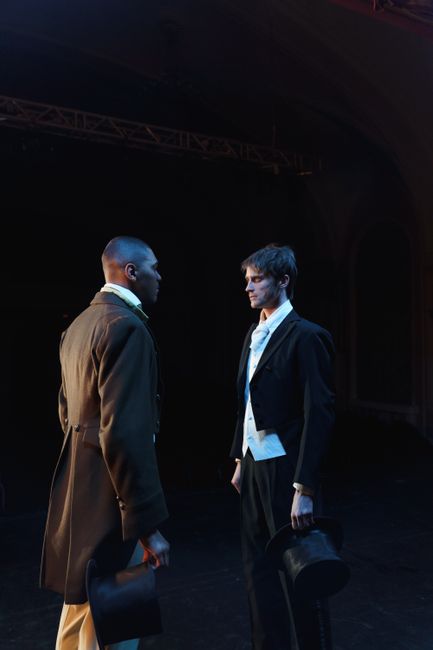
Second Stage Off-Broadway: A Hub for Emerging Voices and Boundary-Pushing Theater
Second Stage Theater, a cornerstone of New York City’s Off-Broadway landscape, has carved a formidable reputation for championing new voices and presenting daring, innovative theatrical productions. Established in 1979, the company has consistently provided a crucial platform for playwrights, directors, and actors to explore challenging themes, experiment with form, and connect with audiences on a deeply resonant level. Its commitment to fostering artistic growth and delivering impactful storytelling has cemented its status as a vital institution for those seeking the forefront of contemporary theater. The theater’s mission extends beyond mere entertainment; it aims to provoke thought, ignite dialogue, and offer a space for the exploration of complex societal issues and the multifaceted human experience. This dedication to artistic integrity and audience engagement has resulted in a consistently high-caliber programming that draws both seasoned theatergoers and curious newcomers.
The genesis of Second Stage Theater was rooted in a desire to address a perceived void in the theatrical ecosystem. Founded by Carole Rothman and Sarah Schlesinger, the initial vision was to create a venue specifically dedicated to new American plays, offering a supportive and nurturing environment for playwrights whose work might not have found a home on larger Broadway stages. This focus on the nascent and the experimental has remained a defining characteristic of Second Stage throughout its history. The early years were marked by a pioneering spirit, with the company actively seeking out and developing scripts that were often unconventional in their subject matter, structure, or style. This bold approach quickly garnered attention, establishing Second Stage as a vital incubator for playwrights who would later go on to achieve significant critical and commercial success. The theater’s consistent commitment to artistic risk-taking, rather than adhering to established commercial formulas, has been instrumental in its enduring relevance and its ability to attract a discerning audience.
One of Second Stage’s most significant contributions to the theatrical world is its unparalleled track record of premiering groundbreaking new plays. The company has a renowned ability to identify and cultivate promising playwrights, providing them with the resources and support necessary to bring their visions to life. Many plays that have gone on to garner critical acclaim and significant awards, including Tony Awards, first saw the light of day at Second Stage. This has created a symbiotic relationship where playwrights are drawn to Second Stage for its reputation for artistic integrity and its commitment to new work, while Second Stage benefits from the influx of fresh, original material. The theater’s selection process is rigorous, aiming to curate a season that reflects a diverse range of perspectives and artistic approaches. This has led to the premiere of plays that tackle issues of race, gender, sexuality, politics, and the human condition with unflinching honesty and profound insight. The success of these premieres has not only elevated the careers of individual artists but has also enriched the broader American theatrical canon.
Beyond its role as a premiere venue, Second Stage has also been a significant force in cultivating directorial talent. Many directors have honed their craft and developed their distinctive styles under the Second Stage umbrella. The intimate nature of Off-Broadway productions often allows for a more focused and collaborative directorial approach, where nuanced performances and striking visual designs can take center stage. Second Stage’s commitment to providing directors with the creative freedom to interpret new texts has resulted in a wide array of visually and conceptually innovative productions. These directors, in turn, have brought their unique artistic sensibilities to the interpretation of these new plays, often pushing the boundaries of theatrical storytelling. This has fostered a dynamic environment where established directors can experiment with new material and emerging talents can make their mark. The collaborative spirit fostered within Second Stage productions is often cited by artists as a key factor in the successful realization of complex and ambitious projects.
The intimate setting of Second Stage’s theaters—currently operating at the Helen Hayes Theater (Broadway), the Tony Kiser Theater, and the Charles Holleran Theater (both Off-Broadway)—plays a crucial role in its impact. Off-Broadway venues, by their nature, tend to offer a more immediate and visceral connection between the performers and the audience. This proximity allows for a deeper engagement with the characters and their struggles, fostering a sense of shared experience. The smaller seating capacities encourage a more intimate and focused atmosphere, where every gesture, every word, and every subtle shift in emotion can resonate powerfully. This intimacy is particularly well-suited to the often character-driven and emotionally complex plays that Second Stage is known for. The close proximity also fosters a more engaged and responsive audience, creating a palpable energy that can amplify the impact of the performance. This allows the theater to feel less like a spectacle and more like a shared exploration of ideas and emotions.
Second Stage’s programming is characterized by its commitment to diversity and inclusion, both in terms of the stories being told and the artists telling them. The theater actively seeks out plays by writers from underrepresented communities and strives to cast productions that reflect the rich tapestry of American society. This dedication to broadening the scope of theatrical narratives has resulted in plays that offer fresh perspectives and challenge conventional assumptions. By championing diverse voices, Second Stage enriches the theatrical landscape and ensures that a wider range of experiences and viewpoints are represented on stage. This commitment to inclusivity extends beyond the narratives themselves to encompass the artists involved, fostering a more equitable and representative theater industry. The theater recognizes that a truly vital theatrical scene must reflect the diversity of the world it seeks to represent.
The impact of Second Stage Theater extends far beyond the walls of its theaters. Many of the plays that have originated or been developed at Second Stage have gone on to national and international tours, reaching wider audiences and sparking conversations in communities across the globe. This ripple effect underscores the significance of Off-Broadway institutions like Second Stage in shaping the national and international discourse on important social and cultural issues. The success of these productions often serves as a testament to the enduring power of new, challenging, and thought-provoking theater. The seeds sown in the intimate Off-Broadway spaces often blossom into full-fledged theatrical events that resonate with audiences far and wide, influencing cultural conversations and inspiring subsequent generations of artists.
Looking to the future, Second Stage Theater remains committed to its core mission of fostering new playwrights, nurturing directorial talent, and presenting bold, innovative theater. As the theatrical landscape continues to evolve, Second Stage’s dedication to artistic risk-taking and its unwavering support for emerging voices position it to remain a vital and influential force for years to come. The theater’s proactive engagement with contemporary issues and its willingness to experiment with form ensure its continued relevance in an ever-changing world. Its enduring legacy is a testament to the power of dedicated artistic institutions to shape culture and inspire meaningful dialogue. The ongoing commitment to pushing artistic boundaries and exploring the complexities of the human experience guarantees that Second Stage will continue to be a destination for groundbreaking theatrical endeavors. Its influence on the American theater cannot be overstated, serving as a crucial launchpad for countless careers and a vital incubator for the future of dramatic arts. The continued success of Second Stage is intrinsically linked to the health and vibrancy of the broader theatrical ecosystem, providing a model for innovation and artistic excellence.
