
Special Italian Easter Pizza
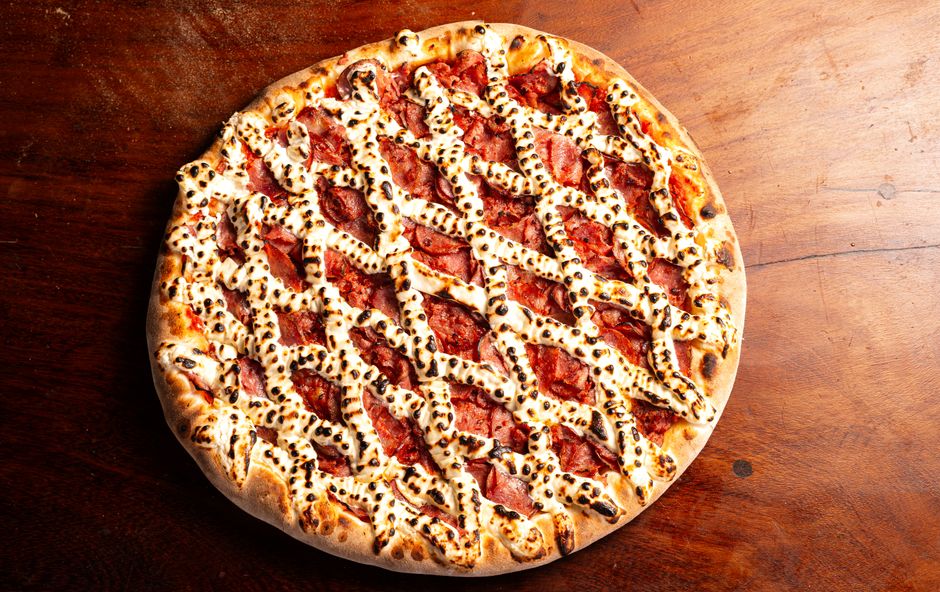
Pizza di Pasqua: A Savory Italian Easter Tradition
The Italian Easter pizza, known colloquially as Pizza di Pasqua or Crescia di Pasqua, is a beloved and distinctive culinary tradition that sets the Italian Easter table apart. Far from the sweet, dessert-like pizzas one might imagine, this is a decidedly savory, cheese-laden bread, a hearty and flavorful centerpiece that embodies the spirit of renewal and abundance associated with the Easter season. Its origins are deeply rooted in regional Italian history and agricultural practices, evolving over centuries to become a cherished symbol of family gatherings and festive meals. Unlike many other holiday baked goods, Pizza di Pasqua is not a single, monolithic recipe but rather a family of related savory breads, with significant variations occurring from region to region and even from family to family. The core concept, however, remains consistent: a rich, often yeasted dough studded with copious amounts of cheese, and traditionally, in its most elaborate forms, adorned with hard-boiled eggs. This culinary creation serves a dual purpose: as a delicious accompaniment to the Lenten fare being broken after a period of abstinence, and as a visually striking dish that celebrates the resurrection and new life. The aroma of baking Pizza di Pasqua filling Italian homes during Holy Week is a powerful sensory marker of the approaching holiday, evoking memories of childhood and generations past. Its presence on the Easter Sunday table is as essential as the Paschal lamb or the traditional Colomba Pasquale cake for many Italian families.
The defining characteristic of Pizza di Pasqua is its substantial cheese content. While recipes vary, common cheeses used include Pecorino Romano, a hard, salty sheep’s milk cheese, Parmesan Reggiano, another hard, nutty cow’s milk cheese, and various local aged cheeses. The cheeses are not merely mixed into the dough; they are often incorporated in substantial chunks and grated forms, creating pockets of molten, savory goodness throughout the bread. This generous use of cheese gives Pizza di Pasqua its distinctive, rich flavor and a slightly chewy, yet tender, texture. The dough itself is typically a yeasted bread dough, enriched with eggs and sometimes a touch of olive oil or butter, contributing to its overall custardy interior and slightly crisp exterior crust. The fermentation process of the yeast allows the dough to rise, creating a light and airy crumb despite the dense inclusion of cheese. The baking process is crucial; a well-made Pizza di Pasqua boasts a golden-brown crust, a testament to its careful preparation and the Maillard reaction at play, while the interior remains moist and packed with the essence of melted cheese. The visual appeal is also paramount. In many traditional versions, whole hard-boiled eggs, often dyed vibrant colors, are strategically placed within or on top of the dough before baking. These eggs, a potent symbol of rebirth and fertility, become an integral part of the Easter narrative embodied by the pizza. The eggs are baked within the dough, their shells protecting them from overcooking, resulting in perfectly cooked yolks that are often enjoyed alongside the savory bread. This combination of textures and flavors – the crisp crust, the soft, cheesy interior, and the creamy egg yolk – makes Pizza di Pasqua a truly unique and satisfying culinary experience.
The regional variations of Pizza di Pasqua are a testament to Italy’s rich culinary tapestry. While the fundamental concept of a savory cheese bread for Easter remains, the specific ingredients, proportions, and even the names can differ significantly. In Umbria, the crescia di Pasqua is perhaps the most iconic. This version is characterized by its incredibly rich dough, often made with a high ratio of cheese and eggs, resulting in a dense, almost cake-like texture. Pecorino Romano is a staple in Umbrian crescia, contributing a sharp, salty bite that balances the richness of the other ingredients. The eggs are usually embedded in the dough before baking, becoming a visual and flavorful element. Further south, in the Marche region, the pizza di Pasqua marchigiana shares many similarities, often featuring a blend of Pecorino and other local aged cheeses. The dough might be slightly lighter than its Umbrian counterpart, but the emphasis on cheese remains. In Abruzzo, the pizza al formaggio is a celebrated dish, showcasing a more pronounced inclusion of Parmesan Reggiano, which adds a nutty depth to the overall flavor profile. Some Abruzzese recipes might also incorporate cured meats like prosciutto cotto or salami, adding another layer of savory complexity. Lazio, home to Rome, also has its own interpretations, often featuring a blend of Pecorino Romano and other regional cheeses, sometimes with the addition of black pepper for a subtle spicy kick. The variations extend to the dough itself. Some recipes call for a leavened dough, allowing for a lighter, more bread-like texture, while others use a quicker, unleavened dough, resulting in a denser, more focaccia-like consistency. Regardless of the precise regional variation, the common thread is the celebration of Easter with a substantial, cheese-forward baked good, designed to be shared and enjoyed during the festive period.
The history of Pizza di Pasqua is intrinsically linked to the agricultural calendar and the period of Lent. Historically, the fifty days leading up to Easter, known as Lent, were a time of strict fasting and abstinence for many devout Christians. Meat, dairy products, and eggs were often forbidden during this period. As Easter Sunday approached, the anticipation of breaking these fasts was immense. The Easter pizza, with its rich ingredients of cheese and eggs, was a perfect way to celebrate the end of the Lenten austerity. It was a symbol of abundance and a return to the pleasures of the table. The eggs themselves have profound symbolic meaning in Christianity, representing resurrection and new life, mirroring the central tenet of the Easter celebration. Dyeing the eggs in vibrant colors further enhanced this symbolism, making them a visually striking addition to the savory bread. The practice of baking with cheese and eggs also reflects the historical availability of these ingredients for farmers and rural communities. These were often staple products of their land, and Easter was a time to showcase the bounty of their produce. Over time, what began as a practical way to utilize rich ingredients after Lent evolved into a deeply ingrained cultural tradition. Recipes were passed down through generations, with families meticulously guarding their specific variations and techniques. The act of making Pizza di Pasqua became a communal activity, involving mothers, grandmothers, and children, further strengthening family bonds and the transmission of culinary heritage.
The preparation of Pizza di Pasqua, while seemingly straightforward, requires attention to detail and an understanding of dough handling and baking. The process typically begins with activating yeast (if a leavened dough is used) and combining it with flour, eggs, and a liquid, usually milk or water. The key difference from a standard bread dough lies in the generous addition of grated and cubed cheeses. The cheeses are thoroughly incorporated, ensuring an even distribution throughout the dough. Some recipes call for kneading the dough until it is smooth and elastic, while others prefer a more rustic approach. The dough is then allowed to rise, or proof, in a warm place until it has doubled in size. This is a critical step for developing flavor and texture in leavened versions. Once proofed, the dough is shaped, often into a round or slightly flattened disc, and the hard-boiled eggs, if included, are carefully nestled into the dough. The eggs can be placed strategically to create a visually appealing pattern or simply distributed throughout. A final proofing period may follow before the pizza is ready for baking. Baking temperatures and times will vary depending on the specific recipe and the oven. Generally, Pizza di Pasqua is baked until the crust is golden brown and the interior is cooked through, with the cheeses melted and gooey. The aroma emanating from the oven during baking is a powerful indicator of the deliciousness to come. Some bakers opt for a more rustic, hearth-baked style, while others use traditional oven trays. The goal is to achieve a well-risen, evenly cooked bread with a satisfying crust and a richly cheesy interior.
Serving Pizza di Pasqua is an event in itself. It is traditionally enjoyed on Easter Sunday, often as part of a larger celebratory meal. It can be served as an appetizer, alongside cured meats and olives, or as a substantial accompaniment to the main course, which might include roasted lamb, poultry, or other Easter delicacies. The warm, savory slices are a delightful contrast to sweeter Easter pastries. The embedded eggs, once revealed, add a touch of festive charm and are often enjoyed by children. The flavors of the cheese, the bread, and the perfectly cooked egg yolk create a harmonious and satisfying bite. It is a dish that encourages communal eating, with slices being passed around the table and enjoyed by all. The visual appeal of the golden crust, the visible pockets of melted cheese, and the colorful Easter eggs make it a striking centerpiece for any Easter feast. Leftovers, though rare, can be enjoyed cold or gently reheated the following day. Its robust flavor profile means it pairs well with a variety of beverages, from still and sparkling wines to regional beers. The act of sharing and savoring Pizza di Pasqua reinforces the communal spirit of Easter, bringing families and friends together to celebrate the holiday.
For those looking to recreate this authentic Italian Easter tradition, finding reliable recipes is key. While many Italian cookbooks will feature variations of Pizza di Pasqua, online resources and culinary blogs specializing in Italian regional cuisine offer a wealth of authentic recipes. When searching for recipes, using terms like "Pizza di Pasqua," "Crescia di Pasqua," "Pizza al formaggio," and specifying regional variations (e.g., "Umbrian Crescia recipe") will yield the best results. It is important to note that authentic recipes often call for specific Italian cheeses, such as Pecorino Romano and Parmesan Reggiano, which contribute significantly to the characteristic flavor. Sourcing these cheeses from Italian delis or specialty food stores will enhance the authenticity of the final dish. The quality of the eggs is also important, as they are an integral part of the flavor and symbolism. Paying attention to the specific instructions regarding dough proofing, cheese incorporation, and baking temperatures will be crucial for achieving a successful Pizza di Pasqua. Many recipes will also provide tips on how to dye the Easter eggs in vibrant, food-safe colors, adding to the festive presentation. Experimenting with different regional variations can be a rewarding culinary journey, allowing you to discover the nuances and unique flavors that each area brings to this beloved Easter bread. The satisfaction of creating this traditional dish from scratch, and sharing it with loved ones, is a reward in itself, connecting you to a rich culinary heritage.
The enduring appeal of Pizza di Pasqua lies in its ability to transcend mere sustenance and become a tangible representation of cultural identity and festivity. It is a savory embodiment of Easter’s themes of renewal, abundance, and the breaking of fasts. Its rich history, interwoven with agricultural traditions and religious observance, gives it a depth that goes beyond its delicious flavor. The regional variations highlight the diversity of Italian cuisine and the passionate dedication to local culinary heritage. For Italians both in Italy and abroad, the aroma and taste of Pizza di Pasqua evoke powerful memories and a sense of belonging. It is a dish that is not just eaten but experienced, a communal creation that brings families together around the table. As a food item, its SEO appeal is driven by keywords such as "Italian Easter bread," "savory Easter pizza recipe," "cheese bread Italy," "regional Italian Easter food," and specific regional names like "Crescia di Pasqua" and "Pizza al formaggio." The visual aspect, with its golden crust and colorful eggs, also lends itself well to online food content. In an era where culinary traditions are sometimes at risk of fading, Pizza di Pasqua stands as a vibrant testament to the power of food to preserve and celebrate cultural heritage. It is a dish that continues to be passed down through generations, ensuring its place on the Italian Easter table for years to come. Its unique combination of savory richness and symbolic significance makes it a truly unforgettable culinary icon.
