
Roast Leg Of Lamb
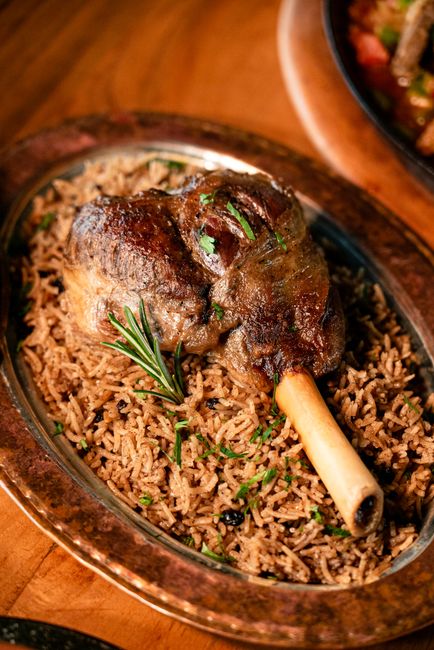
The Ultimate Guide to Roasting a Perfect Leg of Lamb: A Culinary Masterpiece
Roast leg of lamb is a cornerstone of celebratory meals, offering a rich, succulent, and deeply flavorful experience that captivates the palate. Mastering this classic dish elevates home cooking to restaurant-quality standards, providing a deeply satisfying centerpiece that pairs beautifully with a wide array of accompaniments. This comprehensive guide delves into every aspect of preparing a flawless roast leg of lamb, from selecting the prime cut to achieving that coveted golden-brown crust and incredibly tender interior. Whether you’re a novice cook or an experienced chef looking to refine your technique, this detailed exploration will equip you with the knowledge and confidence to create an unforgettable lamb roast.
The selection of the right cut is paramount to a successful roast leg of lamb. Typically, a whole leg of lamb is purchased, ranging from approximately 4 to 8 pounds. The bone-in leg is generally preferred for roasting as the bone imparts additional flavor and moisture to the meat, resulting in a more succulent outcome. Conversely, a boneless leg can be a convenient option, but it tends to cook faster and can dry out more easily if not carefully monitored. Look for a leg that is well-marbled with intramuscular fat, indicating a richer flavor and a more forgiving cooking process. The fat cap, the layer of external fat, should be relatively thick and even, as it will baste the meat during cooking, contributing to its juiciness and developing a crispy exterior. If the leg appears very lean, consider asking your butcher to tie on a piece of lamb fat or to score the fat cap to allow rendered fat to penetrate the meat. The color of the lamb should be a bright, cherry-red, and the texture firm to the touch, free from any off-putting odors. Consider the origin of the lamb; grass-fed lamb often has a more distinct, herbaceous flavor profile, while grain-finished lamb tends to be milder and fattier. Understanding these nuances allows for a more informed choice based on personal preference and the desired flavor of the final dish.
Preparing the lamb leg for roasting involves a few crucial steps to enhance flavor and ensure even cooking. Begin by bringing the lamb to room temperature for at least one hour, and ideally two, before cooking. This allows the meat to cook more evenly, preventing the exterior from overcooking before the interior reaches the desired temperature. While the lamb is resting at room temperature, it’s time to prepare the aromatics and seasonings. A simple yet profoundly effective rub for roast leg of lamb consists of fresh rosemary, thyme, and garlic. Finely mince a generous amount of fresh rosemary and thyme, discarding any tough stems. Peel and mince several cloves of garlic, adjusting the quantity to your preference; a whole head of garlic, minced, is often used and will become sweet and mellow when roasted. Combine the minced herbs and garlic with coarse sea salt and freshly ground black pepper. For an extra layer of flavor, consider adding a pinch of red pepper flakes for a subtle heat or a touch of smoked paprika for a hint of smokiness. Olive oil is essential for binding these ingredients and facilitating their adherence to the lamb. Drizzle a good quality extra virgin olive oil over the lamb leg, ensuring the entire surface is lightly coated. Then, generously rub the herb and garlic mixture all over the lamb, pressing it into the meat. Pay particular attention to any crevices or areas where the fat cap is thinner. If your leg of lamb has a fat cap, you may wish to score it lightly with a sharp knife in a diamond pattern. This scoring allows the seasonings to penetrate the fat and encourages it to render and crisp up during cooking. Some recipes suggest tucking slivers of garlic and sprigs of rosemary under the scored fat cap for even deeper flavor infusion.
Preheating your oven to the correct temperature is a critical factor in achieving a perfectly roasted leg of lamb. A high initial temperature is key to developing that desirable crispy, golden-brown crust, followed by a reduction in temperature to allow the interior to cook gently and evenly. For a truly exceptional roast, preheat your oven to 425°F (220°C). This intense heat will sear the exterior of the lamb, locking in juices and initiating the browning process that is so visually appealing and contributes significantly to the overall flavor profile. Once the lamb is in the oven, after the initial searing period, the temperature will be reduced. This two-stage cooking method ensures both a beautiful exterior and a perfectly cooked, tender interior, a hallmark of a successful lamb roast. It’s imperative to use an oven thermometer to verify your oven’s temperature, as oven thermostats can often be inaccurate. Consistent and accurate oven temperature is fundamental to achieving predictable and repeatable results with any roast, and the leg of lamb is no exception.
The roasting process itself requires careful attention to timing and temperature. Place the prepared leg of lamb, fat-side up, in a sturdy roasting pan. Elevating the lamb on a rack within the roasting pan is highly recommended. This allows hot air to circulate evenly around the entire leg, promoting uniform cooking and preventing the bottom from becoming soggy as it steams in its own rendered juices. If you don’t have a roasting rack, you can create a makeshift one using thick slices of onion, carrot, and celery, which will also contribute to the flavorful pan juices. For the initial searing stage, roast the lamb at the preheated 425°F (220°C) for approximately 15-20 minutes. This high heat is crucial for initiating the Maillard reaction, responsible for the browning and development of complex flavors. Following this initial blast of heat, reduce the oven temperature to 325°F (160°C). This lower, more consistent temperature will allow the lamb to cook through gently and evenly without drying out. The total roasting time will vary significantly depending on the size and weight of the leg, as well as your desired level of doneness. A general guideline for roasting leg of lamb is approximately 20-25 minutes per pound at the lower temperature. However, relying solely on time is not advisable. The most accurate method for determining doneness is to use an instant-read meat thermometer. Insert the thermometer into the thickest part of the meat, avoiding the bone.
The internal temperature is the definitive indicator of doneness for roast leg of lamb. For medium-rare, aim for an internal temperature of 130-135°F (54-57°C). This will result in a beautifully pink, tender, and juicy interior with a slightly firmer texture. For medium, the temperature should be 135-140°F (57-60°C), yielding a slightly more cooked but still very moist lamb. If you prefer your lamb well-done, target an internal temperature of 145-150°F (63-66°C), though be aware that lamb cooked to this temperature may be less tender and juicy than lamb cooked to a lower temperature. Remember that the internal temperature of the lamb will continue to rise by 5-10°F (3-5°C) as it rests after being removed from the oven. This carry-over cooking is a crucial aspect of roasting and must be factored into your temperature readings. Therefore, it is advisable to remove the lamb from the oven when it is about 5°F (3°C) below your target final temperature. For example, if you’re aiming for a final medium-rare temperature of 135°F (57°C), remove the lamb when it reaches 130°F (54°C) on your thermometer.
Resting the roast leg of lamb is as vital as the roasting process itself. Once the lamb has reached its desired internal temperature, remove it from the oven and transfer it to a clean cutting board or a warm platter. Loosely tent the lamb with aluminum foil. This step allows the juices, which have been drawn to the surface during cooking, to redistribute throughout the meat. Cutting into the lamb too soon will cause these precious juices to escape, resulting in a drier, less flavorful roast. A minimum resting time of 15-20 minutes is essential for a leg of lamb. For larger cuts, or if you want to ensure optimal juiciness, allow it to rest for up to 30 minutes. During this resting period, the meat fibers relax, making the lamb incredibly tender and moist. The slight carry-over cooking will also ensure the lamb reaches its final desired temperature.
Carving the roast leg of lamb requires a sharp knife and a bit of technique to showcase the perfectly cooked meat. Once rested, place the lamb on a sturdy carving board. If the leg is bone-in, locate the femur bone. Begin by slicing across the grain, starting from the wider end of the leg. Use long, sweeping strokes to create even slices. For bone-in legs, you may need to work around the bone. Once you’ve carved a section of meat, you can then carve around the bone, separating the meat from it. If you have a boneless leg, carving is more straightforward. Slice the lamb into desired thicknesses, ensuring you are cutting against the grain for maximum tenderness. The grain refers to the direction of the muscle fibers. Cutting perpendicular to these fibers shortens them, making the meat easier to chew.
The pan juices left in the roasting pan are a treasure trove of flavor and can be transformed into a delicious gravy or jus. Carefully pour the rendered fat from the pan into a heatproof container, leaving behind the flavorful browned bits (fond) and liquid. Skim off excess fat from the juices. Place the roasting pan over medium heat on the stovetop. You can deglaze the pan by adding a splash of red wine, beef broth, or chicken broth, scraping up the browned bits from the bottom of the pan. Simmer this liquid for a few minutes to reduce and concentrate the flavors. For a richer gravy, you can whisk in a tablespoon or two of flour to create a roux before adding the liquid, or you can thicken the jus with a cornstarch slurry (cornstarch mixed with a little cold water). Season the gravy or jus with salt and pepper to taste. Strain the gravy through a fine-mesh sieve for a smooth consistency, discarding any solids. This rich, flavorful liquid is the perfect accompaniment to your roast leg of lamb.
Serving roast leg of lamb opens up a world of culinary possibilities. Its robust flavor pairs exceptionally well with a variety of side dishes. Classic pairings include roasted root vegetables such as potatoes, carrots, parsnips, and sweet potatoes, which benefit from being roasted alongside the lamb to absorb its delicious drippings. Creamy mashed potatoes or a smooth potato gratin offer a comforting and rich counterpoint. Green vegetables, like steamed asparagus, sautéed green beans with garlic and almonds, or a vibrant Brussels sprouts dish, provide a welcome contrast in both texture and flavor. For a more refined accompaniment, consider a minted pea purée or a warm lentil salad. The richness of the lamb also calls for complementary sauces. Beyond the pan juices, a classic mint sauce, a tangy red currant jelly, or a robust red wine reduction are excellent choices. A dollop of gremolata, a zesty mix of lemon zest, garlic, and parsley, can cut through the richness and add a bright, herbaceous note. The versatility of roast leg of lamb allows it to be the star of a formal holiday feast or a more casual Sunday dinner, adapting beautifully to different occasions and preferences.
To optimize SEO for this comprehensive article on roast leg of lamb, consider the following:
Keyword Integration: Naturally incorporate relevant keywords throughout the text. Primary keywords include "roast leg of lamb," "lamb roast recipe," "how to roast lamb," "perfect roast lamb," "leg of lamb cooking time," and "lamb doneness." Secondary keywords and long-tail variations like "best leg of lamb recipe," "easy lamb roast," "bone-in leg of lamb," "boneless leg of lamb," "roasting lamb temperature," "carving lamb," and "lamb gravy recipe" should also be woven in where appropriate.
Heading Structure: Utilize clear and descriptive headings (H1, H2, H3) to break up the content and improve readability for both users and search engines. The title of the article functions as the H1. Subheadings could include: "Selecting the Right Cut of Lamb," "Preparing the Lamb for Roasting," "Oven Temperature and Preheat," "The Roasting Process: Timing and Temperature," "Achieving Perfect Doneness: Internal Temperatures," "The Crucial Resting Period," "Mastering the Carve," "Crafting Delicious Pan Juices and Gravy," and "Serving Suggestions and Pairings."
Meta Description: Craft a compelling meta description that summarizes the article’s content and entices users to click. For example: "Master the art of roasting a perfect leg of lamb with this comprehensive guide. Learn about cut selection, preparation, cooking times, temperatures, resting, carving, and delicious serving ideas for an unforgettable culinary experience."
Image Optimization: If this content were to be published online, relevant, high-quality images of roast leg of lamb, ingredients, and the cooking process would be essential. Image alt text should include relevant keywords (e.g., "Golden brown roast leg of lamb with rosemary and garlic").
Internal and External Linking: Link to other relevant articles on your website (e.g., recipes for side dishes, gravy recipes) and to authoritative external resources if appropriate (e.g., reputable culinary websites for specific techniques).
Readability and User Experience: Ensure the content is easy to read and understand. Use clear language, short paragraphs, and bullet points where beneficial. A well-structured and informative article will encourage users to stay on the page longer, signaling to search engines that the content is valuable.
Content Depth and Authority: This article provides extensive detail, covering all key aspects of roasting leg of lamb. This depth of information establishes authority on the topic, which is highly valued by search engines.
By adhering to these SEO principles, the article’s visibility and ranking in search engine results pages for relevant queries will be significantly enhanced, ensuring that culinary enthusiasts seeking to roast a leg of lamb can easily find this comprehensive resource.
