
Quick And Easy Guacamole
Quick and Easy Guacamole: Your Ultimate Guide to Flavorful Avocado Bliss
Guacamole, a vibrant green dip originating from Mexico, is a universally loved accompaniment, enhancing everything from tacos and nachos to grilled meats and sandwiches. The beauty of guacamole lies in its simplicity and the freshness of its core ingredient, the avocado. While many recipes exist, this comprehensive guide focuses on delivering quick and easy guacamole without sacrificing an ounce of flavor. The key to rapid guacamole preparation lies in efficient ingredient selection, minimal chopping, and a straightforward assembly process. This article will delve into the essential components, step-by-step instructions, variations for customization, tips for optimal avocado ripeness, and storage recommendations, ensuring you can whip up perfect guacamole in mere minutes, any time the craving strikes. Understanding the fundamental elements is paramount. At its heart, guacamole is avocado. The ideal avocado for guacamole is ripe but not overly soft. It should yield gently to pressure but not feel mushy. Overripe avocados can impart a bitter taste and an undesirable texture. Underripe avocados will be hard, difficult to mash, and lack the creamy richness that defines good guacamole. The next critical component is acidity, typically provided by lime juice. Freshly squeezed lime juice is non-negotiable for authentic flavor. Bottled lime juice, while convenient, lacks the bright, zesty punch that elevates guacamole from ordinary to extraordinary. The acidity not only balances the richness of the avocado but also helps prevent browning, preserving the vibrant green color. Onion, usually red or white, adds a pungent sharpness that cuts through the creaminess. Finely minced onion ensures its flavor is distributed evenly without overwhelming the other ingredients. Cilantro, the herbaceous powerhouse, provides a fresh, slightly citrusy note. Again, fresh cilantro is key. Dried cilantro will not replicate the lively aroma and taste. Finally, salt is essential for bringing out and harmonizing all the flavors. The amount of salt will vary based on personal preference and the inherent saltiness of the avocados themselves. These five ingredients – avocado, lime juice, onion, cilantro, and salt – form the foundational pillars of quick and easy guacamole.
To embark on your journey to perfect guacamole, gather your ingredients: two ripe avocados, one-half a small red onion, one-half a bunch of fresh cilantro, the juice of one lime, and salt to taste. The process begins with preparing the avocados. Slice each avocado in half lengthwise, carefully removing the pit. You can do this by gently tapping the pit with the blade of your knife and twisting, or by scooping it out with a spoon. Once halved, scoop the avocado flesh into a medium-sized bowl. The mashing process is where personal preference comes into play. For a chunkier guacamole, use a fork or a potato masher, leaving some discernible pieces of avocado. For a smoother, more homogenized dip, a whisk or even an immersion blender (though this moves away from the "quick and easy" spirit for most) can be employed, but a fork is generally sufficient for achieving a desirable texture quickly. Aim for a consistency that is creamy but still has some textural interest. Next, address the aromatics. Finely mince the red onion. The smaller the dice, the more subtle its flavor will be, preventing it from overpowering the avocado. If you find raw onion too pungent, you can rinse the minced onion under cold water for about 30 seconds and then drain it thoroughly; this process mellows its sharpness considerably, making it more palatable for those sensitive to raw onion. Chop the fresh cilantro. Again, a fine chop is recommended for even distribution. Once the avocado is mashed to your desired consistency, add the minced onion, chopped cilantro, and freshly squeezed lime juice to the bowl.
Now comes the crucial step of seasoning. Add salt incrementally. It’s always better to start with less and add more than to over-salt, as you can’t easily remove excess salt. Gently mix all the ingredients together. Be careful not to overmix, as this can make the guacamole mushy and less appealing. The goal is to incorporate the lime, onion, and cilantro evenly without bruising the avocado too much. Taste the guacamole. This is where you make it your own. Does it need more acidity? Add another squeeze of lime. Is the onion too strong? Perhaps you should have rinsed it. Is it bland? More salt is needed. Is there a distinct lack of freshness? More cilantro might be the answer. This iterative tasting and adjusting process is key to unlocking the full flavor potential of your quick and easy guacamole. The entire process, from cutting the avocados to the final taste test, should realistically take no more than 5 to 10 minutes, making it an ideal appetizer or side dish for impromptu gatherings or quick meals.
For those seeking to elevate their quick and easy guacamole beyond the basic, several simple additions can be made without significantly increasing preparation time. A touch of heat is a popular enhancement. Finely minced jalapeño or serrano pepper can be added for a spicy kick. Start with a small amount, as the heat level can vary greatly between peppers, and remove the seeds and membranes if you prefer a milder heat. Another common addition is a ripe tomato, finely diced. The acidity and slight sweetness of the tomato complement the avocado and lime beautifully. However, for truly quick guacamole, omitting the tomato might be preferable to avoid the extra chopping and potential for a waterier consistency. A pinch of cumin can add a smoky depth, a flavor profile often associated with Mexican cuisine. If you enjoy a hint of sweetness, a very small amount of finely chopped ripe mango can be surprisingly delicious, adding a tropical twist. For a richer, more complex flavor, a tiny pinch of garlic powder or a very finely minced clove of raw garlic can be incorporated. However, be judicious with garlic, as its raw intensity can easily dominate the guacamole. Consider the occasion and your audience when deciding on these additions. For a crowd-pleasing, universally appealing guacamole, sticking to the core ingredients is often the safest and quickest route. For a more adventurous palate, experimenting with these variations can lead to exciting new flavor profiles.
Achieving perfect guacamole hinges on the quality and ripeness of the avocados. The Hass avocado is generally considered the superior choice for guacamole due to its creamy texture and rich flavor. To test for ripeness, gently press the avocado in the palm of your hand; it should yield to gentle pressure. Avoid squeezing with your fingertips, as this can bruise the fruit. If the avocado feels hard and does not yield, it is underripe and will not be suitable for immediate use. If it feels excessively soft or has a mushy spot, it is likely overripe and may have brown blemishes inside, affecting the taste and texture. A perfectly ripe avocado will have a slightly bumpy, leathery skin that is dark green to purplish-black. When you remove the small stem, if it comes off easily and reveals a vibrant green color underneath, the avocado is likely at its peak. If the color is brown, it’s past its prime. If the stem is difficult to remove, the avocado is probably not ripe enough. Buying avocados a day or two in advance and allowing them to ripen at room temperature is often the best strategy to ensure you have ripe avocados on hand when the guacamole craving strikes. You can speed up the ripening process by placing avocados in a brown paper bag with a banana or apple, as these fruits release ethylene gas, which promotes ripening.
Storing leftover guacamole is a common challenge, as its vibrant green color can quickly turn unappetizingly brown due to oxidation. However, there are several effective methods to preserve its freshness and appearance for a short period. The most effective technique involves creating a barrier against air. After transferring any leftover guacamole to an airtight container, press a layer of plastic wrap directly onto the surface of the guacamole, ensuring there are no air pockets. This physical barrier minimizes contact with oxygen. Some also recommend adding a thin layer of water on top of the plastic wrap to further create an oxygen-free environment. When you’re ready to serve the guacamole again, simply pour off the water and peel away the plastic wrap. The guacamole beneath should retain its green color. Another method involves leaving the pit in the guacamole and pressing it into the center of the dip. While less effective than the plastic wrap method, the pit’s natural chemical compounds are thought to slow down the oxidation process. For optimal freshness, it’s always best to consume guacamole the same day it is made. If you need to store it for more than a few hours, the plastic wrap method is highly recommended. When storing, ensure the container is truly airtight to prevent the absorption of other odors from the refrigerator. The goal of storage is to minimize exposure to oxygen, the primary culprit behind guacamole’s browning.
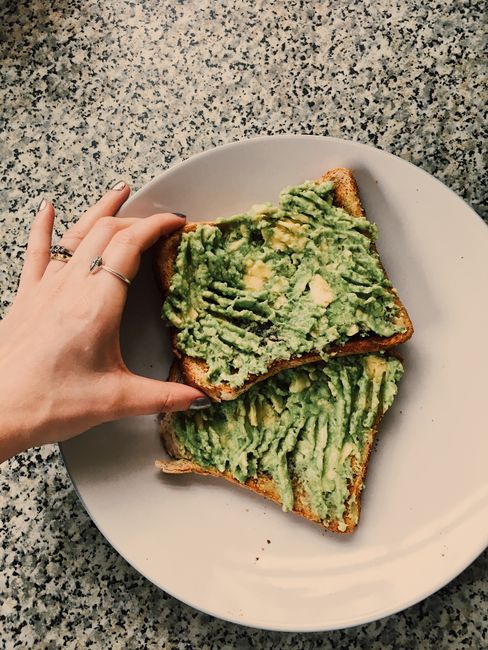
The versatility of quick and easy guacamole extends beyond a simple dip. Its creamy texture and fresh flavors make it an excellent spread for sandwiches and wraps, offering a healthier alternative to mayonnaise. As a topping for baked potatoes or grilled chicken, it adds a burst of flavor and richness. Guacamole can also be incorporated into salad dressings or used as a binder for grain bowls. Consider its application as a filling for omelets or quesadillas, providing a delightful contrast in textures and tastes. The simplicity of its preparation allows for spontaneous culinary creativity. Its inherent freshness complements rich and savory dishes, cutting through fat and adding a vibrant counterpoint. When serving guacamole, presentation matters. A colorful serving bowl, perhaps garnished with a sprig of cilantro or a few extra tomato pieces, can enhance the visual appeal. Accompaniments are also crucial. A variety of tortilla chips, from classic salted to seasoned varieties, are essential. For a healthier option, raw vegetable crudités like bell pepper strips, carrot sticks, cucumber slices, and celery sticks provide a refreshing crunch. Offering a selection of salsas, pico de gallo, and sour cream alongside the guacamole allows guests to customize their experience. The quick and easy nature of this recipe means you can always have fresh guacamole on hand, transforming any meal or gathering into a more flavorful and enjoyable occasion.
