
Lentils With Ground Beef And Rice 2
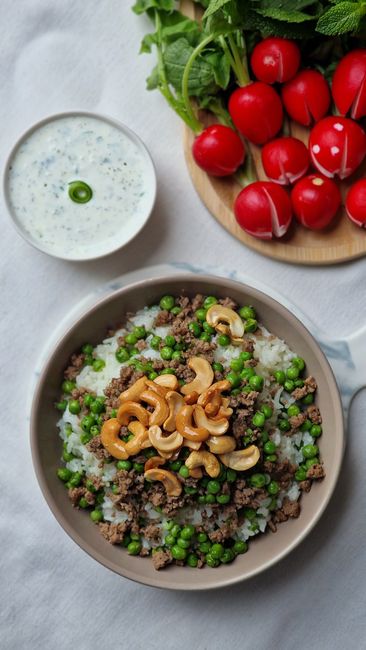
Hearty Lentils, Ground Beef, and Rice: A Nutritional Powerhouse and Culinary Staple
This article delves into the multifaceted world of a classic comfort food: lentils combined with ground beef and rice. Beyond its delicious and satisfying profile, this dish stands as a testament to the nutritional density and culinary versatility achievable with simple, wholesome ingredients. It’s a meal that fuels the body, tantalizes the taste buds, and offers a robust foundation for various dietary needs and preferences. Understanding the individual components and their synergistic benefits unlocks the true potential of this enduring recipe.
The foundational element, lentils, are legumes renowned for their exceptional nutritional value. These small, disc-shaped seeds come in various varieties, each offering a unique texture and cooking time. Common types include brown lentils, green lentils, red lentils, and French (Puy) lentils. Brown and green lentils tend to hold their shape well, making them ideal for dishes where a distinct texture is desired. Red lentils, on the other hand, break down more readily, resulting in a creamier consistency, perfect for thickening stews and soups. French lentils, with their peppery flavor and firm texture, are a gourmet choice. Regardless of the specific type, all lentils are packed with protein, dietary fiber, iron, folate, potassium, and magnesium. Their high fiber content contributes to improved digestion, sustained energy release, and a feeling of satiety, which can be beneficial for weight management. The significant amount of plant-based protein makes them an excellent meat alternative or complement for vegetarian and vegan diets, though in this context, they are a powerful partner to ground beef. Iron, crucial for oxygen transport in the blood, is particularly abundant in lentils, making this dish a valuable option for combating iron deficiency. Folate, essential for cell growth and DNA formation, is another vital nutrient readily supplied.
Ground beef, a staple in many cuisines, provides a rich source of complete protein, heme iron, zinc, and B vitamins, notably B12. The protein in beef is highly bioavailable, meaning the body can efficiently absorb and utilize its amino acids for muscle repair and growth. Heme iron, found in animal products, is absorbed more readily than non-heme iron found in plant sources, further enhancing the iron contribution of this dish. Zinc plays a critical role in immune function, wound healing, and cell division. The B vitamins in ground beef are vital for energy metabolism, nerve function, and the formation of red blood cells. Choosing leaner cuts of ground beef can mitigate saturated fat intake while still reaping the nutritional rewards. The fat content of ground beef can vary significantly, and opting for 80/20 or 90/10 lean-to-fat ratios will impact the overall nutritional profile. For those mindful of cholesterol intake, the leanest options are preferable. The savory depth that ground beef imparts to the dish is a key element of its appeal, providing a satisfying umami flavor that complements the earthy notes of lentils and the neutral canvas of rice.
Rice, the third essential component, serves as a carbohydrate-rich base, providing energy and acting as a vehicle for the flavors of the other ingredients. White rice, while stripped of some nutrients during processing, is easily digestible and a good source of quick energy. Brown rice, a whole grain, retains its bran and germ, offering more fiber, magnesium, phosphorus, and B vitamins. The choice between white and brown rice can significantly alter the nutritional impact of the final dish. Brown rice’s higher fiber content contributes to improved digestive health and a slower release of glucose into the bloodstream, making it a better choice for sustained energy and blood sugar management. White rice, conversely, can be a preferred option for individuals seeking easily digestible carbohydrates or those with certain digestive sensitivities. The fluffy, absorbent nature of cooked rice is instrumental in soaking up the savory juices from the lentils and ground beef, creating a cohesive and comforting meal. Different types of rice, such as basmati or jasmine, can also introduce subtle aromatic qualities to the dish.
The synergistic nutritional benefits of combining lentils, ground beef, and rice are substantial. The plant-based protein from lentils, when consumed with the complete protein from ground beef, creates a more robust amino acid profile. This combination can be particularly beneficial for individuals seeking to increase their protein intake without relying solely on animal sources. The iron from both lentils (non-heme) and ground beef (heme) creates a powerful duo for iron absorption. The vitamin C present in accompanying vegetables, if added, can further enhance the absorption of non-heme iron from the lentils. The fiber from lentils and brown rice aids in digestion and promotes satiety, while the carbohydrates from rice provide essential energy. This balanced macronutrient profile – protein, carbohydrates, and healthy fats (depending on the leanest of beef and cooking method) – makes this dish a complete and satisfying meal.
Beyond nutrition, the culinary adaptability of lentils, ground beef, and rice is a significant factor in its enduring popularity. This base recipe can be seasoned and enhanced in countless ways to suit diverse palates and dietary goals. A basic preparation often involves sautéing aromatics like onions, garlic, and bell peppers before browning the ground beef. The lentils are then added, along with liquid (water, broth, or tomato sauce) and spices. Common spices include cumin, coriander, paprika, chili powder, and bay leaves, each contributing distinct flavor dimensions. For a Mediterranean twist, incorporate oregano, mint, and lemon zest. An Indian-inspired version might feature turmeric, ginger, garam masala, and a touch of fenugreek. A Mexican influence could call for cumin, chili powder, smoked paprika, and a pinch of cayenne pepper. Tomato products, such as diced tomatoes or tomato paste, are frequent additions, adding acidity and depth.
The cooking process itself is generally straightforward. Typically, the ground beef is browned and drained of excess fat. Aromatics are then softened, followed by the addition of lentils, liquid, and seasonings. The mixture is simmered until the lentils are tender and the flavors have melded. Rice is usually cooked separately according to package directions and then served alongside or mixed into the lentil and beef mixture. Some recipes might involve cooking the rice directly in the lentil and beef mixture, allowing the grains to absorb the savory liquids, creating a one-pot meal. The texture of the final dish can be adjusted by the amount of liquid used and the cooking time. A drier mixture is ideal for serving as a filling, while a saucier consistency is perfect for spooning over rice.
Incorporating vegetables into this dish is highly recommended for an even more comprehensive nutritional profile and enhanced flavor complexity. Finely chopped carrots, celery, and zucchini can be sautéed with the onions and peppers, adding vitamins, minerals, and fiber. Spinach or kale can be wilted into the mixture towards the end of cooking for an extra boost of iron and other leafy green nutrients. Peas or corn can also be added for sweetness and texture. The addition of vegetables transforms a simple meal into a well-rounded nutritional powerhouse, offering a broader spectrum of vitamins, minerals, and antioxidants.
From a culinary perspective, the versatility extends to serving suggestions. This lentil, ground beef, and rice mixture can be served as a standalone meal, spooned over fluffy rice, or used as a filling for tacos, burritos, or stuffed peppers. It can also be topped with a dollop of plain yogurt or sour cream, a sprinkle of fresh herbs like cilantro or parsley, or a drizzle of hot sauce for an extra kick. Leftovers are often even more flavorful as the ingredients have more time to meld. This makes it an excellent candidate for meal prep, providing a ready-to-eat, nutritious meal for busy weekdays.
Economically, this dish is incredibly budget-friendly. Lentils are one of the most affordable sources of protein and fiber available. Ground beef, while varying in price, can be a cost-effective protein option when purchased in bulk or on sale. Rice is also a staple that is generally inexpensive. This makes the combination of lentils, ground beef, and rice a sustainable and accessible meal for individuals and families on a budget, without compromising on nutritional value or taste.
For individuals with specific dietary considerations, this dish can be adapted. Gluten-free eaters can simply ensure their rice is gluten-free and that any broth or seasonings used are also certified gluten-free. For those reducing sodium intake, opting for low-sodium broth and controlling the amount of added salt during cooking is crucial. The dish can also be made leaner by choosing extra-lean ground beef and draining all visible fat. For a heartier, more robust flavor, a higher fat content in the beef might be preferred, balanced by serving sizes.
The historical significance of lentils, ground beef, and rice as staple foods cannot be overstated. Legumes have been cultivated and consumed for millennia, forming the backbone of diets in various cultures. Similarly, rice has been a primary food source for billions worldwide. Ground beef, while a more recent addition in terms of widespread global consumption, has become a cornerstone of Western cuisine. The combination of these elements represents a convergence of culinary traditions and nutritional wisdom, creating a dish that is both ancient in its foundational ingredients and enduring in its appeal.
In conclusion, the simple yet profound combination of lentils, ground beef, and rice offers a compelling blend of nutritional density, culinary flexibility, and economic sensibility. It is a dish that nourishes the body with essential protein, fiber, vitamins, and minerals. Its adaptable nature allows for endless flavor variations, catering to diverse palates and dietary needs. As a cost-effective and historically significant meal, it continues to be a comforting and satisfying choice for individuals and families seeking wholesome, flavorful, and energy-sustaining sustenance. The power of this trio lies not only in their individual merits but in their remarkable ability to combine into a dish that is greater than the sum of its parts, a true testament to the beauty of simple, wholesome cooking.
