
Salted Caramel Apple Pie A La Mode
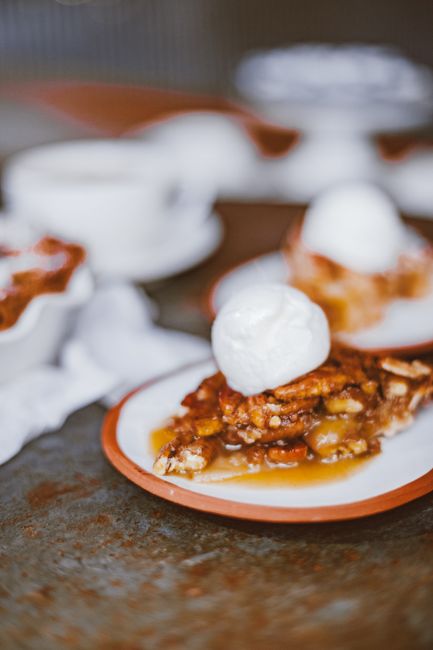
Salted Caramel Apple Pie A La Mode: A Decadent Culinary Experience
The quintessential American dessert, apple pie, receives a sophisticated and utterly irresistible upgrade with the addition of salted caramel and the luxurious indulgence of a la mode. This is not merely a pie; it is a symphony of textures and flavors, a celebration of sweet, salty, tart, and creamy that appeals to the most discerning palates. The humble apple, when embraced by the rich embrace of homemade salted caramel sauce and crowned with a scoop of cool, melting vanilla ice cream, transforms into an experience that is both comforting and exhilarating. Understanding the nuances of each component – from selecting the perfect apples and crafting a flaky crust to achieving the ideal salted caramel consistency and choosing the right ice cream – is key to unlocking the full potential of this culinary masterpiece. This article will delve deep into each element, providing comprehensive guidance for home bakers seeking to recreate this iconic dessert with exceptional results, while also exploring the SEO considerations that make this topic a compelling search term for dessert enthusiasts worldwide.
The foundation of any great apple pie is, of course, the apples. The choice of apple variety significantly impacts the final flavor profile and texture. For salted caramel apple pie, a blend of sweet and tart apples is ideal to create a balanced filling that doesn’t become cloying. Granny Smith apples are a non-negotiable for their exceptional tartness and firm texture that holds its shape during baking, preventing a mushy filling. They provide a bright counterpoint to the rich sweetness of the caramel. However, relying solely on Granny Smiths can result in a pie that is too sharp for some. Therefore, incorporating sweeter, softer varieties is crucial. Honeycrisp apples are a popular choice for their explosive crispness and balanced sweet-tart flavor. Fuji apples offer a delightful sweetness with a hint of honey and a good texture. Gala apples are another excellent option, providing a mild sweetness and a tender bite. For optimal flavor and texture, a ratio of roughly 60% tart (like Granny Smith) to 40% sweet (like Honeycrisp or Fuji) is recommended. Beyond variety, the ripeness of the apples is also important. Overripe apples will break down too much, leading to a watery filling, while underripe apples may not soften sufficiently and can remain tough. Look for firm, unblemished apples with a pleasant aroma. The preparation of the apples is equally critical. They should be peeled, cored, and sliced uniformly, typically into ¼-inch thick slices. This ensures even cooking and distribution throughout the pie. Some bakers prefer to dice their apples, but slicing is generally favored for a more traditional pie texture. Before assembling the pie, the apple slices are often tossed with a mixture of sugar (granulated and brown sugar for depth), cinnamon, nutmeg, a touch of allspice, and a thickening agent such as flour or cornstarch. The sugar helps to draw out moisture from the apples, creating a luscious syrupy filling. The spices are essential for that warm, comforting aroma and flavor associated with apple pie. A small amount of lemon juice can also be added to brighten the apple flavor and prevent browning if preparing the filling in advance.
The crust is the edible embrace that cradles the apple filling, and for salted caramel apple pie a la mode, a superior crust is paramount. The ideal pie crust is flaky, tender, and buttery, providing a satisfying textural contrast to the soft apples and creamy ice cream. For many, the ultimate pie crust is made from scratch, utilizing a combination of all-purpose flour, cold butter, and ice water. The key to flakiness lies in keeping the fat (butter) cold and in distinct pieces. As the pie bakes, the water in the butter turns to steam, creating pockets within the dough, resulting in those coveted flaky layers. All-butter crusts offer unparalleled flavor, but some bakers opt for a combination of butter and shortening. Shortening contributes to a more tender and less greasy crust. The ratio of fat to flour, the temperature of the ingredients, and the handling of the dough are all critical. Overworking the dough will develop the gluten too much, resulting in a tough crust. The dough should be mixed until just combined, with visible streaks of butter. Resting the dough in the refrigerator for at least 30 minutes before rolling out is crucial, allowing the gluten to relax and the fat to firm up, which makes it easier to handle and prevents shrinkage during baking. For a double-crust pie, such as this one, both a bottom and a top crust are required. The bottom crust should be blind-baked partially or fully depending on the moisture content of the filling, to prevent a soggy bottom. The top crust can be left whole, vented, or cut into strips for a lattice design. A lattice top is particularly aesthetically pleasing for salted caramel apple pie, allowing glimpses of the bubbling filling and caramel underneath. Brushing the top crust with an egg wash or milk before baking creates a beautiful golden-brown finish and can be followed by a sprinkle of coarse sugar for added texture and visual appeal. The quality of the flour used also plays a role; a good quality all-purpose flour will yield better results.
The star of the show, beyond the apples themselves, is the salted caramel sauce. This decadent element elevates the traditional apple pie to a new level of indulgence. Making homemade salted caramel is surprisingly straightforward, but requires attention to detail. The basic ingredients are sugar, water, butter, and heavy cream, along with a pinch of salt. The sugar and water are heated together to create a sugar syrup, which is then cooked until it reaches an amber color. This caramelization process is crucial for developing the rich, complex flavor of the caramel. It’s important to monitor the temperature and color closely, as burnt sugar will impart a bitter taste. Once the sugar has reached the desired caramelization, the heat is reduced, and cold butter is whisked in. The butter adds richness and a smooth texture. Subsequently, warm heavy cream is slowly whisked into the mixture. This step requires caution as the mixture will bubble up significantly. The salt is added at the end, and its quantity can be adjusted to individual preference. A good starting point is ½ to 1 teaspoon of flaky sea salt per cup of caramel. The salt not only enhances the sweetness but also provides a crucial counterpoint to the richness, preventing the caramel from becoming cloying. The consistency of the caramel is also important. For drizzling over the pie, a pourable but not overly thin consistency is desired. If the caramel is too thick, a touch more cream can be whisked in. If it’s too thin, it can be gently reheated and reduced. For a salted caramel apple pie, some of the caramel can be mixed into the apple filling before baking, while the rest is reserved for drizzling over the finished pie and the ice cream. This creates layers of caramel flavor and ensures that every bite is infused with its deliciousness. The quality of the ingredients for the caramel is also worth noting; using good quality butter and heavy cream will contribute to a superior flavor and texture.
The final crowning glory of this dessert is the “a la mode” component, which translates from French to "in the style of" or "with ice cream." For salted caramel apple pie, vanilla ice cream is the classic and arguably the most perfect accompaniment. Its cool, creamy sweetness provides a delightful contrast to the warm, spiced apples and the rich, gooey salted caramel. The melting ice cream creates a luxurious sauce that mingles with the caramel and apple juices, forming an even more complex and decadent experience. When choosing vanilla ice cream, opt for a high-quality, premium vanilla bean ice cream. The flecks of vanilla bean are indicative of a richer, more authentic vanilla flavor that will complement the other elements without overpowering them. Avoid artificial vanilla flavoring, which can taste too sweet and one-dimensional. The temperature of the ice cream is also important; it should be firm enough to scoop but not rock-hard. Serving the pie warm, straight from the oven, with a generous scoop of cold ice cream is the ideal way to experience the textural and temperature contrast. Some bakers might consider other ice cream flavors, such as a salted caramel ice cream to double down on the caramel theme, or a cinnamon ice cream to echo the spices in the pie. However, vanilla remains the timeless champion for its ability to highlight, rather than compete with, the other flavors. The melting ice cream also acts as a natural emulsifier, bringing all the components of the dessert together in a harmonious blend. The temperature differential is key to the sensory pleasure of this dessert, with the warm pie creating a delightful environment for the cold ice cream to slowly melt and infuse the surrounding elements.
The SEO value of "salted caramel apple pie a la mode" lies in its descriptive nature and the popularity of its individual components. Search engines are designed to understand user intent, and this phrase clearly signals a desire for a specific, indulgent dessert recipe. The inclusion of "apple pie," "salted caramel," and "a la mode" targets multiple popular search queries. For example, users searching for "best apple pie recipe," "how to make salted caramel," or "desserts with ice cream" might all be drawn to this comprehensive topic. The use of strong keywords within the article, such as "homemade pie crust," "caramel sauce recipe," "fall desserts," "comfort food," and "best apple varieties for pie," further enhances its searchability. Including variations in phrasing, like "caramel apple pie with ice cream" or "decadent apple pie," can also capture a wider audience. Optimizing headings and subheadings with relevant keywords is crucial. For instance, headings like "Crafting the Perfect Salted Caramel Sauce," "The Art of the Flaky Pie Crust," and "Choosing the Ideal Apples for Pie" will signal to search engines the core content of each section. The use of descriptive language and detailed instructions also contributes to SEO, as it provides valuable content that users are likely to engage with. High-quality images (not included in this text format, but essential for online articles) of the finished pie, the caramel sauce, and the baking process are also critical for search engine rankings and user engagement. Backlinking to related recipes, such as a basic pie crust recipe or a guide to caramel making, can also improve SEO by demonstrating topical authority and providing additional value to the reader. The sheer descriptiveness of the title, "Salted Caramel Apple Pie A La Mode," is a powerful SEO tool in itself, acting as a clear and concise descriptor for what users can expect to find. The combination of sweet, salty, tart, and creamy flavors is a universally appealing concept that translates into high search interest, making this a highly searchable and engaging culinary topic. The inherent indulgence of the dessert also contributes to its popularity, as users often search for special occasion treats or decadent comfort food. This makes the topic inherently rich in search potential, appealing to both casual bakers and serious dessert enthusiasts alike.
To truly master salted caramel apple pie a la mode, consider these additional tips and considerations. For the caramel, ensure all your ingredients are measured and ready before you begin cooking the sugar. The process moves quickly, and you don’t want to be scrambling for ingredients when the sugar is at the crucial amber stage. If your caramel seizes (hardens) when you add the cream, don’t despair. You can often salvage it by gently reheating the mixture over low heat and whisking until smooth again. For the pie crust, if it starts to brown too quickly during baking, you can loosely tent it with aluminum foil. This allows the interior to cook without burning the edges. For the apple filling, if you find your apples release a lot of liquid during baking, you can carefully drain some of it off towards the end of the baking process, thickening it separately to make a quick caramel-apple glaze. However, with proper pie dough and apple preparation, this is usually not an issue. Experimentation with the salt level in the caramel is encouraged. Some prefer a more pronounced salty kick, while others favor a subtler hint. Flaky sea salt, like Maldon, is ideal for finishing as it dissolves beautifully and provides those delightful little pops of salinity. The final presentation can be enhanced with a drizzle of extra caramel sauce over the ice cream, a dusting of cinnamon, or even a few candied apple slices. The beauty of this dessert lies in its adaptability, allowing for personal touches and ingredient variations to suit individual preferences. Ultimately, the journey to creating the perfect salted caramel apple pie a la mode is one of sensory exploration, from the satisfying crunch of the crust to the warm, yielding embrace of the apples, the sweet and salty dance of the caramel, and the cool, creamy finale of the vanilla ice cream. This dessert is more than just a recipe; it’s an experience that embodies comfort, celebration, and pure culinary joy, making it a consistently popular search term for anyone seeking the ultimate sweet treat.
