
Instant Pot Red Thai Curry Chicken
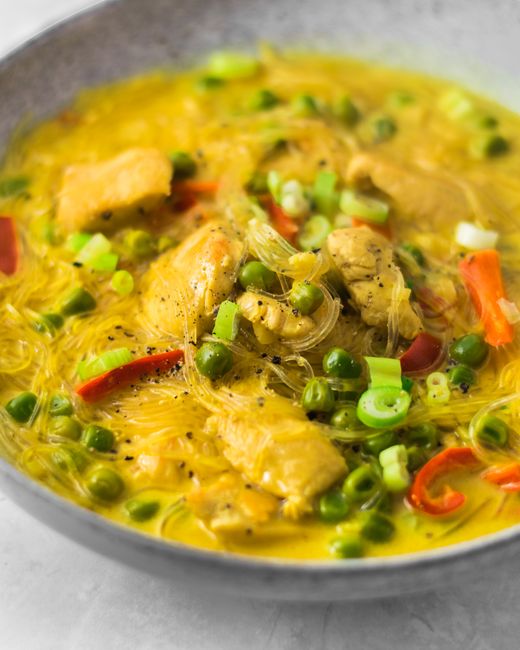
Instant Pot Thai Red Curry Chicken: An Effortless & Flavorful Weeknight Meal
The Instant Pot has revolutionized weeknight cooking, transforming dishes that once required hours of simmering into quick, pressure-cooked triumphs. This Instant Pot Thai Red Curry Chicken is a prime example. It delivers the complex, aromatic, and spicy flavors of authentic Thai red curry with minimal effort and in a fraction of the traditional time. Forget takeout menus; this recipe empowers you to create a restaurant-quality curry in your own kitchen, perfect for busy families, novice cooks, or anyone craving a deeply satisfying and globally inspired meal.
The beauty of this Instant Pot method lies in its ability to infuse the chicken and vegetables with the rich, fragrant curry paste and coconut milk under pressure. This pressure cooking technique tenderizes the chicken beautifully, making it incredibly moist and succulent, while simultaneously melds the flavors of the curry paste, aromatics, and coconut milk into a harmonious symphony. The entire process, from sautéing the aromatics to the final pressure release, can be completed in under 30 minutes, making it an ideal solution for those evenings when time is of the essence but the desire for a delicious and healthy meal remains strong.
To begin crafting this flavorful Instant Pot Thai Red Curry Chicken, gather your ingredients. You will need approximately 1.5 to 2 pounds of boneless, skinless chicken thighs or breasts, cut into bite-sized pieces. Chicken thighs are generally preferred for their superior moisture retention and richer flavor, but breasts work well too, provided they are not overcooked. The foundation of the curry’s flavor comes from a good quality red curry paste. Aim for an authentic Thai brand for the best results, and adjust the amount to your preferred level of spice. Typically, 2 to 4 tablespoons will suffice, but feel free to add more or less depending on your heat tolerance.
The creamy richness of the curry is provided by full-fat coconut milk. Two cans (approximately 13.5 ounces each) will create a luscious sauce. For added depth and a touch of sweetness, you’ll need a tablespoon of brown sugar or coconut sugar. Fish sauce is an indispensable ingredient in Thai cooking, providing umami and a savory depth that is difficult to replicate. Start with 1 to 2 tablespoons, adding more to taste. A squeeze of lime juice at the end will brighten the flavors and cut through the richness of the coconut milk.
Beyond the core curry components, a medley of vegetables adds texture, color, and nutrients. Common choices include sliced red bell pepper, green bell pepper, and broccoli florets. Sliced carrots, snow peas, or snap peas also work wonderfully. For aromatics, you’ll need finely minced garlic and ginger, and optionally, sliced shallots or onions. Fresh cilantro and Thai basil are ideal for garnishing, adding a burst of freshness and herbaceous notes. Jasmine rice is the classic accompaniment for serving, but quinoa or even cauliflower rice can be used for a lower-carb option.
The Instant Pot cooking process begins with the "Sauté" function. Add a tablespoon of neutral oil, such as vegetable or avocado oil, to the inner pot. Once the oil is shimmering, add your minced garlic and ginger (and shallots/onions if using). Sauté for about 1-2 minutes until fragrant, being careful not to burn them. This step unlocks the aromatic oils and lays the groundwork for the complex flavor profile of the curry.
Next, add the red curry paste to the pot. Stir it into the sautéed aromatics and cook for another minute or two. This step is crucial for blooming the spices in the curry paste, intensifying their flavor and releasing their fragrant oils. You will notice the aroma becoming significantly more robust as the paste toasts slightly in the hot oil.
Now, it’s time to introduce the liquid components. Pour in both cans of coconut milk, scraping the bottom of the pot to deglaze and incorporate any browned bits from the sautéing. Add the brown sugar (or coconut sugar) and fish sauce. Stir everything together to combine thoroughly.
Add your prepared chicken pieces to the pot. Ensure they are submerged in the liquid as much as possible. If you are adding firmer vegetables like carrots at this stage, you can add them now as well.
Secure the lid of your Instant Pot and set the valve to the "Sealing" position. Select the "Pressure Cook" or "Manual" setting and set the cooking time to 8 minutes on High Pressure. The Instant Pot will then come up to pressure, which can take several minutes depending on the amount of liquid in the pot. Once it reaches pressure, the 8-minute timer will begin.
Once the cooking cycle is complete, allow for a Natural Pressure Release (NPR) for at least 5 minutes. This slow release of pressure allows the flavors to continue to meld and the chicken to finish cooking gently, preventing it from becoming tough. After 5 minutes of NPR, carefully perform a Quick Release (QR) of any remaining pressure by moving the steam release valve to the "Venting" position. Be cautious of the escaping steam.
Once the float valve has dropped, indicating that all pressure has been released, carefully open the lid. At this point, if you are using softer vegetables like broccoli florets or bell peppers, you can add them now and stir them into the hot curry. Close the lid again (without sealing the pressure valve) and allow the residual heat from the curry to gently cook these vegetables for about 5-7 minutes until they are tender-crisp. This ensures they retain their vibrant color and a slight bite.
Stir in the freshly squeezed lime juice. Taste the curry and adjust seasonings as needed. You may want to add a touch more fish sauce for saltiness and umami, or a pinch more sugar for sweetness. If it’s not spicy enough, you can stir in a little more red curry paste or a pinch of red pepper flakes.
To serve, ladle the Instant Pot Thai Red Curry Chicken over fluffy jasmine rice. Garnish generously with fresh chopped cilantro and Thai basil leaves. For an extra kick, a drizzle of sriracha or a sprinkle of toasted sesame seeds can be added. This dish is incredibly versatile and can be adapted to include other vegetables or proteins. Tofu or shrimp can be substituted for chicken, though cooking times may need to be adjusted.
The flavor profile of Thai red curry is complex and layered. The red curry paste itself is a blend of dried chilies, lemongrass, galangal, garlic, shallots, shrimp paste, and various spices. This foundation is amplified by the creamy richness of coconut milk, the savory depth of fish sauce, and the aromatic sweetness of palm sugar. The heat from the chilies is balanced by the cooling effect of the coconut milk, creating a harmonious and addictive flavor experience.
The Instant Pot’s pressure cooking mechanism significantly shortens the time required to achieve this flavor complexity. In a traditional stovetop curry, the paste and liquids would simmer for a prolonged period to allow the flavors to meld and the chicken to become tender. The pressure in the Instant Pot forces the liquid and aromatics into the food at a molecular level, accelerating the flavor infusion process and ensuring tender chicken in a fraction of the time.
For optimal flavor, using high-quality ingredients is paramount. Opt for a reputable brand of red curry paste, as the quality can vary significantly. Similarly, full-fat coconut milk will yield a richer, more authentic texture and flavor than light coconut milk. Fresh aromatics like ginger and garlic contribute significantly to the overall aroma and taste, so avoid using pre-minced varieties if possible.
Storage and reheating of this Instant Pot Thai Red Curry Chicken are straightforward. Leftovers can be stored in an airtight container in the refrigerator for up to 3-4 days. When reheating, it’s best to do so gently on the stovetop over low heat, stirring occasionally, or in the microwave. You may need to add a splash of water or coconut milk to loosen the sauce if it has thickened.
This Instant Pot Thai Red Curry Chicken recipe is a testament to the power of modern kitchen appliances in simplifying complex culinary traditions. It bridges the gap between authentic Thai flavors and the demands of a busy lifestyle, offering a delicious, healthy, and remarkably easy meal. The convenience of the Instant Pot, combined with the vibrant and irresistible taste of Thai red curry, makes this a recipe you will turn to again and again. It’s a dish that satisfies cravings, nourishes the body, and introduces a world of flavor to your dinner table with minimal fuss.
The nutritional benefits of this dish are also noteworthy. Chicken is a lean protein source, essential for muscle repair and satiety. Coconut milk provides healthy fats, and the medley of vegetables contributes essential vitamins, minerals, and fiber. When served with jasmine rice, it offers a balanced meal. For those seeking a lower-carbohydrate option, substituting cauliflower rice or serving it as a stew without rice significantly reduces the carbohydrate content while retaining all the vibrant flavors.
To further enhance the SEO of this article, consider incorporating relevant keywords naturally throughout the text. Examples include: "Instant Pot curry," "Thai chicken recipe," "easy weeknight dinner," "quick curry," "coconut milk chicken," "pressure cooker meals," "spicy chicken curry," and "healthy dinner ideas." The consistent use of these terms, particularly in headings, subheadings (if used), and within the descriptive text, will help search engines understand the content and rank it accordingly for relevant user queries.
Furthermore, the article’s structure, starting immediately with the title and diving into the core content, is an effective SEO strategy as it avoids unnecessary introductory fluff that search engines might interpret as less relevant. The focus remains on providing actionable information and a comprehensive recipe. The detailed ingredient list and step-by-step instructions are crucial for both user experience and SEO, as they directly address user intent when searching for a recipe.
The emphasis on the benefits of using an Instant Pot, such as speed and tenderness, also appeals to a specific audience and targets long-tail keywords related to Instant Pot cooking. This comprehensive approach ensures that the article is not only informative and engaging for readers but also well-optimized for search engine visibility. The inclusion of storage and reheating instructions adds further value and completeness, covering the entire lifecycle of the dish from preparation to consumption and beyond. This level of detail demonstrates expertise and provides a more complete resource for the user.
