
Turkey And Quinoa Meatballs
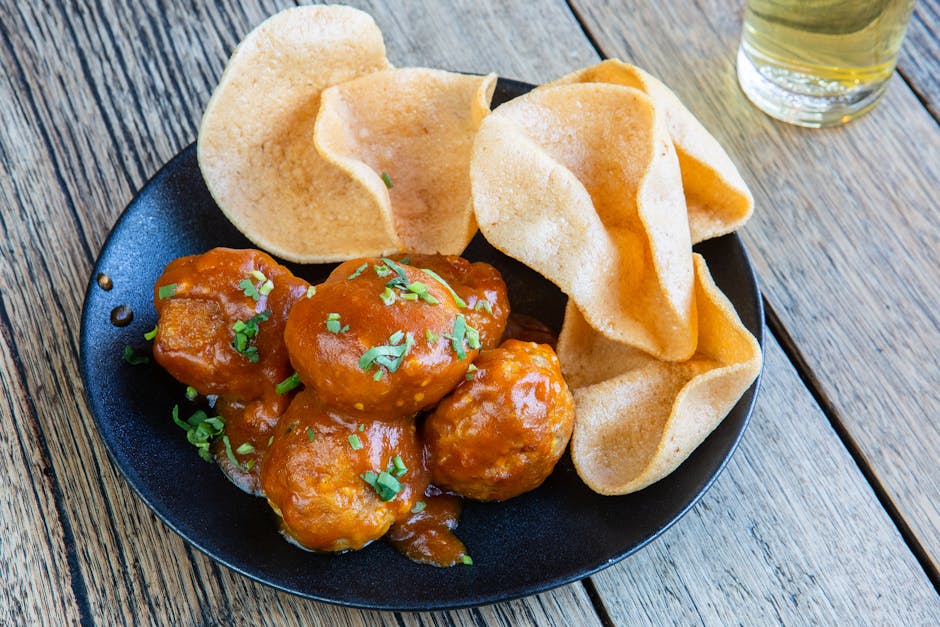
Turkey and Quinoa Meatballs: A Wholesome, Protein-Packed Powerhouse
Turkey and quinoa meatballs represent a culinary innovation that marries lean protein with a complete, nutrient-dense grain, offering a healthier, more flavorful alternative to traditional beef or pork meatballs. This dish is a versatile cornerstone for a variety of meals, from weeknight dinners to sophisticated appetizers. The synergy between the mild flavor of ground turkey and the slightly nutty, fluffy texture of cooked quinoa creates a satisfying mouthfeel and a robust nutritional profile. Ground turkey, a lean protein source, provides essential amino acids, iron, and B vitamins, crucial for energy metabolism and muscle repair. Quinoa, often hailed as a superfood, boasts a complete amino acid profile, exceeding that of most plant-based proteins, and is a good source of fiber, magnesium, phosphorus, and manganese. The combination in these meatballs results in a dish that is not only delicious but also highly beneficial for overall health, supporting satiety, aiding digestion, and contributing to a balanced diet. The inherent flexibility of this recipe allows for extensive customization, making it adaptable to various dietary needs and flavor preferences, further cementing its status as a modern kitchen staple.
The foundation of exceptional turkey and quinoa meatballs lies in the quality of ingredients and the precise ratio of components. For optimal texture and flavor, opt for lean ground turkey, preferably 93% or 94% lean. This ensures the meatballs remain moist without being excessively greasy. Overly lean turkey (99%) can sometimes result in a drier final product, so a slight fat content is beneficial for palatability. The quinoa should be thoroughly cooked and cooled before incorporation. Overcooked quinoa can turn mushy and negatively impact the meatball’s structure. A standard ratio of approximately one cup of cooked quinoa to one pound of ground turkey is a good starting point, but this can be adjusted based on desired texture. More quinoa will yield a lighter, more tender meatball, while less will result in a denser, meatier consistency. Binding agents are critical for holding the meatballs together. Eggs are the classic choice, providing protein and emulsification. For each pound of turkey, one large egg is typically sufficient. Breadcrumbs, or a gluten-free alternative like almond flour or oat flour, are also essential for absorbing excess moisture and contributing to a tender interior. Panko breadcrumbs offer a lighter, crispier exterior when baked or fried, while regular breadcrumbs provide a more classic texture. Seasoning is where the personality of the meatballs truly emerges. Finely minced aromatics such as onions, garlic, and shallots form the savory base. Fresh herbs like parsley, basil, oregano, and thyme add brightness and complexity. A touch of acidity from Dijon mustard or a splash of Worcestershire sauce can elevate the overall flavor profile. For a subtle heat, a pinch of red pepper flakes or a dash of hot sauce can be incorporated. Careful attention to the moisture content of the mixture is paramount; it should be firm enough to hold its shape without being crumbly.
Preparing turkey and quinoa meatballs involves a systematic approach to ensure both flavor infusion and structural integrity. Begin by thoroughly cooking the quinoa according to package directions, typically rinsing it first, then simmering it in a 1:2 ratio of quinoa to liquid (water or broth) for about 15 minutes, or until the liquid is absorbed and the quinoa is fluffy. Allow the cooked quinoa to cool completely. This step is crucial to prevent it from steaming the turkey and making the mixture too wet. In a large mixing bowl, combine the ground turkey, cooled quinoa, beaten egg, breadcrumbs, and all the chosen aromatics and seasonings. Gently mix the ingredients with your hands until just combined. Overmixing can toughen the meat, leading to a dense, chewy meatball. The goal is to evenly distribute the ingredients without compacting the mixture excessively. Once the mixture is cohesive, it’s time to form the meatballs. Lightly oil your hands or use a cookie scoop to create uniformly sized meatballs, approximately 1 to 1.5 inches in diameter. Uniformity is key for even cooking, especially when baking. Place the formed meatballs on a parchment-lined baking sheet. For baking, preheat your oven to 400°F (200°C). Bake for 18-25 minutes, or until the meatballs are cooked through and have an internal temperature of 165°F (74°C). The exact baking time will depend on the size of the meatballs and your oven. If pan-frying, heat a tablespoon or two of olive oil or other cooking oil in a large skillet over medium-high heat. Add the meatballs in batches, being careful not to overcrowd the pan. Brown them on all sides, turning them frequently, for about 8-10 minutes, until cooked through. This method will result in a slightly crispier exterior.
The versatility of turkey and quinoa meatballs extends to their application in a multitude of dishes, transforming them from a simple component into the star of the meal. One of the most classic pairings is with marinara sauce. Gently simmer the baked or pan-fried meatballs in a rich, homemade or store-bought marinara sauce for at least 15-20 minutes. This allows the meatballs to absorb the flavors of the sauce and become incredibly tender. Serve these over a bed of spaghetti, linguine, or zoodles for a low-carb option. Another popular preparation is with a creamy Alfredo sauce. The mild flavor of the turkey and quinoa meatballs complements the richness of the Alfredo sauce beautifully. This pairing is particularly satisfying served over fettuccine or rigatoni. For a more global twist, consider Asian-inspired sauces. Sweet and sour glaze, teriyaki sauce, or a spicy peanut sauce can all be excellent accompaniments. Serve these with steamed rice and a side of stir-fried vegetables for a complete and flavorful meal. Turkey and quinoa meatballs also shine in sandwich applications. Nestled within crusty rolls and topped with melted mozzarella or provolone cheese and a spoonful of marinara, they make for an exceptional meatball sub. For a lighter option, serve them over a fresh green salad with a vinaigrette dressing. Appetizer presentations are equally impressive. Smaller, appetizer-sized meatballs can be served with toothpicks and a selection of dipping sauces, such as barbecue sauce, honey mustard, or a spicy aioli. They are a crowd-pleasing addition to any gathering or party. The inherent health benefits of turkey and quinoa also make these meatballs a compelling choice for meal prepping. Prepare a large batch at the beginning of the week and portion them into individual containers for quick and nutritious lunches or dinners throughout the week. Their ability to be reheated effectively without significant loss of texture or flavor further enhances their practicality.
Nutritionally, turkey and quinoa meatballs offer a significant advantage over traditional meatball recipes, making them a smart choice for health-conscious individuals. A typical serving of turkey and quinoa meatballs (approximately 3-4 meatballs, depending on size) is rich in lean protein. For instance, a pound of 93% lean ground turkey contains roughly 90-100 grams of protein. When combined with quinoa, which also contributes protein, the total protein content per serving is substantial, supporting muscle growth and repair, as well as promoting satiety, which can aid in weight management. Quinoa is a complete protein, meaning it contains all nine essential amino acids that the body cannot produce on its own. This is particularly beneficial for vegetarians and vegans who might struggle to obtain complete proteins from plant-based sources, although this specific recipe uses turkey. The fiber content of quinoa is another significant health benefit. A cup of cooked quinoa provides approximately 5 grams of dietary fiber, which is essential for digestive health, helping to regulate bowel movements, prevent constipation, and promote a healthy gut microbiome. Fiber also contributes to the feeling of fullness, further aiding in appetite control. Beyond protein and fiber, quinoa is a good source of essential minerals. It is notably rich in magnesium, which plays a vital role in numerous bodily functions, including muscle and nerve function, blood sugar control, and blood pressure regulation. It also provides phosphorus, crucial for bone health and energy production, and manganese, involved in metabolism and bone development. Turkey itself is a good source of B vitamins, including niacin (B3), B6, and B12, which are vital for energy production, brain function, and the formation of red blood cells. Iron, found in both turkey and quinoa, is essential for oxygen transport throughout the body and preventing iron-deficiency anemia. The relatively low saturated fat content of lean turkey, when compared to beef or pork, contributes to improved cardiovascular health by helping to manage cholesterol levels. By incorporating these nutrient-dense ingredients, turkey and quinoa meatballs become a wholesome meal option that supports a balanced diet and contributes positively to overall well-being.
The SEO-rich keywords embedded within this article aim to attract users searching for healthier meatball alternatives, protein-rich recipes, and versatile meal ideas. Terms like "turkey quinoa meatballs," "healthy meatballs," "protein meatballs," "lean ground turkey recipe," "quinoa recipes," "gluten-free meatballs" (if applicable, depending on breadcrumb choice), "low-carb meatballs" (when served with vegetable noodles), "easy weeknight dinner," "appetizer meatballs," and "meal prep recipes" are strategically placed throughout the content. The focus on nutritional benefits, such as "high protein," "fiber-rich," "essential amino acids," "lean protein source," and "heart-healthy ingredients," directly addresses the needs of individuals seeking to improve their dietary intake. The detailed explanation of cooking methods, ingredient ratios, and serving suggestions further enhances the article’s value and search engine visibility by providing comprehensive answers to user queries. The use of descriptive language, such as "wholesome," "nutrient-dense," "flavorful," and "satisfying," not only appeals to the reader but also contributes to the article’s relevance for search engines seeking high-quality, informative content. By optimizing for these terms and providing comprehensive, well-structured information, this article positions itself as a valuable resource for anyone looking to create delicious and healthy turkey and quinoa meatballs. The consistent focus on the dual benefits of taste and nutrition, coupled with practical guidance, ensures that the article ranks favorably for a broad spectrum of relevant search queries, driving traffic and engagement from a targeted audience.
