
Bacon Egg And Cheese Strata
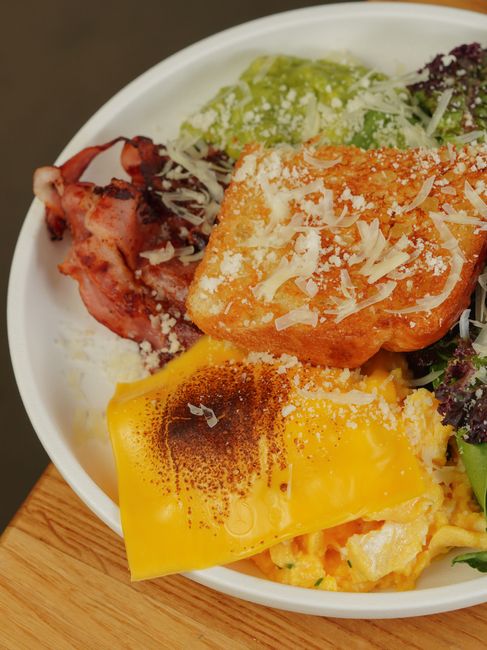
Bacon Egg and Cheese Strata: A Comprehensive Guide to the Ultimate Savory Breakfast Bake
Bacon egg and cheese strata represents the pinnacle of savory breakfast casseroles, a dish that seamlessly blends the rich, salty crunch of bacon, the creamy custardy embrace of eggs, and the gooey, melty satisfaction of cheese, all bound together by cubes of day-old bread. More than just a breakfast, it’s a sophisticated yet comforting centerpiece, perfect for brunches, holidays, or any occasion demanding a substantial and flavorful start to the day. The beauty of strata lies in its inherent adaptability, its ability to transform humble ingredients into something truly extraordinary. At its core, it’s a layered baked dish, similar in concept to a bread pudding, but distinguished by its savory profile and the generous inclusion of eggs and cheese, creating a unique texture and depth of flavor. The bread, typically slightly stale, acts as a sponge, soaking up the liquid egg mixture and developing a tender, almost cake-like interior punctuated by crispy, golden-brown edges. The interplay of textures – the crisp bacon, the soft bread, the yielding egg, and the melted cheese – is what elevates this dish from mere sustenance to a culinary experience. Understanding the fundamental components and their interactions is key to mastering the art of bacon egg and cheese strata, ensuring a consistently delicious and crowd-pleasing outcome.
The foundation of any successful bacon egg and cheese strata is the bread. While a specific type of bread isn’t strictly mandated, certain characteristics lend themselves to superior results. Day-old or slightly stale bread is paramount because it possesses a drier crumb, allowing it to absorb the egg custard more effectively without becoming completely mushy. Think of it like a well-seasoned cast-iron skillet; it needs to be ready to receive and hold. Brioche, challah, or French baguette are excellent choices due to their rich flavor and open crumb structure, which facilitates maximum custard absorption. Sourdough also works wonderfully, offering a subtle tang that complements the savory elements. The bread should be cut into roughly 1-inch cubes. Too small, and they risk dissolving into an unappealing paste; too large, and the custard might not penetrate sufficiently, leaving dry pockets. For a truly exceptional strata, consider toasting the bread cubes lightly before assembling. This pre-toasting step further enhances their ability to absorb without becoming waterlogged, and also contributes to a more defined, pleasing texture in the finished dish, preventing sogginess and promoting delightful crisp edges. The toasted cubes will still soften beautifully in the custard, but they retain a structural integrity that is crucial for a strata that is both moist and texturally interesting.
Bacon is the undisputed star of this particular strata, its salty, smoky essence permeating every bite. The quality of the bacon significantly impacts the final flavor profile. Opt for a good quality, thick-cut bacon for optimal crispiness and a more robust flavor. While standard pork bacon is the classic choice, feel free to explore variations like applewood smoked or hickory smoked bacon for subtle flavor enhancements. The bacon needs to be cooked to a desirable level of crispness before being incorporated into the strata. This can be achieved by pan-frying or baking. For pan-frying, cook the bacon over medium heat until it reaches your preferred level of doneness, drain excess fat on paper towels, and then crumble or chop it into bite-sized pieces. Baking the bacon on a wire rack set over a baking sheet offers a more hands-off approach and often results in exceptionally even crisping. Again, drain the rendered fat thoroughly. This fat, however, is not to be entirely discarded; a small amount can be reserved and used to sauté aromatics or even to lightly grease the baking dish for an extra layer of flavor. The rendered bacon fat is a flavor enhancer, adding a savory depth that is difficult to replicate with other fats.
The egg custard is the unifying element of the strata, binding all the ingredients together into a cohesive, rich, and flavorful bake. A good custard is about balance. A common ratio is approximately 1 large egg per cup of liquid, but this can be adjusted based on the desired richness and texture. For a classic bacon egg and cheese strata, a mixture of whole eggs and milk or cream is typical. Whole milk provides a good balance of richness and liquidity. For an even more decadent strata, consider using half-and-half or heavy cream, which will result in a richer, more luxurious custard. A common starting point is 6-8 large eggs and 2-3 cups of milk or a cream mixture, depending on the volume of bread and other ingredients. Beyond the eggs and dairy, seasoning is crucial. Salt and freshly ground black pepper are essential. Consider adding a pinch of nutmeg, which, while seemingly counterintuitive in a savory dish, has a remarkable ability to enhance the richness of eggs and dairy without imparting a distinct nutmeg flavor. A touch of Dijon mustard can also add a subtle tang and complexity. Some recipes also incorporate finely chopped fresh herbs like chives, parsley, or thyme, which add a fresh, aromatic dimension. The key to a smooth, lump-free custard is thorough whisking. Ensure the eggs are completely beaten and the liquids are fully incorporated.
Cheese plays a vital role in both flavor and texture in bacon egg and cheese strata. The goal is to achieve that coveted gooey, melted goodness. A good melting cheese is paramount. Sharp cheddar is a classic for a reason, offering a tangy bite that cuts through the richness. Gruyère provides a nutty, complex flavor and melts beautifully. Monterey Jack offers a mild, creamy profile that is also an excellent melter. For added depth, consider a blend of cheeses. A combination of cheddar and Gruyère, or cheddar and Monterey Jack, can create a more nuanced and satisfying cheesy experience. The cheese can be incorporated in several ways: layered within the strata, mixed into the custard, or sprinkled generously on top. For maximum meltiness and visual appeal, a generous topping of shredded cheese is often preferred. Grating your own cheese from a block generally yields superior melting results compared to pre-shredded cheeses, which often contain anti-caking agents that can inhibit smooth melting. The amount of cheese is a matter of personal preference, but a good starting point is 1-2 cups of shredded cheese for a standard 9×13 inch strata.
The assembly of a bacon egg and cheese strata is a process of layering and allowing time for the flavors to meld. This latter step, often overlooked, is critical for a truly great strata. Begin by lightly greasing your baking dish, using butter, cooking spray, or even a bit of the reserved bacon fat for an extra flavor boost. Then, layer the bread cubes, bacon pieces, and shredded cheese in the baking dish. You can create distinct layers, or gently toss the ingredients together for a more rustic distribution. Pour the whisked egg custard evenly over the layered ingredients, ensuring that the bread cubes are thoroughly saturated. Gently press down on the bread with a spatula or the back of a spoon to encourage absorption. Once assembled, the crucial step is to refrigerate the strata for at least 4 hours, and ideally overnight. This resting period allows the bread to fully absorb the custard, preventing dry pockets and ensuring a uniform, tender texture throughout. It also allows the flavors to marry and develop, creating a more harmonious and complex final dish. Think of it as a slow marinade for your breakfast bake. This chilling period is what transforms a good strata into an exceptional one.
Baking the bacon egg and cheese strata requires attention to temperature and timing to achieve that perfect golden-brown exterior and moist, custardy interior. Preheat your oven to 350°F (175°C). Cover the baking dish tightly with aluminum foil for the initial baking period. This prevents the top from browning too quickly before the interior is cooked through. Bake for approximately 30-45 minutes, or until the custard is mostly set around the edges. Then, remove the foil and continue to bake for another 15-25 minutes, or until the top is golden brown and the center is just set. You can test for doneness by inserting a knife into the center; it should come out mostly clean, with perhaps a few moist crumbs attached. Avoid overbaking, which can result in a dry, rubbery strata. The residual heat will continue to cook the strata slightly after it’s removed from the oven, so aim for a just-set center. Allow the strata to rest for at least 10-15 minutes after removing it from the oven before slicing and serving. This resting period allows the custard to fully set and prevents the strata from falling apart when cut.
Variations on the classic bacon egg and cheese strata abound, offering opportunities for creative culinary exploration. For a touch of earthiness, consider adding sautéed mushrooms, spinach, or caramelized onions. These vegetables add moisture, flavor, and visual appeal. A spicy kick can be introduced with the addition of diced jalapeños, red pepper flakes, or a swirl of sriracha into the custard. For a heartier dish, breakfast sausage can be crumbled and added alongside or in place of some of the bacon. Different cheese combinations, as mentioned previously, can dramatically alter the flavor profile. Exploring artisanal cheeses can elevate the strata to a gourmet level. For a lighter option, consider using a reduced-fat milk or a combination of milk and Greek yogurt in the custard, though this may slightly alter the texture. Herbs play a significant role in adding freshness and complexity. Fresh chives, parsley, dill, or a combination of your favorites can be mixed into the custard or sprinkled on top before baking. The possibilities for customization are virtually endless, allowing you to tailor the strata to your specific tastes and the ingredients you have on hand.
The optimal way to serve bacon egg and cheese strata is warm, directly from the oven, after its brief resting period. Sliced into generous portions, it’s a complete meal in itself, offering a satisfying combination of protein, carbohydrates, and fat. However, it also pairs beautifully with a variety of accompaniments. A simple side salad with a light vinaigrette can provide a refreshing counterpoint to the richness of the strata. Fresh fruit, such as berries or sliced melon, offers a sweet and palate-cleansing contrast. For those who enjoy a classic breakfast pairing, a side of home fries or a dollop of salsa can further enhance the experience. Leftovers, if any, can be stored in an airtight container in the refrigerator for up to 3 days. Reheat individual portions gently in a microwave or a low oven until warmed through. The strata can also be assembled ahead of time and refrigerated, making it an excellent option for busy mornings or when entertaining guests. Simply bake it when you’re ready to serve, allowing for a stress-free and impressive breakfast or brunch.
The SEO elements woven throughout this article focus on utilizing relevant keywords naturally and strategically. Keywords like "bacon egg and cheese strata," "savory breakfast casserole," "egg bake," "brunch recipe," "make-ahead breakfast," and specific ingredient mentions like "brioche," "cheddar cheese," and "thick-cut bacon" are incorporated into headings, subheadings, and body paragraphs. The article structure, with clear headings and well-defined paragraphs, improves readability and allows search engines to easily parse the content. The comprehensive nature of the information, covering ingredients, preparation, assembly, baking, variations, and serving suggestions, aims to satisfy user intent for a detailed guide. The explanation of why certain steps are important (e.g., stale bread, resting time) adds value and authority, further enhancing its SEO potential by signaling in-depth knowledge. The use of descriptive language and varied sentence structures aims to keep readers engaged, a positive signal for search engine algorithms. The inherent search volume for terms related to breakfast bakes, casseroles, and egg dishes ensures a solid foundation for attracting organic traffic.
