
Pineapple Fried Rice With Ham
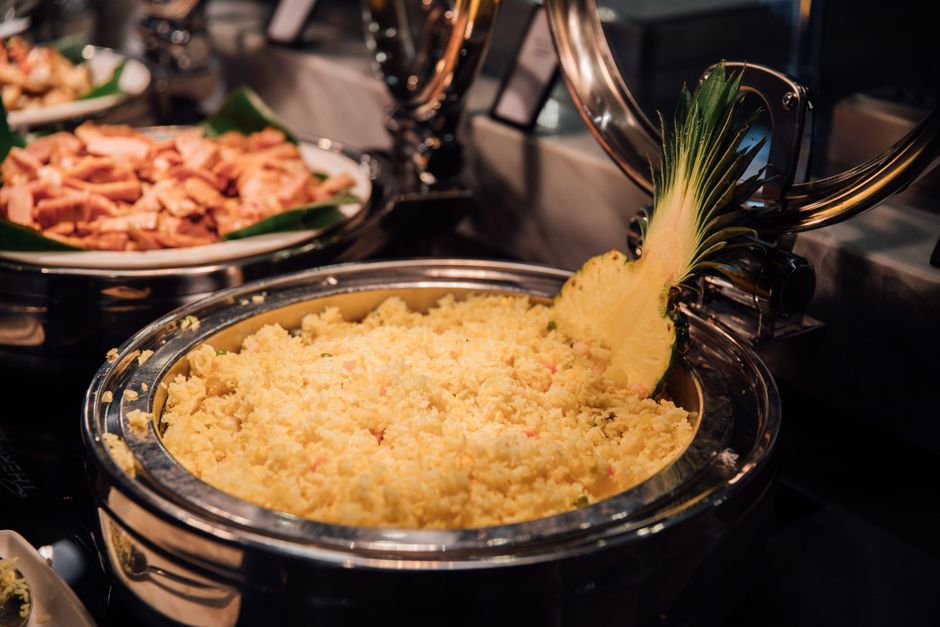
Pineapple Fried Rice with Ham: A Flavorful and Versatile Southeast Asian Delight
Pineapple fried rice with ham is a beloved and incredibly versatile dish originating from Southeast Asia, particularly popular in Thailand and Malaysia. Its vibrant colors, sweet and savory flavor profile, and satisfying texture make it a crowd-pleaser for both home cooks and restaurant patrons. The magic of this dish lies in its harmonious blend of contrasting elements: the juicy sweetness of pineapple, the salty umami of ham, the fragrant aromatics, and the fluffy texture of perfectly cooked rice. This article will delve deep into the nuances of creating exceptional pineapple fried rice with ham, covering ingredient selection, preparation techniques, variations, serving suggestions, and the underlying culinary principles that contribute to its enduring appeal.
The foundation of any great fried rice is, of course, the rice itself. For pineapple fried rice with ham, day-old, cooked jasmine rice is the undisputed champion. Freshly cooked rice contains too much moisture, leading to a gummy and clumpy final product. Overnight refrigeration allows the individual grains to firm up, creating a drier texture that crisps up beautifully when stir-fried. The ideal ratio of rice to other ingredients is crucial for balance. Too much rice will overpower the pineapple and ham, while too little will make the dish feel incomplete. Aim for roughly equal parts rice to a combination of pineapple and ham, adjusting based on personal preference for sweetness and saltiness. When selecting jasmine rice, look for brands known for their fragrant aroma and distinct floral notes, as these qualities will subtly infuse the entire dish. The starch content in jasmine rice is also ideal for fried rice, providing that slightly chewy yet fluffy consistency.
The star of the show, alongside the rice, is the pineapple. Fresh pineapple is strongly recommended over canned varieties, though in a pinch, well-drained canned chunks can be used. Fresh pineapple offers a superior sweetness, juiciness, and a more pronounced tropical aroma. The key is to dice the pineapple into small, bite-sized pieces that are roughly the same size as the ham. This ensures an even distribution of sweetness throughout the rice. Avoid overripe pineapple, as its excessive moisture can make the fried rice soggy. Conversely, underripe pineapple might be too tart. A ripe pineapple will yield to gentle pressure and have a pleasant, fragrant smell at its base. When cutting fresh pineapple, remove the tough outer skin and the fibrous core before dicing.
Ham provides the savory, salty counterpoint to the sweetness of the pineapple. While various types of ham can be used, a good quality baked ham or fully cooked ham with a pleasant chew is preferred. Avoid overly processed or watery hams, as they can release too much liquid during cooking, compromising the texture of the fried rice. Dicing the ham into small, uniform pieces ensures it heats through evenly and integrates well with the other ingredients. The size of the ham dice should ideally match the pineapple dice for aesthetic appeal and consistent flavor distribution. Some recipes might call for a specific type of ham, like char siu (Chinese barbecued pork), which adds another layer of complexity and sweetness, but for a classic pineapple fried rice with ham, a good quality baked ham is perfectly sufficient.
The aromatic base of pineapple fried rice with ham is as important as its main components. Garlic and onions are fundamental. Finely minced garlic provides a pungent kick that awakens the palate, while diced onions add a subtle sweetness and savory depth. Shallots can be used as an alternative to onions for a more delicate and slightly sweeter flavor. A generous amount of both garlic and onions is recommended to build a robust flavor profile. Ginger can also be incorporated for an extra layer of warmth and fragrance. Freshly grated ginger adds a zesty, spicy note that complements the sweet and savory elements beautifully. The key is to sauté these aromatics until they are fragrant and slightly softened but not browned, as burnt aromatics can impart a bitter taste.
The binding agent and flavor enhancer for pineapple fried rice is typically eggs. Lightly beaten eggs are usually stirred into the hot wok with the rice and other ingredients, creating delicate strands of cooked egg that weave throughout the dish. The eggs contribute richness and a creamy texture. Some recipes might involve scrambling the eggs separately and then adding them back to the wok, which can create larger, more distinct pieces of egg. However, for a more integrated fried rice, stirring them directly into the wok as it cooks is often preferred. Ensure the eggs are cooked through but not overcooked to avoid toughness. A touch of sesame oil drizzled in at the end adds a nutty aroma and a subtle, delightful flavor that is characteristic of many Asian stir-fries.
The sauce for pineapple fried rice with ham is typically a simple yet effective blend of savory and slightly sweet elements. Soy sauce is the backbone, providing saltiness and umami. Fish sauce is a crucial addition for many Southeast Asian dishes, lending a more complex and deeper savory flavor that soy sauce alone cannot achieve. A small amount of sugar, often palm sugar or brown sugar, is used to enhance the sweetness of the pineapple and balance the saltiness of the soy sauce and fish sauce. Oyster sauce can also be incorporated for an extra layer of richness and savory depth. The key is to achieve a balanced sauce that doesn’t make the fried rice overly wet. Some recipes might include a touch of rice vinegar or lime juice for acidity, which brightens the flavors and cuts through the richness. When preparing the sauce, it’s best to mix all the liquid ingredients together in a small bowl before adding them to the wok to ensure even distribution and proper flavor melding.
The cooking process itself is where the magic happens. A wok, with its high heat and curved surface, is the ideal vessel for stir-frying. Heat a wok over high heat until it is smoking. Add a neutral cooking oil with a high smoke point, such as vegetable oil, peanut oil, or canola oil. The high heat is essential for achieving the signature smoky flavor known as "wok hei," or the breath of the wok. First, stir-fry the aromatics (garlic, onions, ginger) until fragrant. Then, add the ham and cook until lightly browned. Next, add the diced pineapple and stir-fry briefly, just enough to warm it through and release some of its juices. Introduce the day-old rice to the wok, breaking up any clumps with your spatula. Stir-fry the rice vigorously, ensuring it is well-mixed with the other ingredients and heated through. At this stage, pour in the prepared sauce mixture and continue to stir-fry, allowing the sauce to coat the rice and evaporate, creating a slightly sticky and flavorful coating. Finally, push the rice to one side of the wok and pour in the beaten eggs. Scramble the eggs until they are just cooked, then mix them into the rice. Continue to stir-fry for another minute or two until everything is well combined and heated through. The entire stir-frying process should be relatively quick, typically under 10 minutes, to maintain the crispness of the ingredients and prevent the rice from becoming mushy.
Variations on this classic dish abound, allowing for personalization and dietary adjustments. For a spicier kick, add sliced chilies or red pepper flakes along with the aromatics. For a more protein-rich version, shrimp or chicken can be added alongside or instead of the ham. Cashews or peanuts can be added for a delightful crunch. Green peas, carrots, or bell peppers can be incorporated for added color, texture, and nutrients. For a vegetarian or vegan option, omit the ham and fish sauce. Replace the ham with firm tofu or tempeh, and use a vegetarian mushroom-based soy sauce or tamari. Ensure the fish sauce is omitted or substituted with a vegan alternative. The sweetness of the pineapple naturally pairs well with these vegetarian proteins. Some regional variations might include curry powder or turmeric, adding a distinct golden hue and a warm, earthy flavor. The beauty of pineapple fried rice with ham lies in its adaptability.
Serving pineapple fried rice with ham is best done immediately after cooking to enjoy its optimal texture and flavor. It can be served as a standalone meal or as a side dish. Garnish is key to enhancing the visual appeal and adding a final flourish of flavor. Fresh cilantro leaves, chopped scallions, and toasted sesame seeds are common and effective garnishes. A wedge of lime or lemon served on the side allows diners to add a burst of acidity if desired, further brightening the flavors. The vibrant colors of the dish – the golden rice, the pink ham, the yellow pineapple, and the green garnishes – make it a feast for the eyes. For a truly authentic experience, serving it in a hollowed-out pineapple half adds a dramatic and tropical presentation.
The culinary principles at play in pineapple fried rice with ham are universal to many stir-fried dishes. High heat cooking is paramount for developing "wok hei" and achieving a desirable texture. Proper ingredient preparation, including uniform dicing and using day-old rice, ensures even cooking and prevents sogginess. The balance of flavors – sweet, salty, savory, and sometimes acidic – is critical for creating a well-rounded and satisfying dish. The interplay of textures, from the fluffy rice and tender ham to the juicy pineapple and crunchy garnishes, adds complexity and interest to each bite. Understanding these principles empowers cooks to not only replicate this dish but to adapt and create their own variations.
In conclusion, pineapple fried rice with ham is more than just a dish; it’s a testament to the power of simple ingredients combined with thoughtful preparation and a mastery of culinary techniques. Its enduring popularity stems from its irresistible flavor profile, its visual appeal, and its inherent versatility. By understanding the nuances of ingredient selection, the importance of proper cooking techniques, and the art of flavor balancing, anyone can create a truly exceptional pineapple fried rice with ham that will impress family and friends alike. This dish offers a delightful journey through the vibrant and complex flavors of Southeast Asian cuisine, proving that sometimes, the most memorable meals are born from the most harmonious combinations of sweet, savory, and aromatic elements.
