The Enduring Debate: Assessing the Safety and Environmental Impact of True Wireless Stereo (TWS) Earbuds Versus Traditional Wired Earphones

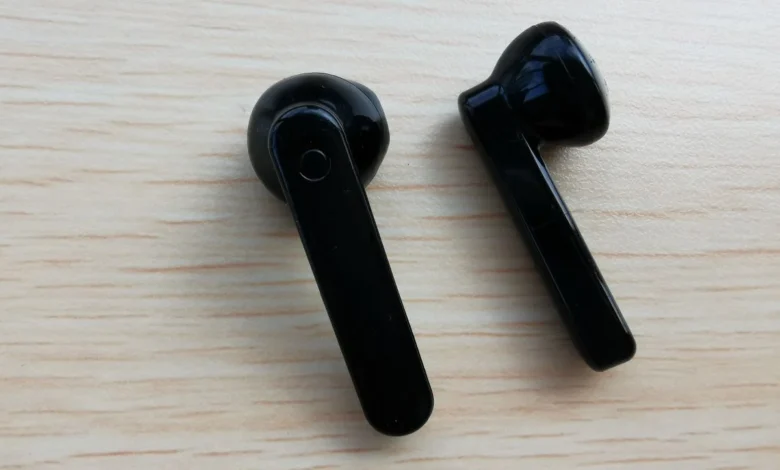
The pervasive presence of personal audio devices in modern life has ignited a continuous debate regarding the relative safety and environmental implications of True Wireless Stereo (TWS) earbuds compared to traditional wired earphones. As wireless audio technology rapidly advances and gains unprecedented popularity, driven by convenience and the progressive removal of headphone jacks from smartphones, consumers are increasingly confronted with choices that extend beyond mere aesthetic preference or sound quality, delving into critical considerations for personal health and planetary sustainability. While TWS devices boast unparalleled portability and freedom from tangled cords, their wired counterparts continue to hold a significant market share, championed by proponents for their perceived stability, superior audio fidelity, and minimal environmental footprint. This discussion, far from being purely academic, impacts millions of users daily and raises important questions for public health authorities, environmental organizations, and technology manufacturers alike.
The Evolution of Personal Audio: From Analog to Untethered
The journey of personal audio devices has been a fascinating technological progression, beginning with bulky headphones paired with cassette players like Sony’s Walkman in the late 1970s, evolving through portable CD players and MP3 devices, culminating in the smartphone era. For decades, wired connections were the sole medium for delivering personal audio, offering a direct, uncompressed signal path. The advent of Bluetooth technology in the late 1990s laid the groundwork for wireless audio, but it wasn’t until the mid-2010s, notably with the introduction of Apple AirPods in 2016, that True Wireless Stereo (TWS) earbuds truly revolutionized the market. These devices, completely free of wires connecting them to the source device or to each other, offered an unprecedented level of freedom, quickly becoming a ubiquitous accessory. This rapid adoption, however, brought with it a renewed scrutiny of their long-term impacts, particularly when compared to the established, simpler technology of wired earphones.
Defining Safety: Beyond Immediate Convenience
At the core of the TWS versus wired earphone debate lies the multifaceted concept of "safety." This encompasses not just the immediate user experience but also potential long-term health effects on hearing, the environmental burden associated with production and disposal, and even the physical security of the devices themselves. For many, safety is intuitively linked to the absence of physical hazards like tangled cords, making TWS appear inherently safer. However, a deeper analysis reveals a more complex picture, where the perceived risks and benefits are often nuanced and sometimes counter-intuitive.
Hearing Health: The Dominant Factor is Usage, Not Device Type
The primary concern regarding personal audio devices, irrespective of their connection type, remains the potential for noise-induced hearing loss (NIHL). The World Health Organization (WHO) consistently emphasizes that the most significant factors influencing hearing damage are the volume level and the duration of exposure, rather than the specific type of listening device. Prolonged exposure to sounds exceeding 85 decibels (dB) can lead to irreversible hearing damage. For context, normal conversation typically occurs at around 60 dB, while a busy street can reach 70-80 dB. Many personal audio devices are capable of producing sound levels well above 100 dB, which can cause damage in a matter of minutes.
The WHO recommends the "60/60 rule": listening at no more than 60 percent of the maximum volume for no longer than 60 minutes at a time, followed by a break. This guideline applies universally to all personal audio devices. However, TWS earbuds, particularly those with an in-ear design that creates a tight seal, are often perceived to carry a higher risk. This perception stems from several factors. Their compact size and snug fit can lead users to believe they are listening at a lower volume than they actually are. Moreover, in noisy environments, users of TWS earbuds, especially those without effective active noise cancellation (ANC), might instinctively increase the volume to overcome ambient noise, inadvertently exceeding safe listening levels.
Conversely, many modern TWS earbuds are equipped with advanced noise reduction or active noise cancellation (ANC) technology. These features can significantly mitigate the need to increase volume in loud surroundings, potentially making them safer in such specific scenarios by allowing users to hear content clearly at lower, safer volumes. However, the presence of ANC does not negate the fundamental risk of high volume; if a user still chooses to crank up the volume excessively, the risk of NIHL remains acute.
Wired earphones, on the other hand, often benefit from a perceived "natural" sound quality and lower latency, which some users report reduces the inclination to increase volume. Their sound delivery, often via a direct analog signal, can sometimes be perceived as clearer or more robust at lower volumes. Nevertheless, they are by no means immune to the risks of NIHL. Using wired earphones at high volumes for extended periods carries the identical risk of hearing damage. Ultimately, an individual’s listening habits, including awareness of volume levels and taking regular listening breaks, are paramount to protecting hearing health, irrespective of whether they choose TWS or wired earphones.
Beyond Noise: Radiation and Ear Hygiene
While NIHL is the primary health concern, other factors contribute to the overall safety debate. The question of electromagnetic field (EMF) radiation is frequently raised in discussions about TWS devices. Bluetooth technology, which TWS earbuds rely upon, uses non-ionizing radiation – a type of low-frequency radiation similar to Wi-Fi signals and cell phones. Unlike ionizing radiation (e.g., X-rays), non-ionizing radiation does not have enough energy to directly damage DNA. The scientific consensus from organizations like the WHO and the American Cancer Society is that current research has not established a definitive link between Bluetooth devices and adverse health effects, including cancer, in humans. However, some advocacy groups continue to call for more long-term research, given the novelty and widespread adoption of these devices. For wired earphones, this concern is largely absent as they do not emit radiofrequency radiation.
A more tangible health concern, particularly for TWS users, is ear hygiene and the potential for infections. TWS earbuds, especially those designed to sit snugly within the ear canal, can create an occlusive environment. Prolonged use can trap moisture and heat, leading to an ideal breeding ground for bacteria and fungi. This can increase the risk of external ear infections (otitis externa, also known as "swimmer’s ear"), fungal infections, or irritation of the ear canal skin. Studies have shown that earbud surfaces, if not regularly cleaned, can harbor significant colonies of bacteria, including Staphylococcus aureus. Wired earphones, while also requiring cleaning, generally allow for better air circulation around the ear canal, potentially reducing the build-up of moisture and heat. Medical professionals often advise TWS users to clean their earbuds regularly with alcohol wipes, avoid sharing them, and take breaks to allow the ears to air out.
Environmental Impact: A Tale of Two Technologies
Perhaps the most stark contrast between TWS and wired earphones lies in their environmental footprint. The production, use, and disposal of electronic devices contribute significantly to the global e-waste crisis, and TWS earbuds, due to their reliance on complex internal components and batteries, present a considerably larger environmental challenge.
The Lithium-Ion Battery Burden: TWS earbuds are powered by tiny lithium-ion batteries, which are energy-dense but come with substantial environmental costs. The production of these batteries requires the mining of various rare earth minerals and metals, including lithium, cobalt, nickel, and manganese.
- Resource Depletion and Mining Impacts: The extraction of these minerals is often environmentally destructive. Cobalt mining, for instance, frequently occurs in regions like the Democratic Republic of Congo (DRC), where it is associated with deforestation, soil erosion, water contamination, and significant human rights abuses, including child labor. Lithium extraction, particularly from brine reservoirs in arid regions like Chile and Argentina, consumes vast amounts of water and can contaminate local ecosystems. A single ton of lithium extracted can generate up to 15 tons of CO2 emissions.
- Manufacturing Carbon Footprint: The manufacturing process for lithium-ion batteries is energy-intensive, contributing to global greenhouse gas emissions. The complex supply chains involved, from raw material extraction to final assembly, further amplify the carbon footprint.
- Disposal Challenges and E-waste: The lifespan of TWS earbuds is largely dictated by their non-replaceable batteries, which degrade over time. Once the battery capacity diminishes significantly, the entire device often becomes obsolete. Due to their small size and complex, integrated components, TWS earbuds are notoriously difficult to repair and recycle. This leads to a massive volume of e-waste. Globally, e-waste is the fastest-growing waste stream, with an estimated 53.6 million metric tons generated in 2019, a figure projected to reach 74 million metric tons by 2030. Batteries, if improperly disposed of, can leach toxic chemicals into landfills, contaminating soil and groundwater. The Global Warming Potential (GWP) and Abiotic Depletion Potential (ADP Elements) associated with TWS production are significantly higher than for wired earphones, primarily due to battery components.
The Simplicity of Wired Earphones: In contrast, wired earphones operate without internal batteries. Their construction is simpler, primarily involving plastic, metal (for drivers and connectors), and copper wire.
- Reduced Resource Exploitation: The absence of lithium-ion batteries means no demand for the associated rare earth minerals, thus mitigating the environmental impact of mining and battery production.
- Longer Lifespan and Repairability: Wired earphones, if properly cared for, tend to have a longer functional lifespan. Their most common point of failure is often the cable, which can sometimes be replaced or repaired, extending the device’s utility. This repairability significantly reduces their contribution to e-waste compared to TWS earbuds, which are often considered disposable once their battery life declines.
- Lower E-waste Contribution: While wired earphones also contribute to e-waste when they eventually fail, their simpler material composition and lack of toxic battery components make their disposal less environmentally problematic. Furthermore, the volume of materials per unit is generally lower.
Performance and Practicality: Balancing Act for Consumers
Beyond health and environmental concerns, practical performance aspects also play a role in consumer choice.
- Sound Quality and Latency: Wired earphones generally offer superior audio fidelity, particularly for audiophiles, due to their direct analog connection which avoids compression and latency issues inherent in Bluetooth transmission. While Bluetooth codecs like aptX HD and LDAC have significantly improved wireless audio quality, they still don’t fully match the uncompressed signal of a wired connection. Latency (the delay between audio source and playback) is also negligible in wired connections, making them preferred for gaming and professional audio monitoring where even milliseconds of delay can be disruptive. TWS latency, while improving, can still be noticeable in certain applications.
- Reliability and Connectivity: Wired earphones offer a consistently stable connection, free from signal dropouts, pairing issues, or battery depletion. TWS earbuds, relying on Bluetooth, can occasionally experience connectivity problems, especially in crowded wireless environments, and their functionality is entirely dependent on battery charge.
- Convenience: The paramount advantage of TWS is convenience – freedom of movement, no tangled wires, and compact carrying cases. This convenience has been a primary driver of their market dominance. Wired earphones, despite their reliability, can be cumbersome with their cables, particularly during physical activity.
Industry Responses and Future Outlook
Recognizing the growing concerns, some manufacturers are beginning to explore more sustainable practices. This includes using recycled plastics in TWS earbud casings, improving battery efficiency, and investing in better recycling infrastructure. However, the fundamental design challenges of miniaturization and non-replaceable batteries remain significant hurdles. Initiatives like the European Union’s push for a common charging port (USB-C) and right-to-repair legislation aim to extend product lifespans and reduce e-waste across all electronic devices, which could indirectly benefit TWS earbuds if designs become more modular.
Public health organizations continue to advocate for greater awareness of safe listening practices. Audiologists frequently report an increase in NIHL cases among younger demographics, underscoring the urgency of educating consumers about the risks of high-volume listening. Environmental advocates, meanwhile, stress the importance of consumer choice in driving demand for more sustainable products and holding manufacturers accountable for the entire lifecycle of their devices.
Conclusion: A Holistic View of Safety
The debate between TWS earbuds and wired earphones is not simply about technological superiority or aesthetic preference; it is a complex discussion encompassing user health, environmental responsibility, and practical functionality. While the World Health Organization correctly identifies volume and duration as the primary determinants of hearing safety for both types of devices, a deeper examination reveals that wired earphones offer distinct advantages in other critical areas.
From an environmental perspective, wired earphones are unequivocally safer. Their freedom from lithium-ion batteries dramatically reduces their carbon footprint, mitigates the demand for environmentally destructive mining practices, and contributes significantly less to the global e-waste crisis. Their simpler design also often translates to a longer lifespan and greater repairability, further lessening their ecological impact.
From a health standpoint, beyond the shared risk of NIHL through improper use, wired earphones also present a lower risk of ear canal infections and irritations due to better air circulation. While concerns about Bluetooth radiation remain largely unsubstantiated by current scientific evidence, the complete absence of such emissions in wired devices offers an additional layer of reassurance for some users.
Ultimately, while the unparalleled convenience and advanced features of TWS earbuds have cemented their place in the modern audio landscape, a holistic assessment reveals that traditional wired earphones retain significant advantages in terms of environmental sustainability and specific aspects of long-term health safety. Consumers are thus faced with a choice that balances personal convenience with broader ethical considerations, reinforcing the notion that "safety" in the context of personal audio is a multifaceted concept demanding thoughtful consideration beyond the immediate user experience.
Related posts: