
Italian Breaded Pork Chops
Italian Breaded Pork Chops: A Culinary Masterclass in Flavor and Texture
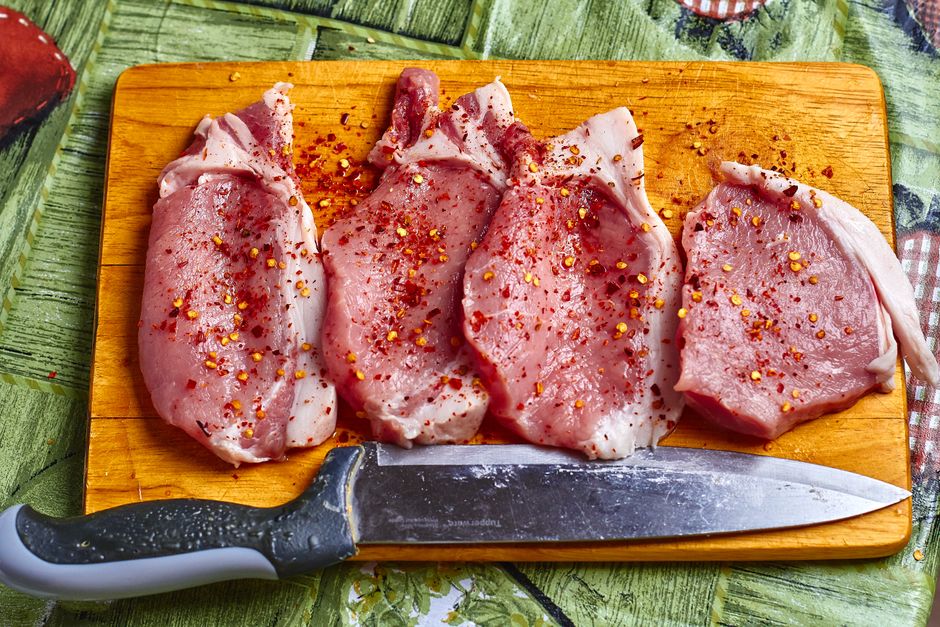
Italian breaded pork chops, or Cotolette alla Milanese, represent a cornerstone of Italian comfort food, celebrated for their satisfying crunch, tender interior, and inherent simplicity. This dish, far from being a mere fried cutlet, is an art form, requiring attention to detail at each stage to achieve optimal results. The foundation of a superior cotoletta lies in the quality of the pork itself. Opt for bone-in, center-cut pork chops, ideally about 1 to 1.5 inches thick. The bone adds flavor and helps the meat cook more evenly, preventing it from drying out. Loin chops or rib chops are excellent choices. While boneless pork chops can be used, they often lack the moisture and depth of flavor that the bone imparts. The thickness is crucial for creating a desirable contrast between the crispy exterior and the succulent meat. Thin chops tend to overcook quickly, resulting in a dry and less enjoyable experience. Trimming excess fat from the edges is advisable, but leave a thin layer of fat attached to the chop; this will render during cooking, basting the meat and contributing to its juiciness. The preparation of the pork prior to breading is equally important. Gently pound the pork chops to an even thickness, approximately ½ inch. This ensures uniform cooking and a more pleasing texture. A meat mallet or the flat side of a heavy pan can be used. Be mindful not to pound them too thin, as this defeats the purpose of a thick, juicy chop. Seasoning the pork directly with salt and freshly ground black pepper before breading is essential. The salt penetrates the meat, enhancing its natural flavor, and the pepper adds a subtle warmth. This initial seasoning will be the primary flavor profile for the pork itself, so don’t be shy.
The breading process is where the magic truly happens, transforming a simple pork chop into a culinary masterpiece. The traditional Italian method employs a three-step dredging system. First, a light coating of all-purpose flour. This layer acts as a binder, allowing the subsequent egg wash to adhere effectively and creating a surface for the breadcrumbs to cling to. The flour should be seasoned with a pinch of salt and pepper. Ensure each pork chop is evenly coated, shaking off any excess flour. Next, the pork chops are dipped into a beaten egg mixture. This is typically one or two eggs, whisked vigorously with a tablespoon or two of milk or water. The milk or water helps to create a thinner, more even coating, preventing the egg from becoming too thick or clumpy. Some recipes incorporate a dash of salt and pepper into the egg wash for additional flavor. The egg wash is the adhesive that holds the breadcrumbs in place. Ensure the entire surface of the pork chop is thoroughly coated, allowing any excess to drip back into the bowl. The final, and arguably most critical, stage is the breadcrumb coating. Traditionally, Italian breadcrumbs (pangrattato) are used. These are made from dried, stale Italian bread, pulsed in a food processor until they resemble coarse crumbs. If commercially available Italian breadcrumbs are used, opt for unseasoned varieties to control the salt content. For an extra layer of flavor and authenticity, consider adding finely grated Parmesan cheese (Parmigiano-Reggiano is ideal) to the breadcrumbs. A ratio of ¾ cup breadcrumbs to ¼ cup grated Parmesan is a good starting point, but this can be adjusted to personal preference. Some cooks also add a pinch of garlic powder or dried herbs like parsley or oregano to the breadcrumb mixture for added complexity. The breadcrumbs should be applied generously, pressing them firmly onto the egg-coated pork chops to ensure a thick, even crust that will become wonderfully crisp during frying. Avoid double-dipping in the egg and breadcrumbs, as this can lead to a doughy, rather than crispy, coating.
The cooking method is paramount for achieving the signature crispiness and perfect doneness of Italian breaded pork chops. Pan-frying is the most traditional and effective technique. A generous amount of fat is required for proper frying, ensuring the pork chops are partially submerged in the hot oil. A blend of neutral oils such as vegetable oil, canola oil, or a mixture of olive oil and vegetable oil is recommended. The key is to use an oil with a high smoke point. Cast iron skillets are excellent for pan-frying due to their superior heat retention and distribution, leading to an even sear and consistent browning. Heat the oil in the skillet over medium-high heat until it shimmers. A good test for readiness is to drop a small piece of breadcrumb into the oil; if it sizzles immediately and turns golden brown within seconds, the oil is hot enough. Do not overcrowd the pan. Frying the pork chops in batches is essential to maintain the oil temperature and prevent them from steaming rather than frying. Overcrowding will lead to a greasy, soggy crust. Carefully place the breaded pork chops into the hot oil, ensuring there’s enough space between each one. Cook for approximately 4-6 minutes per side, depending on the thickness of the chops. The goal is to achieve a deep golden-brown crust. Avoid the temptation to move the pork chops around excessively during the initial cooking; allow them to develop a crust before flipping. Use tongs to gently flip the chops and cook the other side until equally golden brown and the internal temperature reaches 145°F (63°C) for medium-rare to medium, or slightly higher for more well-done preferences. It’s crucial to use a meat thermometer to ensure accuracy and prevent overcooking. Once cooked, remove the pork chops from the skillet and place them on a wire rack set over a baking sheet. This allows excess oil to drain off, maintaining the crispiness of the breading. Placing them directly on paper towels can make the bottom soggy.
While pan-frying is the classic approach, other methods can be employed to achieve delicious Italian breaded pork chops, each offering slight variations in texture and ease of preparation. Baking offers a healthier alternative to pan-frying, producing a golden-brown crust with less oil. Preheat your oven to 400°F (200°C). Arrange the breaded pork chops on a lightly oiled baking sheet or a baking rack set inside a baking sheet. You can lightly spray the tops of the chops with cooking spray for added crispiness. Bake for 20-25 minutes, flipping halfway through, until the internal temperature reaches 145°F (63°C) and the breading is golden brown. While this method yields a good result, it may not achieve the same level of crispiness as pan-frying. Air frying is another increasingly popular and efficient method for achieving crispy results with minimal oil. Preheat your air fryer to 375°F (190°C). Lightly spray the basket with cooking spray and arrange the breaded pork chops in a single layer, ensuring they don’t touch. Air fry for 12-15 minutes, flipping halfway through, until golden brown and cooked through. The air fryer circulates hot air, creating a remarkably crisp exterior. For larger batches, an oven might be more practical. Grilling can also be utilized, though it requires careful attention to prevent the breading from burning before the pork is cooked through. It’s often recommended to pre-cook the chops slightly via pan-frying or baking before finishing them on the grill for a smoky flavor. This method is best suited for those seeking a nuanced char and is generally less common for achieving the iconic cotoletta texture.
The accompaniments for Italian breaded pork chops are as integral to the dining experience as the dish itself. The simplicity of the pork chop allows for a wide range of complementary flavors and textures. A classic pairing is a fresh, vibrant salad. A simple arugula salad with lemon vinaigrette, shaved Parmesan, and cherry tomatoes provides a refreshing counterpoint to the richness of the pork. The peppery bite of arugula cuts through the fattiness, while the acidity of the lemon brightens the palate. Another excellent choice is a Caprese salad, featuring ripe tomatoes, fresh mozzarella, basil, and a drizzle of balsamic glaze. The creamy mozzarella and sweet tomatoes complement the savory pork beautifully. For a more substantial side, consider roasted or sautéed vegetables. Asparagus spears, drizzled with olive oil and a squeeze of lemon, or tender green beans with garlic and slivered almonds are excellent options. Roasted root vegetables like potatoes, carrots, and parsnips, seasoned with herbs, also pair well. Pasta dishes are also a natural fit. A light, garlicky marinara sauce or a simple pesto tossed with spaghetti or linguine can be served alongside. Avoid overly heavy or rich pasta sauces, as they can compete with the flavor of the pork. Potatoes, in various forms, are a perennial favorite. Crispy roasted potato wedges, creamy mashed potatoes, or even simple boiled new potatoes with parsley and butter offer comforting and satisfying accompaniments. The key is to select sides that enhance, rather than overpower, the star of the meal. Lemon wedges are an essential garnish, providing a burst of acidity that cuts through the richness and awakens the flavors. Freshly chopped parsley adds a pop of color and a hint of freshness. A sprinkle of flaky sea salt at the end of cooking can elevate the overall taste experience.
The pursuit of the perfect Italian breaded pork chop often involves a deeper understanding of the nuances of each ingredient and technique. The selection of pork is paramount. Higher quality pork, from heritage breeds or free-range animals, often boasts a richer flavor and more desirable fat marbling, contributing to a more succulent final product. The aging process of the pork can also play a role; properly aged pork can develop a more tender texture and a more concentrated flavor. When it comes to breadcrumbs, the texture is key. Very fine breadcrumbs can result in a paste-like coating, while overly coarse crumbs may not adhere as well. A medium-fine crumb size is generally ideal for achieving a balance of crispness and adhesion. The use of panko breadcrumbs, while not traditional Italian, can offer an exceptionally light and crispy texture due to their airy, flaky structure. However, they absorb oil differently, so cooking times may need adjustment. The type of fat used for frying is also a consideration. While neutral oils are common, some chefs advocate for the use of lard or clarified butter for added richness and a unique flavor profile. Clarified butter, with its higher smoke point than regular butter, can be a good compromise for those seeking a richer taste without excessive burning. The temperature of the frying oil is a critical control point. Too low, and the chops will absorb excess oil and become greasy. Too high, and the breading will burn before the interior is cooked through. Utilizing a thermometer is the most reliable way to maintain optimal frying temperature. For those concerned about the health aspects of frying, as mentioned, baking and air frying offer viable alternatives, though they yield a different texture. The concept of resting the cooked pork chops is a universally acknowledged practice that significantly impacts the final texture. Allowing the meat to rest for a few minutes after cooking allows the juices to redistribute throughout the chop, resulting in a more tender and moist bite. Skipping this step can lead to juices running out when cut, resulting in a drier chop.
The versatility of Italian breaded pork chops extends beyond simple pan-frying. They can serve as the base for other classic Italian dishes. For instance, a finished cotoletta can be topped with a rich tomato sauce, melted mozzarella cheese, and a sprinkle of herbs to create a Parmigiana-style dish. This adaptation offers a delightful variation, combining the crispy exterior with the comforting elements of a classic baked dish. Another ingenious application is their use in sandwiches. Leftover cotolette, when cooled and thinly sliced, can be layered into crusty rolls with a spread of pesto, roasted peppers, or a simple tomato and basil salad. This transforms them into a portable and satisfying meal. The fundamental principles of creating a superior breaded pork chop – quality ingredients, meticulous breading, and precise cooking – are transferable to numerous culinary endeavors. The lingering aroma of garlic and Parmesan from a well-executed batch of cotolette is a testament to the power of simple, high-quality ingredients prepared with care. Ultimately, the Italian breaded pork chop is more than just a recipe; it’s an invitation to engage with a culinary tradition that values flavor, texture, and the joy of simple, honest food. Mastering this dish provides a foundational understanding of Italian cooking techniques that can be applied to a wide array of other preparations. The satisfaction derived from biting into a perfectly crisp, tender, and flavorful Italian breaded pork chop is a culinary reward that justifies the attention to detail required in its creation. It’s a dish that speaks to the heart of Italian cuisine: fresh ingredients, time-honored techniques, and the creation of deeply satisfying, memorable meals.
