
Air Fryer Roasted Chestnuts
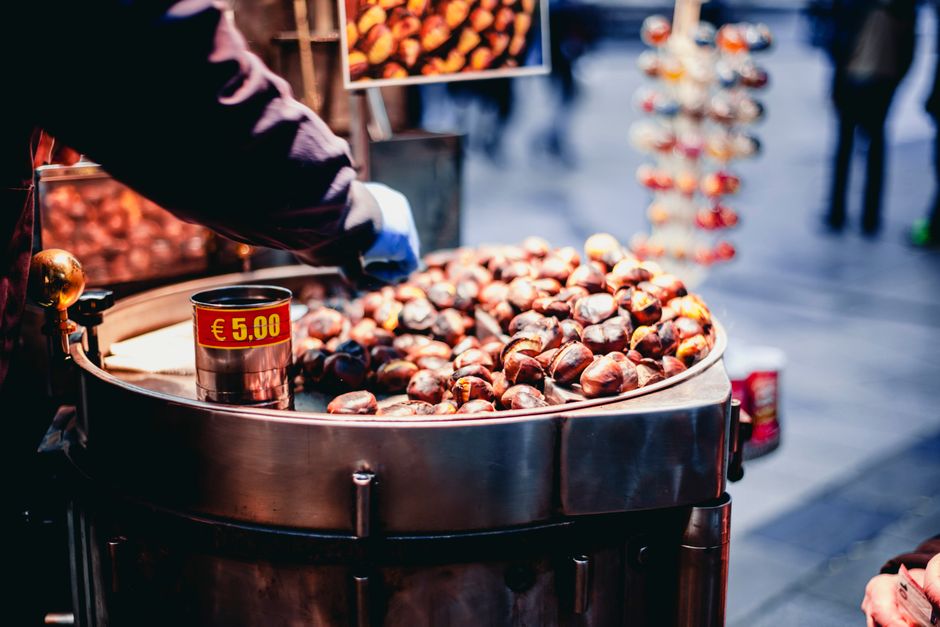
Air Fryer Roasted Chestnuts: The Ultimate Guide to Crispy, Smoky Perfection
Air fryer roasted chestnuts offer a quick, convenient, and exceptionally delicious way to enjoy this seasonal delight. Moving beyond the traditional stovetop or oven methods, the air fryer’s circulating hot air technology creates a superior texture: a perfectly crispy exterior yielding to a tender, smoky, and incredibly flavorful interior. This method minimizes cooking time, reduces the mess associated with oven roasting, and consistently delivers stellar results, making it the go-to for amateur chefs and seasoned gourmands alike. Understanding the intricacies of air frying chestnuts—from selection and preparation to optimal temperature and time—is key to unlocking their full potential. This comprehensive guide will delve into every aspect, ensuring you achieve chestnut perfection with every batch, transforming a humble nut into a culinary revelation perfect for snacking, garnishes, or festive gatherings.
The foundational step to achieving superior air fryer roasted chestnuts lies in the selection of the right nuts. Not all chestnuts are created equal, and choosing fresh, high-quality specimens is paramount for optimal flavor and texture. Look for chestnuts that are firm to the touch, heavy for their size, and possess a smooth, shiny shell. Avoid nuts that feel hollow, are soft, or show signs of mold or insect damage, which can compromise both taste and safety. The ideal chestnuts will feel plump and dense, indicating a good moisture content within. The shell should be relatively free of major cracks or blemishes, though minor imperfections are natural. It’s also important to be aware of the different varieties of chestnuts. European chestnuts (Castanea sativa) are generally larger and sweeter, making them excellent for roasting. American chestnuts (Castanea dentata) are less common due to blight but can also be roasted if available. Chinese chestnuts (Castanea mollissima) are typically smaller, often with a flatter side, and can be slightly more bitter but still yield delicious roasted results. Regardless of the variety, freshness is the most critical factor. Chestnuts are best roasted soon after harvesting, as their moisture content and sweetness diminish with time. If you can’t roast them immediately, storing them properly in a cool, dry place or the refrigerator can extend their shelf life, but they will always be at their peak when roasted fresh.
Preparation is a critical stage that directly influences the success of your air fryer roasted chestnuts. The defining characteristic of preparing chestnuts for roasting, regardless of the method, is the scoring of the shell. This seemingly simple step is crucial for several reasons. Without a score, the moisture inside the chestnut will turn to steam during the cooking process. This trapped steam builds pressure, which can cause the chestnuts to explode, creating a mess and a potential safety hazard. The score also allows steam to escape, ensuring that the chestnut cooks evenly and preventing the shell from becoming overly tough or difficult to peel. The score should penetrate through the tough outer shell but not deep enough to damage the inner nut. A common and effective method is to make a single, deep slit across the flat side of the chestnut, resembling a smile or a crescent moon. Alternatively, an "X" pattern can be used, with two intersecting slits. The depth of the score is key; it needs to be significant enough to allow steam to escape, but not so deep that it cuts into the edible portion of the nut. For consistency, use a sharp, sturdy knife, such as a paring knife or a utility knife, and exercise caution. Holding the chestnut firmly in your non-scoring hand is essential for safety. Some enthusiasts recommend soaking the chestnuts briefly in water after scoring, arguing it helps to steam the inside more effectively and makes peeling easier. While this step is debatable and not strictly necessary, a short soak of 10-15 minutes might be beneficial for some. However, excessive soaking can lead to a waterlogged chestnut, which may not achieve the desired crispness in the air fryer. Ensure the chestnuts are thoroughly dried after any soaking before proceeding to the air fryer.
The air fryer is the star of this cooking method, and understanding its capabilities is vital for perfectly roasted chestnuts. Air fryers work by circulating hot air at high speeds around the food, mimicking the effect of deep-frying but with significantly less oil. This rapid, dry heat is ideal for roasting chestnuts, creating a crispy shell and a tender, smoky interior. For air fryer roasted chestnuts, the optimal temperature range generally falls between 375°F (190°C) and 400°F (200°C). A slightly lower temperature, such as 375°F, might be preferred for those who want a slightly more tender interior with a moderately crisp shell, while 400°F will encourage a more pronounced crispiness on the shell. The exact temperature may also depend on the specific make and model of your air fryer, as they can vary in their heat distribution and intensity. It’s often recommended to preheat your air fryer for a few minutes before adding the chestnuts. This ensures that the cooking environment is already at the desired temperature, leading to more consistent and efficient cooking from the moment the chestnuts are placed inside. Preheating helps to achieve that initial burst of heat that contributes to the shell’s crispness and the nut’s even cooking. While some recipes might skip this step, a preheated air fryer generally yields better results for most air-fried foods, including chestnuts.
Cooking time is a variable that requires careful monitoring and adjustment based on several factors. The general consensus for air fryer roasted chestnuts is a cooking time of 10 to 15 minutes. However, this is a guideline, not a rigid rule. Several factors influence the actual time needed: the size of the chestnuts, the specific air fryer model, the initial temperature of the chestnuts, and the desired level of crispness. Smaller chestnuts will cook faster than larger ones. A powerful air fryer might cook them quicker than a less potent model. If you’re cooking chestnuts straight from the refrigerator, they might take a few minutes longer than room-temperature nuts. The desired outcome also plays a role; some individuals prefer a slightly softer roasted chestnut, while others enjoy a more robustly crisp shell. To ensure even cooking and prevent burning, it’s highly recommended to shake the air fryer basket halfway through the cooking process, around the 5-7 minute mark. This simple action redistributes the chestnuts, exposing different sides to the hot air and promoting uniform browning and crisping. It’s also advisable to check the chestnuts for doneness as the cooking time nears its end. The shell should be slightly puffed and cracked open further along the scored line, and the nut inside should feel tender when gently squeezed. Overcooking can lead to dry, hard chestnuts, so it’s better to check them a minute or two early and continue cooking if necessary.
The moment of truth: discerning when your air fryer roasted chestnuts are perfectly cooked. The visual cues are your primary indicators. The scored lines on the shells should have opened up further, revealing the nutty interior and indicating that steam has effectively escaped. The shells themselves should exhibit a golden-brown hue, with perhaps some minor charring in spots – a sign of delicious caramelization. You might also notice a slight puffiness to the shell. To confirm doneness, carefully remove a chestnut from the air fryer basket using tongs (they will be hot!). Gently squeeze it; it should feel tender and yield slightly. You can also carefully use a fork or skewer to poke at the flesh through the opened score; it should be soft. Another reliable test is to carefully pry open one of the chestnuts that appears fully cooked. The flesh inside should be opaque and tender, not raw or chalky. The aroma is also a good indicator; perfectly roasted chestnuts will emit a warm, nutty, and slightly sweet fragrance. If the shells are still tightly closed and the nuts feel hard, they likely need a few more minutes. Conversely, if the shells are excessively blackened and brittle, they have likely overcooked. Remember that chestnuts continue to cook slightly even after being removed from the air fryer, so it’s always better to err on the side of slightly undercooked and add more time if needed.
The satisfying reward for your efforts is peeling and enjoying your perfectly air-fried chestnuts. The scoring you meticulously performed should have made this process significantly easier. Immediately after removing them from the air fryer, while they are still hot, is the optimal time to attempt peeling. The heat has softened the inner membrane and made it more pliable. Carefully use a small knife or a fork to further pry open the shell along the scored line. The shell should then separate relatively easily from the tender nut inside. If you find some are more difficult to peel, you can place them in a bowl, cover it with a damp kitchen towel, and let them steam for a few minutes. This residual heat and steam will further loosen the shells. Discard the tough outer shell and the papery inner skin, which can sometimes be slightly bitter. The edible part of the chestnut is the soft, starchy nut beneath. Enjoy them warm as a delightful snack, savoring the smoky, sweet flavor and the contrast between the crispy shell and the tender interior. They are wonderful on their own, seasoned with a pinch of sea salt or a sprinkle of cinnamon.
Beyond simple snacking, air fryer roasted chestnuts are incredibly versatile and can elevate a variety of dishes. Their smoky, slightly sweet flavor makes them a fantastic addition to savory preparations. Finely chopped, they can be incorporated into stuffing for poultry, pork, or even vegetarian roasts, adding a unique textural and flavor dimension. They pair beautifully with Brussels sprouts, bacon, and sage in a festive side dish. Roasted chestnuts can also be blended into creamy soups, such as butternut squash or mushroom soup, for a rich and earthy flavor boost. In more refined culinary applications, they can be pureed and used as a base for sauces or as a component in pasta fillings. Their natural sweetness also lends itself to desserts. Candied chestnuts are a classic, and air-fried chestnuts can be a shortcut to this indulgence. They can also be roughly chopped and folded into baked goods like muffins, quick breads, or even incorporated into decadent chocolate desserts. The possibilities are extensive, transforming a simple roasted nut into a culinary ingredient that can impress and delight.
Storing leftover air fryer roasted chestnuts requires attention to maintain their quality. Once cooled completely, airtight containers are your best bet. Refrigeration is the primary method for short-term storage. Chestnuts, like many roasted foods, are best consumed within a few days of cooking. When stored in an airtight container in the refrigerator, they can typically last for 3 to 4 days. However, it’s important to note that their texture will gradually change. The once-crispy shell will soften, and the interior may become slightly drier. For longer-term storage, freezing is an option. After cooling, you can freeze them either shelled or unshelled. If freezing shelled chestnuts, ensure they are completely dry and then place them in a single layer on a baking sheet until frozen solid before transferring them to a freezer-safe bag or container. This prevents them from clumping together. Frozen chestnuts can last for several months. To reheat frozen chestnuts, it’s best to do so in the air fryer or a moderate oven to help revive some of their crispness. Reheating them in the microwave can make them soft and less appealing. It’s also important to remember that the flavor and texture are always at their absolute peak when consumed fresh, so prioritize enjoying them as soon as possible after roasting.
Troubleshooting common issues ensures consistent success with air fryer roasted chestnuts. The most frequent problem is uneven cooking or burning. This is often due to overcrowding the air fryer basket. Chestnuts need space for the hot air to circulate freely around them. If the basket is too full, some chestnuts will be shielded from the heat, leading to undercooked nuts while others burn. Always cook in batches if necessary to ensure proper airflow. Another common issue is the shell not opening properly. This usually stems from an insufficient score. Ensure your score is deep enough to penetrate the shell, but not so deep as to cut into the nut itself. Re-scoring slightly larger nuts before cooking can sometimes help. If your chestnuts are consistently mushy instead of tender and slightly firm, this could be due to over-soaking if you chose to do that step, or simply undercooking. Conversely, if they are dry and tough, they have likely been overcooked. Paying close attention to visual cues and performing the squeeze test are crucial for achieving the ideal texture. Finally, difficulty peeling can be frustrating. While scoring helps immensely, sometimes the inner skin can be stubborn. A brief steam after cooking, as mentioned earlier, is the most effective remedy. By understanding these potential pitfalls and implementing the solutions, you can consistently produce delicious air fryer roasted chestnuts.
The sensory experience of air fryer roasted chestnuts is a significant part of their appeal. The aroma that fills your kitchen as they cook is warm, earthy, and subtly sweet, invoking feelings of comfort and festive gatherings. Visually, the shells transform into a beautiful golden-brown, often with pleasingly cracked seams that hint at the tender treasure within. The sound of the air fryer gently whirring, followed by the satisfying crack of a freshly opened chestnut shell, adds to the anticipation. Upon biting into a perfectly roasted chestnut, there’s a delightful contrast. The exterior offers a gentle crispness, a delicate crunch that gives way almost immediately. The interior reveals a soft, yielding flesh that is creamy and starchy, with a flavor profile that is uniquely its own. It’s a sophisticated, nutty sweetness, often accompanied by a pleasant smokiness imparted by the roasting process. This flavor is less intense than many other nuts, making it a more subtle and nuanced indulgence. The texture is remarkably smooth, almost like a soft potato or a sweet custard, but with a distinct chewiness that prevents it from being overly mushy. This combination of aroma, visual appeal, sound, and taste makes air fryer roasted chestnuts a truly immersive culinary experience, perfect for sharing or for a moment of solitary indulgence.
From a nutritional perspective, air fryer roasted chestnuts are a worthwhile addition to a balanced diet. They are a good source of complex carbohydrates, providing sustained energy. They contain dietary fiber, which aids in digestion and promotes satiety. Chestnuts are also a notable source of various vitamins and minerals. They are particularly rich in vitamin C, an antioxidant that supports immune function and skin health. They also offer B vitamins, including B6, which plays a role in brain development and function. Mineral-wise, chestnuts contain potassium, important for blood pressure regulation, and copper, essential for iron absorption and energy production. While they do contain some fat, it is primarily unsaturated fat, which is considered heart-healthy. Compared to many other nuts which are very high in fat, chestnuts are relatively lower in fat and calories, making them a lighter option. The air frying method, which requires little to no added oil, further enhances their health profile, making them a guilt-free treat when enjoyed in moderation. Their naturally sweet flavor also means they often satisfy a craving for something sweet without the need for added sugars.
The versatility of air fryer roasted chestnuts extends to their cultural significance and seasonal timing. Traditionally associated with autumn and winter months, chestnuts have a long history of consumption across Europe, Asia, and North America. They are a staple during harvest festivals and holidays, often found alongside other seasonal treats. The act of roasting chestnuts, whether over an open fire, in an oven, or now, in an air fryer, is itself a ritual for many, evoking nostalgia and a sense of connection to tradition. The availability of chestnuts is typically from late autumn through winter, making air fryer roasting an ideal method to enjoy them when they are freshest and most flavorful. Their presence on menus and in markets during this time often signifies the turning of the seasons. Beyond their culinary uses, chestnuts have also been historically used as a food source for livestock and have even found applications in traditional medicine in some cultures. The modern convenience of the air fryer has democratized the enjoyment of roasted chestnuts, making this time-honored delicacy accessible and achievable for home cooks year-round, though their peak flavor remains tied to their seasonal harvest. This allows for continued appreciation of their unique taste and texture outside of their traditional seasonality.
