
Jamaican Oxtail With Broad Beans
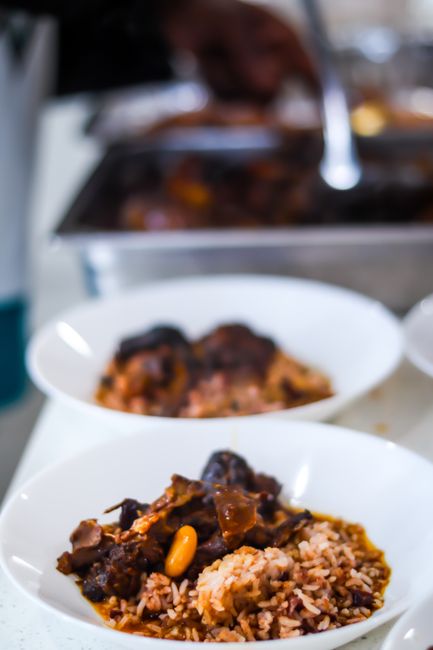
Jamaican Oxtail with Broad Beans: A Deep Dive into a Culinary Icon
Jamaican oxtail with broad beans, a dish steeped in history and bursting with complex flavors, represents a cornerstone of Jamaican culinary heritage. This slow-cooked stew, featuring the rich, gelatinous marrow of beef tails simmered with aromatic spices and the earthy sweetness of broad beans, is more than just a meal; it’s an experience. The preparation is a testament to resourcefulness and the art of transforming humble ingredients into something extraordinary. Historically, oxtail was often considered a less desirable cut, but through generations of culinary innovation, Jamaicans elevated it to a prized delicacy. The inherent collagen in the oxtail breaks down during the extended cooking process, creating a luxuriously thick, deeply savory gravy that coats every piece of meat and bean. This dish is a celebration of patience, where time is as crucial an ingredient as the meat and seasonings themselves. Its presence at Sunday dinners, special occasions, and even everyday meals underscores its enduring popularity and cultural significance.
The selection of the oxtail is paramount to the success of this dish. Opt for meaty, well-trimmed oxtail pieces, ideally from mature cattle, as this contributes to the characteristic richness and tenderness. The marrow within the bones is the star, providing unparalleled depth of flavor and a velvety texture to the stew. While readily available in most butcher shops and supermarkets, seeking out a butcher who understands the cut and can provide optimal pieces can elevate the final dish. The ideal oxtail pieces are those with a good balance of meat and bone, ensuring both substance and the release of flavor. Cleaning the oxtail thoroughly is a vital initial step. Rinsing under cold water and patting dry removes any residual blood or impurities. Some cooks prefer to briefly sear the oxtail pieces before braising, a technique that helps to develop a richer flavor and a more appealing color to the final stew. This searing process, often done in batches to avoid overcrowding the pan, locks in moisture and adds a caramelized note. The Maillard reaction, responsible for this browning, is a crucial flavor enhancer.
The foundational aromatics for Jamaican oxtail with broad beans are essential for building its characteristic flavor profile. This typically begins with the sautéing of onions, garlic, and scallions (green onions). These ingredients form the aromatic base, releasing their sweet and pungent notes into the cooking fat. Bell peppers, often a mix of red and green for color and a mild sweetness, are also frequently included at this stage. The gentle cooking of these vegetables softens them and allows their flavors to meld seamlessly. Scotch bonnet pepper, the iconic fiery chili of the Caribbean, is an indispensable element. Its unique fruity heat adds a vibrant kick without overwhelming the dish. While whole peppers are often added for a more nuanced heat and flavor infusion, they can be pricked or even slit to control the intensity. For those sensitive to spice, removing the seeds and membranes before adding the pepper can significantly reduce the heat. The judicious use of scotch bonnet is a hallmark of authentic Jamaican cooking, balancing heat with a symphony of other flavors.
Beyond the foundational aromatics, a specific blend of spices defines the unique character of Jamaican oxtail. Allspice (pimento) is a non-negotiable ingredient, lending its warm, complex flavor reminiscent of cinnamon, cloves, and nutmeg. Whole allspice berries are typically added to the pot, allowing their essence to slowly infuse into the braising liquid. Thyme, preferably fresh sprigs, contributes an earthy, herbaceous note that complements the richness of the oxtail. Black peppercorns, cracked or whole, add a subtle pungency. Some recipes might also incorporate a bay leaf for added depth. The slow simmering process allows these spices to fully release their volatile oils, contributing to the deep, layered flavor of the stew. The interplay of these spices creates a fragrance that is instantly recognizable and deeply comforting. The precise combination and quantity of spices can vary slightly from household to household, leading to subtle yet significant differences in flavor, reflecting family traditions and personal preferences.
The braising liquid is the vehicle for flavor development and the key to achieving tender oxtail. Traditionally, water or beef broth forms the base. However, for an even richer and more complex flavor, some cooks opt for a combination of beef broth and a splash of red wine or even stout beer. The alcohol in wine or beer can help to tenderize the meat and add another layer of subtle flavor. Tomato paste or diced tomatoes are often incorporated to provide acidity and a touch of sweetness, further enriching the gravy. Soy sauce or Worcestershire sauce can also be added for an umami boost, deepening the savory notes. The liquid should be sufficient to mostly cover the oxtail, allowing it to simmer gently and break down. The cooking process is characterized by its slow and steady pace. The oxtail is typically brought to a boil, then reduced to a gentle simmer, covered, and left to cook for several hours. The duration is crucial, often ranging from 2 to 4 hours, or until the meat is fork-tender and easily separates from the bone. This extended cooking time is what transforms the tough oxtail into a melt-in-your-mouth delicacy.
The inclusion of broad beans, also known as fava beans, adds a distinct dimension to Jamaican oxtail. These starchy legumes provide a delightful textural contrast to the tender meat and a subtle, earthy sweetness that balances the richness of the oxtail and its gravy. Broad beans can be used fresh or dried. Fresh broad beans require shelling and peeling. The outer skin of each individual bean can be removed after blanching to reveal the vibrant green interior, resulting in a more delicate texture. Dried broad beans need to be soaked overnight and then cooked until tender before being added to the stew. Frozen broad beans are a convenient option, often requiring less preparation. They are typically added during the final stages of cooking, allowing them to absorb the flavors of the stew without becoming mushy. The broad beans swell as they cook, absorbing the rich gravy and contributing to the overall heartiness of the dish. Their presence transforms the oxtail from a purely meat-centric dish into a more complete and satisfying meal.
The final stages of cooking Jamaican oxtail with broad beans are crucial for achieving the desired consistency and flavor. Once the oxtail is tender, the stew is typically thickened. This can be achieved in several ways. Some cooks will simply remove the lid during the last 30-60 minutes of cooking to allow the liquid to reduce and concentrate. Alternatively, a slurry of cornstarch or flour mixed with water can be stirred in to achieve a thicker gravy. For a truly authentic and rich gravy, some recipes call for "browning" – a caramelization process where sugar is heated until it turns a deep brown color, then carefully added to the stew. This browning adds a distinctive smoky sweetness and a beautiful dark hue to the gravy. It’s important to note that browning can be tricky and requires careful attention to avoid burning. Seasoning adjustments are also made during this phase. Tasting and adding salt and pepper as needed is essential to ensure the perfect flavor balance. Some cooks might also add a touch of browning sauce, readily available in Caribbean grocery stores, for ease and consistency in achieving the characteristic color and flavor.
Serving Jamaican oxtail with broad beans is an integral part of the culinary experience. It is traditionally served piping hot, allowing the rich aromas to fill the air. The most common accompaniments are plain white rice, which acts as a perfect canvas for the flavorful gravy, or fluffy boiled dumplings (bammies or johnnycakes), which are also classic Jamaican staples. A side of steamed or boiled callaloo (a leafy green vegetable) or a fresh, crisp salad can provide a refreshing counterpoint to the richness of the oxtail. The visual appeal of the dish is also important – the deep, glossy gravy, the tender chunks of oxtail, and the vibrant green of the broad beans create an inviting presentation. The act of scooping the rich gravy over the rice or dumplings is a ritual in itself, a moment of anticipation before savoring the complex flavors.
The cultural significance of Jamaican oxtail with broad beans cannot be overstated. It is a dish that evokes memories of home, family gatherings, and celebrations. It represents the ingenuity and resilience of the Jamaican people, who have transformed humble ingredients into a beloved national dish. From the bustling street food stalls to the elegant dining tables of discerning home cooks, this stew holds a special place in the heart of Jamaican cuisine. It’s a dish that is passed down through generations, with each family adding their own subtle variations and secrets to the recipe. The communal aspect of sharing a pot of oxtail is deeply ingrained in Jamaican culture, fostering a sense of togetherness and shared heritage. Its popularity extends beyond the island, with a growing global appreciation for its unique flavor and comforting nature.
Nutritionally, Jamaican oxtail with broad beans is a hearty and protein-rich dish. Oxtail itself is a good source of protein and collagen, which is beneficial for skin, joints, and connective tissues. The marrow provides healthy fats. Broad beans are a good source of dietary fiber, plant-based protein, folate, and various vitamins and minerals. While the dish can be calorie-dense due to the fat content of the oxtail and the richness of the gravy, it is a nourishing and satisfying meal, especially when balanced with lighter accompaniments. The slow cooking process makes the nutrients in the oxtail more readily available for absorption. The fiber in the broad beans also contributes to digestive health. It’s a dish that offers both comfort and sustenance.
Exploring variations of Jamaican oxtail with broad beans reveals the adaptability of this beloved dish. While the core ingredients remain consistent, regional differences and personal preferences lead to subtle variations. Some cooks might add carrots or potatoes for added bulk and sweetness. A hint of nutmeg can also be incorporated for a warmer spice profile. The intensity of the scotch bonnet pepper is a key area of variation, with some preferring a fiery kick while others opt for a more subtle warmth. The thickening agent for the gravy can also differ, from natural reduction to the use of cornstarch or flour. Regardless of these minor adjustments, the fundamental essence of slow-cooked, richly flavored oxtail with the earthy counterpoint of broad beans remains the defining characteristic. The dish is a testament to how simple ingredients, treated with care and patience, can create culinary magic. Its enduring appeal lies in its ability to comfort, nourish, and connect people to their heritage and to each other, making it a true icon of Jamaican gastronomy.
