
Mexican Rice And Beans
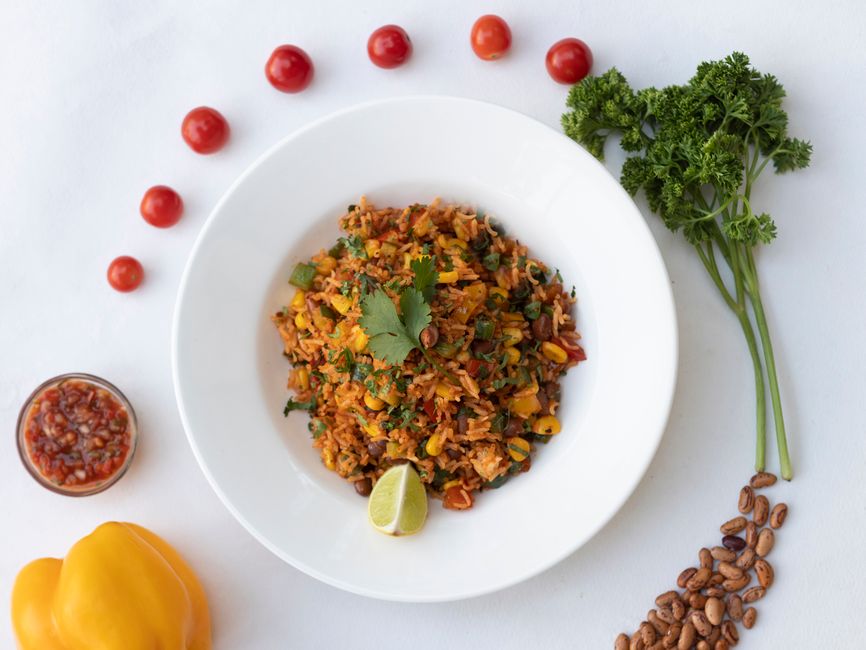
Mexican Rice and Beans: A Culinary Cornerstone
Mexican rice and beans, often referred to as "arroz y frijoles," form the bedrock of countless Mexican dishes and are an indispensable component of authentic Mexican cuisine. Far more than mere side dishes, they are a symbiotic pairing, each enhancing the other’s flavor and texture while providing essential nutrients and satiety. This versatile duo appears in everything from humble home-cooked meals to elaborate restaurant presentations, serving as a base for tacos, burritos, enchiladas, tamales, and countless other culinary creations. Understanding the nuances of preparing and appreciating Mexican rice and beans is crucial for anyone seeking to master or even simply enjoy the vibrant tapestry of Mexican food. This article will delve into the preparation, variations, cultural significance, and nutritional benefits of this iconic pairing, offering insights for home cooks and food enthusiasts alike.
The Art of Perfect Mexican Rice (Arroz a la Mexicana)
Mexican red rice, or arroz a la mexicana, is characterized by its vibrant reddish-orange hue and fluffy, separate grains. This distinctive color and flavor come from the incorporation of tomatoes and other aromatics during the cooking process. The foundation of good Mexican rice lies in the proper preparation of the rice itself. Long-grain white rice is the most common choice due to its ability to absorb moisture without becoming mushy. The first critical step is rinsing the rice. This removes excess starch, which prevents the grains from clumping together and results in a lighter, fluffier texture. Some cooks even advocate for toasting the rice briefly in oil before adding liquids. This toasting step, often done after sautéing aromatics, contributes a nutty depth of flavor and further aids in keeping the grains distinct.
The flavor base for Mexican rice is typically built with finely minced onion and garlic, sautéed in oil until softened and fragrant. This aromatic foundation is then combined with pureed or finely diced tomatoes. Canned diced tomatoes or tomato sauce can be used, but fresh ripe tomatoes, blended into a smooth puree, offer the most vibrant flavor and color. Some recipes call for a pinch of ground cumin, adding a characteristic earthy warmth that is quintessential to Mexican flavors. Chicken broth or water serves as the cooking liquid. Using chicken broth imparts a richer, more savory dimension to the rice, while water creates a lighter, cleaner taste. The ratio of liquid to rice is crucial for achieving the perfect texture. A common starting point is a 2:1 liquid-to-rice ratio, but this can vary depending on the type of rice and personal preference.
The cooking process involves bringing the liquid and rice mixture to a boil, then reducing the heat to a low simmer, covering the pot tightly, and allowing the rice to cook undisturbed for approximately 15-20 minutes, or until all the liquid is absorbed and the rice is tender. Crucially, the lid should not be lifted during this simmering period, as this allows steam to escape, which is essential for even cooking. Once cooked, the rice should be allowed to rest, covered, for another 5-10 minutes off the heat. This resting period allows the steam to redistribute and the grains to finish cooking, further enhancing their fluffiness. Finally, the rice is gently fluffed with a fork to separate the grains.
Variations abound in Mexican rice. Some regional recipes incorporate finely diced carrots and peas, adding sweetness and color. Others might include a small amount of canned green chilies for a subtle hint of heat and flavor. Cilantro, added after cooking or as a garnish, provides a fresh, herbaceous finish. The key to mastering Mexican rice is practice and attention to detail, understanding how each ingredient contributes to the final dish.
The Humble Power of Mexican Beans (Frijoles)
Mexican beans, or frijoles, are as fundamental to Mexican cuisine as rice. They are a staple protein source, offering sustenance and a wealth of nutrients. The most common varieties used in Mexican cooking are pinto beans and black beans. Pinto beans, with their creamy texture and mild, earthy flavor, are incredibly versatile and are often mashed to create refried beans. Black beans, with their slightly firmer texture and richer, more robust flavor, are also widely used, both whole and mashed.
The preparation of Mexican beans typically begins with dried beans. These require soaking, either overnight (cold soak) or for a shorter period with hot water (quick soak). Soaking rehydrates the beans, reducing their cooking time and aiding in digestion by reducing phytic acid. After soaking, the beans are rinsed and then cooked in fresh water, often with aromatics like onion, garlic, and a bay leaf, until tender. The cooking time can vary significantly depending on the age and type of bean, ranging from 1 to 3 hours or even longer.
Once cooked, the beans can be prepared in numerous ways. Frijoles de la olla (beans in the pot) are simply the cooked beans served in their flavorful cooking liquid, often seasoned with salt and a touch of lard or oil. This is a common way to enjoy beans as a side dish, allowing their natural flavor to shine.
Frijoles refritos (refried beans) are perhaps the most iconic preparation. These are made by mashing the cooked beans (traditionally pinto beans) and then frying them in lard or oil. The name "refried" is a bit of a misnomer, as they are typically fried only once. The key to delicious refried beans is the cooking fat and the addition of aromatics. Sautéed onion and garlic, along with a pinch of cumin, are often incorporated before or during the mashing and frying process. Some people add a splash of the bean cooking liquid or water to achieve a smoother, creamier consistency. While lard was historically the preferred cooking fat for its rich flavor, vegetable oil or even bacon fat are common substitutes today. The resulting refried beans are smooth, creamy, and deeply savory, serving as a perfect accompaniment to almost any Mexican dish.
Black beans are also a popular choice and can be prepared similarly, though they tend to hold their shape better than pinto beans when mashed. Frijoles negros are often cooked with aromatics like jalapeño or serrano peppers, onion, and garlic, and can be served whole or lightly mashed.
Beyond the basic preparations, beans are integral to many other Mexican dishes. They are the creamy filling for burritos, the hearty base for tacos, and a crucial element in dishes like chiles rellenos and huevos rancheros. The versatility of beans, coupled with their nutritional value, solidifies their status as a cornerstone of Mexican cuisine.
The Symbiotic Relationship: Why Rice and Beans Work Together
The enduring popularity of the Mexican rice and beans pairing is not merely a matter of tradition; it’s a testament to their complementary nutritional profiles and culinary synergy. Individually, rice (primarily carbohydrates) and beans (protein and fiber) offer distinct nutritional benefits. However, when consumed together, they create a complete protein source. This is particularly significant in traditional diets where meat might have been less readily available or affordable. The amino acids present in rice and beans, when combined, mirror the essential amino acid profile found in animal proteins, making them a powerful and complete nutritional package, especially for vegetarian and vegan diets.
From a culinary perspective, the pairing is masterful. The fluffy, slightly starchy texture of Mexican rice provides a comforting base that absorbs and complements the richer, often softer or creamier textures of beans. The mild, savory flavor of the rice acts as a neutral canvas, allowing the distinct flavors of seasoned beans to shine through. Conversely, the beans add depth, protein, and a satisfying heartiness that balances the lightness of the rice. This interplay of textures and flavors creates a harmonious and deeply satisfying dish that is both simple and complex.
Imagine a perfectly seasoned plate of arroz a la mexicana next to a scoop of creamy frijoles refritos. The vibrant orange of the rice contrasts beautifully with the earthy brown of the beans. A spoonful brings together the distinct elements – the individual grains of rice, the smooth, rich refried beans, perhaps a hint of the seasoned cooking liquid. The flavors meld in the mouth, with the subtle sweetness of tomato in the rice harmonizing with the savory depth of the beans. This is the essence of the pairing, a culinary dance that has been perfected over centuries.
Cultural Significance and Regional Variations
Mexican rice and beans are more than just food; they are woven into the fabric of Mexican culture. They represent sustenance, resourcefulness, and the heart of home cooking. In many Mexican households, the aroma of rice simmering with tomatoes and the gentle bubbling of beans on the stove are synonymous with comfort and family. This dish is often the first introduction many have to Mexican cuisine, and its presence at everyday meals and special occasions alike speaks volumes about its importance.
Regional variations in preparation reflect the diverse culinary landscape of Mexico. In Northern Mexico, where cattle ranching is prominent, lard is often more liberally used in bean preparations, lending a richer flavor. In coastal regions, seafood might be incorporated into rice dishes, creating variations like arroz a la marinera. Southern Mexican cuisine might feature more complex spice blends and unique regional chilies in both rice and bean dishes.
The practice of serving rice and beans as a standard accompaniment is deeply ingrained. It’s rare to find a truly authentic Mexican meal that doesn’t feature at least one, and often both, of these staples. They are the quiet heroes, the dependable foundation upon which countless other flavors and dishes are built. Their simplicity belies their complexity, and their nutritional power makes them an enduring symbol of healthy, satisfying eating.
Nutritional Powerhouse
Beyond their culinary appeal, Mexican rice and beans are a nutritional powerhouse. As mentioned, their combination provides complete protein. Beans are also an excellent source of dietary fiber, which aids digestion, promotes satiety, and can help regulate blood sugar levels. They are rich in essential minerals such as iron, magnesium, potassium, and zinc, and they are a good source of complex carbohydrates for sustained energy.
White rice, while often refined, still provides carbohydrates for energy. When paired with whole beans, it contributes to a balanced meal. Brown rice can also be used for a higher fiber content, though it is less traditional in classic Mexican rice preparations. The vegetables commonly incorporated into Mexican rice, such as tomatoes, onions, and garlic, add vitamins, minerals, and antioxidants to the dish.
The relatively low fat content of properly prepared beans (especially when not heavily fried in lard) and the lean nature of rice make this pairing a healthy and filling option. This nutritional density is a key reason why rice and beans have sustained populations for generations and continue to be a cornerstone of healthy eating.
Conclusion
Mexican rice and beans, arroz y frijoles, stand as enduring testaments to the brilliance of simple, foundational cuisine. They are more than just side dishes; they are a complete nutritional package, a canvas for countless flavors, and a deeply embedded cultural icon. From the perfectly toasted grains of arroz a la mexicana to the creamy comfort of frijoles refritos, each preparation showcases the versatility and essentiality of this humble yet mighty duo. Mastering their preparation unlocks a deeper understanding and appreciation of Mexican culinary traditions, offering delicious, healthy, and satisfying meals that have nourished generations. Their symbiotic relationship, both nutritionally and culinarily, ensures their continued prominence as a cornerstone of global cuisine, inspiring home cooks and delighting palates worldwide.
