
Charleston Shrimp N Gravy
Charleston Shrimp and Gravy: A Culinary Cornerstone of the Holy City
Charleston shrimp and gravy, a seemingly simple yet profoundly satisfying dish, stands as a testament to the culinary ingenuity and rich agricultural heritage of the Lowcountry. Far more than just a breakfast staple, this iconic South Carolina creation embodies the spirit of Charleston itself – a harmonious blend of tradition, resourcefulness, and undeniable flavor. At its core, Charleston shrimp and gravy is a symphony of textures and tastes: succulent, plump shrimp, often pan-seared or sautéed to perfection, swimming in a creamy, peppery gravy, all served atop a bed of buttery, fluffy grits. This dish is a cornerstone of Southern cuisine, particularly prevalent in the Charleston area, where it’s a beloved brunch item, a comforting supper, and a frequent star on restaurant menus across the city. Its appeal lies in its ability to be both rustic and refined, simple enough for a home cook to master yet sophisticated enough to grace the tables of acclaimed establishments. The ingredients, while seemingly straightforward, are elevated by careful preparation and the inherent quality of Lowcountry produce, especially the shrimp, which are often sourced fresh from the Atlantic waters off the South Carolina coast.
The history of Charleston shrimp and gravy is deeply intertwined with the agricultural and maritime traditions of the Lowcountry. Grits, a staple derived from corn, have been a food source in the Southern United States for centuries, originating from indigenous Native American populations who cultivated corn. The arrival of European settlers, particularly the Scots-Irish, introduced milling techniques that refined corn into the grit we know today. The gravy component, a thick sauce often made with pan drippings, flour, milk, and seasonings, is a classic culinary technique for stretching limited ingredients and adding richness to dishes. Shrimp, a plentiful and vital seafood resource in the coastal regions of South Carolina, became an obvious accompaniment. The combination likely emerged as a practical and delicious way to utilize readily available ingredients, particularly in the days before widespread refrigeration and advanced food distribution. As the dish evolved, regional variations emerged, each reflecting the specific culinary preferences and available ingredients of different communities. However, Charleston, with its strong maritime culture and access to exceptionally fresh shrimp, developed a particularly celebrated version. The "gravy" in Charleston shrimp and gravy is often characterized by its peppery kick, a nod to the Southern palate’s appreciation for spice, and its creamy, emulsified texture, achieved through careful simmering and the addition of dairy. The specific type of shrimp used can also influence the final dish; smaller, sweeter shrimp are often favored for their ability to cook quickly and absorb the flavors of the gravy without becoming tough.
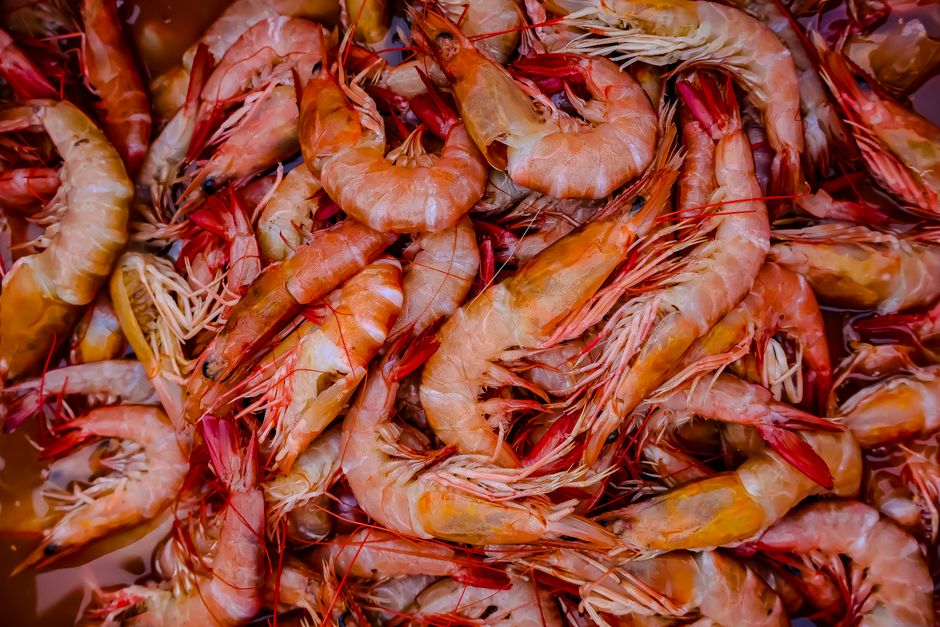
The foundational element of any excellent Charleston shrimp and gravy is, unequivocally, the shrimp. Lowcountry shrimp are renowned for their sweetness and firm texture, thanks to the unique estuarine environment where they thrive. These shrimp are typically caught wild in the Atlantic Ocean and the numerous bays and inlets of the South Carolina coast. When preparing Charleston shrimp and gravy, the quality of the shrimp is paramount. Overcooked or poor-quality shrimp will result in a rubbery, unappetizing dish, regardless of how well the gravy and grits are prepared. Many local chefs and home cooks advocate for using fresh, unpeeled shrimp, as the shells can impart additional flavor to the shrimp and the pan drippings used in the gravy. The cooking method for the shrimp is also crucial. A quick sauté or pan-sear is preferred, allowing the shrimp to cook through without becoming tough. Some recipes call for a light dredging in seasoned flour before searing, which can add a subtle crispness and help thicken the gravy. The seasoning of the shrimp is typically straightforward, often involving salt, black pepper, and perhaps a pinch of Old Bay seasoning or a local Lowcountry spice blend, allowing the natural sweetness of the shrimp to shine through. The size of the shrimp can also be a consideration; larger shrimp offer a more substantial bite, while smaller shrimp might be preferred for a more delicate texture and even distribution throughout the gravy. The goal is to achieve perfectly cooked, tender, and flavorful shrimp that form the heart of this beloved dish.
The gravy is the soul of Charleston shrimp and gravy, binding the dish together with its rich, creamy, and peppery embrace. The foundation of a classic Charleston shrimp gravy often begins with a roux, a cooked mixture of fat (usually butter or rendered bacon fat) and flour. This roux provides the thickening agent for the gravy. The key to a good roux is patient cooking, allowing it to develop a light golden-brown color without burning. Once the roux is established, liquid is gradually whisked in to create a smooth, lump-free sauce. This liquid is typically milk or a combination of milk and heavy cream, which contributes to the dish’s signature creaminess. Some variations might incorporate chicken or seafood stock for added depth of flavor, but milk and cream are traditional for achieving that velvety texture. The characteristic peppery note in Charleston shrimp gravy is essential. This is achieved through a generous amount of freshly ground black pepper, often a blend of white and black pepper for a more nuanced heat. Other common seasonings include salt, garlic powder, onion powder, and a touch of cayenne pepper for an extra kick. Some recipes may also include a splash of hot sauce, such as Tabasco or a local Carolina reaper sauce, to further enhance the spice profile. The gravy is simmered gently until it reaches the desired consistency, coating the back of a spoon. The rendered fat and flavor from any shrimp or other proteins cooked in the pan before the gravy is made also contribute significantly to its taste. A well-made Charleston shrimp gravy is not merely a sauce; it’s a complex flavor vehicle that complements, but never overpowers, the delicate sweetness of the shrimp and the creamy richness of the grits.
Grits are the indispensable foundation upon which Charleston shrimp and gravy is built. In the American South, grits are more than just a side dish; they are a cultural touchstone, a comforting food deeply ingrained in the region’s identity. For Charleston shrimp and gravy, the ideal grits are creamy, smooth, and rich, acting as a perfect canvas for the savory topping. The type of grits used matters. Stone-ground grits, made from corn that has been ground between two stones, tend to have a more robust corn flavor and a slightly coarser texture, offering a satisfying chew. Quick-cooking or instant grits, while convenient, often lack the depth of flavor and superior texture of their stone-ground counterparts. The preparation of grits is an art in itself. They are typically cooked slowly with liquid, usually water, milk, or a combination of both, allowing them to absorb the liquid and become tender. As they cook, they are stirred frequently to prevent sticking and to ensure a creamy, uniform consistency. Butter is an essential addition, lending richness and a luscious mouthfeel. Salt is also crucial for seasoning. Some cooks may opt to finish their grits with a touch of heavy cream or a sprinkle of cheese, such as sharp cheddar or Parmesan, for an extra layer of indulgence. The key to perfect grits for shrimp and gravy is achieving a creamy, spoonable consistency that is neither too stiff nor too watery. They should be able to hold their shape slightly but still flow beautifully, embracing the shrimp and gravy. The subtle sweetness of the corn in the grits plays a vital role in balancing the savory, peppery notes of the gravy and the briny sweetness of the shrimp, creating a harmonious and deeply satisfying culinary experience.
Variations on the classic Charleston shrimp and gravy theme are as diverse as the cooks who prepare it. While the core elements remain constant, subtle shifts in ingredients and techniques can lead to unique and delightful interpretations. One common variation involves the inclusion of other proteins. Smoked sausage, particularly andouille or a locally cured pork sausage, is often added to the gravy, providing a smoky depth and a slightly chewy texture that complements the shrimp beautifully. Bacon, whether crumbled and mixed into the gravy or used to render fat for the roux, is another popular addition, lending its characteristic salty and smoky flavor. Some recipes might incorporate finely diced onions and bell peppers, sautéed alongside the shrimp, adding a layer of aromatic sweetness and subtle crunch to the dish. For those seeking a richer, more decadent experience, a splash of white wine can be added to deglaze the pan after searing the shrimp, infusing the gravy with a subtle acidity and complex flavor. The type of dairy used in the gravy can also be adjusted; some prefer the lighter creaminess of milk, while others opt for the luxurious richness of heavy cream or half-and-half. For a spicier rendition, a wider array of peppers can be used, from diced jalapeños or serranos cooked with the shrimp to a more liberal application of cayenne or red pepper flakes in the gravy itself. Even the finishing touches can vary; some garnish their Charleston shrimp and gravy with fresh parsley or chives for a burst of color and herbaceous freshness, while others might opt for a drizzle of extra hot sauce for those who crave an extra kick. These variations highlight the adaptability and enduring appeal of Charleston shrimp and gravy, allowing it to be tailored to individual preferences while retaining its essential Lowcountry character.
The cultural significance of Charleston shrimp and gravy extends beyond its delicious flavor profile. It represents a deep connection to the land and sea, a celebration of local bounty, and a testament to the resilience and resourcefulness of the people of the Lowcountry. This dish is a tangible link to the past, a culinary tradition passed down through generations, embodying the warmth and hospitality for which Charleston is known. It is a dish that brings people together, whether at a bustling brunch spot or around a family dinner table. Its presence on menus, from casual diners to upscale restaurants, underscores its status as a culinary icon. The appeal of Charleston shrimp and gravy lies in its authenticity and its ability to evoke a sense of place. It is a dish that tastes of the coast, of sunshine, and of time-honored cooking methods. The SEO value of this dish is considerable, as it is a highly searched term for food enthusiasts and travelers interested in experiencing authentic Southern cuisine. Keywords such as "Charleston food," "Lowcountry cuisine," "Southern brunch," "shrimp and grits recipe," and "best shrimp and gravy Charleston" are all relevant search terms that indicate a strong interest in this culinary staple. Understanding the nuances of its preparation, its historical context, and its regional variations is crucial for anyone seeking to truly appreciate and replicate this iconic dish. It is a dish that tells a story, a story of heritage, flavor, and the enduring spirit of Charleston.
The nutritional profile of Charleston shrimp and gravy, while generally considered a comfort food, can be understood in terms of its primary components. Shrimp themselves are an excellent source of lean protein, low in fat, and rich in essential nutrients like selenium, vitamin B12, and omega-3 fatty acids, which are beneficial for heart health. They are also a good source of iodine. Grits, made from corn, provide carbohydrates for energy. The nutritional value of grits can vary depending on the type; stone-ground grits often retain more of the whole grain’s fiber and nutrients compared to refined grits. The gravy component, typically made with milk or cream and butter, contributes saturated fat and calcium. The use of flour in the roux adds carbohydrates. Depending on added ingredients like sausage or bacon, the fat and sodium content can increase significantly. When prepared with generous amounts of butter, cream, and fatty meats, Charleston shrimp and gravy can be a calorie-dense dish, rich in fat and sodium. However, it can also be a balanced meal when prepared thoughtfully. Opting for skim milk or a lighter cream in the gravy, using a moderate amount of butter, and focusing on the lean protein of the shrimp can contribute to a healthier preparation. The inclusion of fresh vegetables, such as sautéed onions and peppers, can also add fiber and vitamins, further enhancing the nutritional value. While not typically considered a health food, Charleston shrimp and gravy, in moderation and with mindful preparation, can be enjoyed as part of a balanced diet, providing satisfying protein, carbohydrates, and essential minerals. Its appeal often transcends strict nutritional considerations, focusing on its role as a deeply comforting and flavorful dish rooted in regional culinary traditions.
The culinary journey of Charleston shrimp and gravy is far from over. As contemporary chefs explore new flavor profiles and techniques, this classic dish continues to evolve. Modern interpretations might involve infusing the grits with unexpected ingredients like mascarpone cheese for an ultra-creamy texture, or incorporating exotic spices into the gravy for a global twist. Some chefs are experimenting with plant-based alternatives, creating vegan versions of shrimp and gravy that aim to capture the essence of the dish using innovative ingredients. For instance, king oyster mushrooms can be prepared to mimic the texture of shrimp, and a cashew-based cream sauce can replace the dairy-based gravy. The continued innovation surrounding Charleston shrimp and gravy speaks to its enduring popularity and its status as a beloved culinary canvas. Whether presented in its most traditional form or reimagined with contemporary flair, the dish consistently delivers on its promise of comfort, flavor, and a true taste of the Lowcountry. Its ability to adapt while retaining its core identity is a testament to its foundational strength and the deep affection it holds in the hearts of those who have the pleasure of experiencing it. The dish’s SEO relevance is amplified by these evolving trends, as searches for "modern shrimp and gravy," "vegan shrimp and grits," and "Charleston food innovation" continue to grow. This ensures that Charleston shrimp and gravy remains a prominent topic in online culinary discussions for years to come.
