
Irish Soda Bread Muffins 2
Irish Soda Bread Muffins 2: A Deep Dive into This Beloved Quick Bread Variation
Irish soda bread muffins represent a delightful evolution of the traditional Irish soda bread, offering a convenient and equally delicious single-serving format. This article delves into the intricacies of crafting these delightful muffins, exploring ingredient choices, foundational techniques, common variations, and tips for achieving optimal results. The inherent simplicity of soda bread, relying on the chemical reaction between baking soda and an acidic agent to leaven, translates seamlessly into a muffin batter, producing a tender crumb and a satisfyingly crusty exterior.
The core of any Irish soda bread muffin recipe lies in its fundamental ingredients: flour, baking soda, salt, and an acidic liquid. All-purpose flour is the standard choice, providing a good balance of structure and tenderness. For a slightly heartier muffin with more complex flavor, whole wheat flour can be incorporated, though it’s often recommended to use a blend to avoid a dense texture. The baking soda, a single-acting leavener, reacts almost immediately upon contact with moisture and acid, so swift mixing and baking are crucial. Salt, beyond enhancing flavor, also plays a role in strengthening the gluten structure. The acidic component is what activates the baking soda. Traditionally, buttermilk is the go-to, its lactic acid providing a tangy flavor and a tenderizing effect. However, milk with a tablespoon of lemon juice or white vinegar added and allowed to sit for a few minutes serves as an excellent and readily available substitute. Cream, with its higher fat content, can also be used for an even richer muffin.
Beyond the core quartet, fat plays a vital role in tenderness and flavor. Butter, either melted or softened, is a popular choice for its rich taste and contribution to a slightly crisp exterior. Oil, such as vegetable or canola oil, yields a moister muffin and can be a more convenient option. Some recipes even incorporate lard for a more traditional and distinct flavor profile. Sugar, while not as prominent as in many other muffin types, is typically included to balance the tang of the acidic liquid and to contribute to browning. The amount can be adjusted to personal preference, with less sugar yielding a more savory muffin. Eggs are usually omitted in traditional soda bread, and this omission often carries over to many soda bread muffin recipes, contributing to the characteristic dense yet tender crumb. However, some modern interpretations may include an egg for added richness and binding.
The mixing technique for Irish soda bread muffins is paramount to their success. The defining characteristic of soda bread, and thus its muffin counterpart, is the minimal mixing required. Overmixing develops the gluten in the flour, leading to tough, rubbery muffins. The ideal approach is to combine the dry ingredients thoroughly, then create a well in the center and add the wet ingredients. A few quick stirs with a spatula or wooden spoon are all that’s needed to bring the batter together. Lumps are not only acceptable but desirable; they indicate that the gluten has not been overdeveloped. The batter will appear shaggy and somewhat wet.
Preheating the oven to the correct temperature is essential for achieving an even bake and a good rise. Typically, a moderate to hot oven, around 375°F to 400°F (190°C to 200°C), is recommended. Using well-greased muffin tins or paper liners prevents sticking and ensures easy removal. Filling the muffin cups about two-thirds to three-quarters full allows for adequate rise without overflowing. The baking time will vary depending on the oven and the size of the muffins, but generally ranges from 20 to 25 minutes. Muffins are done when a toothpick inserted into the center comes out clean or with a few moist crumbs attached. Overbaking will result in dry muffins.
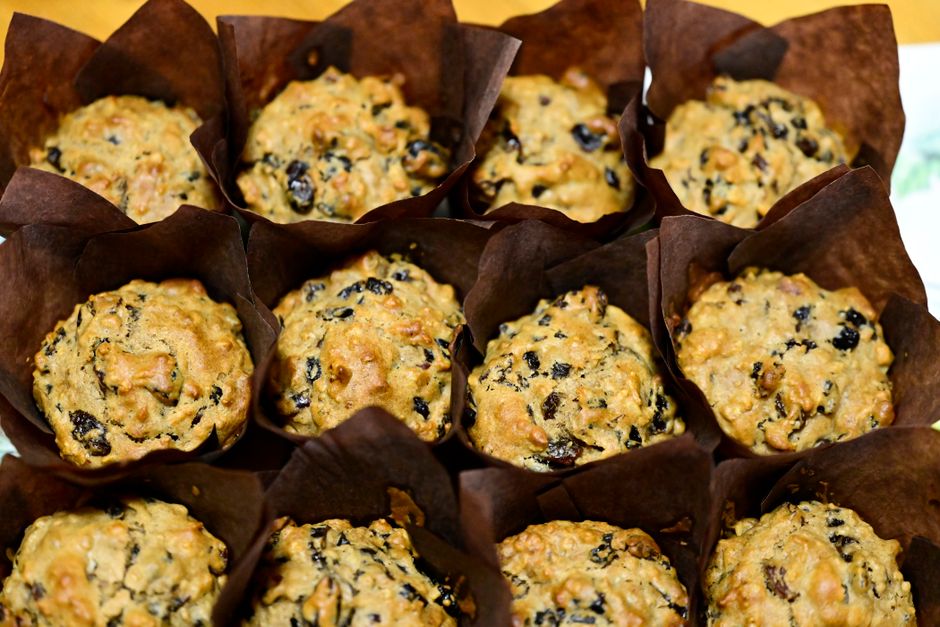
The beauty of Irish soda bread muffins lies in their versatility and the myriad of delicious variations possible. The simplest and perhaps most iconic iteration is the "plain" or "traditional" muffin, focusing on the pure flavors of the basic ingredients. These are excellent for serving with butter, jam, or alongside savory dishes like stews or soups. Raisins are a classic addition, plumped in warm water or tea before being folded into the batter. This adds pockets of sweetness and chewiness throughout.
Savory variations open up a world of exciting possibilities. Grated cheese, such as sharp cheddar, Gruyère, or Parmesan, melts into the muffin, creating a wonderfully savory bite. Herbs, like chives, rosemary, or thyme, add aromatic depth. For a heartier, more substantial muffin, consider adding cooked and crumbled bacon or pancetta. Jalapeños or other chili peppers can be incorporated for a spicy kick, complemented by the cooling effect of cheese.
Sweet variations, while less traditional, are equally delightful. Dried cranberries or blueberries offer bursts of tartness. A touch of honey or maple syrup in the batter can enhance sweetness. For a more decadent treat, chocolate chips are a popular choice. Spices like cinnamon, nutmeg, or cardamom can transform the humble soda bread muffin into a warming, autumnal delight. Even fruit zests, like orange or lemon, can add a bright, citrusy note.
Troubleshooting common issues is key to mastering Irish soda bread muffins. A common problem is toughness, almost always a result of overmixing the batter. Remember, a few gentle stirs are all that’s needed. Another potential issue is a dense, heavy muffin, which can also stem from overmixing or insufficient leavening. Ensure your baking soda is fresh and hasn’t expired, as its potency degrades over time. Using the correct acidic liquid is also vital; insufficient acidity will lead to a poor rise.
A crumbly texture, while sometimes desirable in soda bread, can be excessive in muffins if the ingredients aren’t properly balanced or if the batter is too dry. Adding a touch more liquid or ensuring adequate fat content can help. Conversely, a gummy interior often indicates underbaking. Be sure to test for doneness thoroughly. If the tops are browning too quickly before the inside is cooked, tent the muffins loosely with aluminum foil for the remainder of the baking time.
Storage of Irish soda bread muffins is straightforward. Once completely cooled, they can be stored in an airtight container at room temperature for two to three days. For longer storage, they freeze exceptionally well. Wrap individual muffins tightly in plastic wrap, then place them in a freezer-safe bag or container. They can be frozen for up to three months. To reheat, thaw at room temperature or gently warm in a toaster oven or microwave.
The history of Irish soda bread itself is rooted in necessity and ingenuity. Developed in the 19th century, it became a staple in Irish households due to the widespread availability of baking soda, a more accessible leavening agent than yeast. This quick bread allowed for speedy baking without the long fermentation times associated with traditional yeast breads. The shift from a large loaf to individual muffins likely evolved as a way to cater to smaller households, provide convenient grab-and-go options, and experiment with diverse flavor profiles in a manageable format. The "Muffin 2" designation, while seemingly arbitrary, often signifies a second iteration or a refined recipe, suggesting a deliberate effort to improve upon existing muffinized soda bread recipes, perhaps focusing on texture, flavor balance, or ease of preparation.
The role of the acidic agent extends beyond mere leavening. The lactic acid in buttermilk, for example, tenderizes the gluten, contributing to the signature soft crumb. When substituting with milk and vinegar or lemon juice, it’s important to allow the mixture to sit for a few minutes to allow the acid to curdle the milk slightly, mimicking the effect of buttermilk. This slight curdling is a visual cue that the reaction has begun.
For those seeking an even quicker baking experience, some recipes adapt the muffin method to incorporate a slightly wetter batter, sometimes referred to as "quick muffins" or "drop scones" in some traditions, though the core soda bread principles remain. These might involve a slightly higher ratio of liquid to flour. However, the true Irish soda bread muffin retains a certain density that distinguishes it from lighter, fluffier cake-like muffins.
Experimentation with different flours can lead to nuanced flavors and textures. Spelt flour, for instance, offers a slightly nutty flavor and a more delicate texture than whole wheat. Rye flour, used sparingly, can add a distinctive earthy note and a slightly chewier crumb. Gluten-free adaptations require careful attention to binder agents like xanthan gum or psyllium husk to replicate the structure that gluten provides, and often necessitate a blend of gluten-free flours to achieve optimal results.
The versatility of Irish soda bread muffins also makes them an excellent vehicle for creative toppings and accompaniments. A dollop of clotted cream and a drizzle of honey elevate a plain muffin to a delightful treat. Smoked salmon and cream cheese create a savory and sophisticated pairing. For a dessert-like experience, a light dusting of powdered sugar or a drizzle of a simple glaze can be applied once the muffins have cooled.
The "Muffin 2" aspect of the title could also imply a specific, perhaps regionally popular or author-developed, recipe that has gained traction. Without specific context for "Muffin 2," it’s generally understood as a common or well-regarded variation on the theme of transforming traditional soda bread into a muffin form. The principles remain consistent: simplicity, minimal mixing, and the chemical reaction of baking soda.
In conclusion, Irish soda bread muffins offer a satisfying and adaptable quick bread experience. By understanding the fundamental ingredients, mastering the gentle mixing technique, and exploring the vast array of flavor variations, bakers can consistently produce delicious, tender, and flavorful muffins that honor the spirit of their Irish heritage. Whether enjoyed plain or adorned with creative additions, these muffins are a testament to the enduring appeal of simple, honest baking.
