
Keto Smothered Chicken Thighs
Keto Smothered Chicken Thighs: The Ultimate Low-Carb Comfort Food
Keto smothered chicken thighs represent a paradigm shift in low-carb, high-fat cooking, transforming a humble cut of chicken into a decadent, deeply flavorful centerpiece that satisfies primal cravings without derailing ketosis. This dish, often a staple in Southern cuisine, is expertly adapted for the ketogenic diet, proving that indulgence and dietary adherence can coexist beautifully. The inherent richness of chicken thighs, coupled with a creamy, savory smother sauce, creates a symphony of textures and tastes that are both comforting and remarkably simple to achieve. Beyond its deliciousness, keto smothered chicken thighs offer a nutritional profile that aligns perfectly with ketogenic principles, providing ample protein and healthy fats while keeping carbohydrates to an absolute minimum. The versatility of this dish allows for endless customization, making it a go-to for busy weeknights or impressive weekend meals. Understanding the core components and techniques behind its creation is the key to unlocking its full potential. This article will delve deep into the science and art of keto smothered chicken thighs, exploring ingredient selection, optimal cooking methods, and strategies for maximizing flavor while adhering to strict macronutrient targets.
The foundation of any great keto smothered chicken thigh dish lies in the judicious selection of chicken thighs. Opting for bone-in, skin-on chicken thighs is paramount for several reasons. Firstly, the bone imparts superior flavor and moisture during the cooking process, preventing the chicken from drying out. Secondly, the skin, rich in fat, renders down to create a crispy, flavorful element and contributes significantly to the overall fat content of the dish, a crucial aspect of ketogenic nutrition. When sourcing chicken thighs, look for thighs that are plump and have a good amount of fat visible. Organic and free-range options are preferable for their superior quality and ethical considerations, though conventional thighs will also yield excellent results. The skin should be intact, free from tears, and the meat should have a vibrant, healthy pink hue. Proper preparation of the thighs involves patting them thoroughly dry with paper towels. This crucial step ensures that the skin will crisp up beautifully during searing, creating that coveted textural contrast against the tender, braised meat and creamy sauce. Trimming any excessive, loose fat is generally unnecessary as this rendered fat contributes to the flavor and fat content of the sauce.
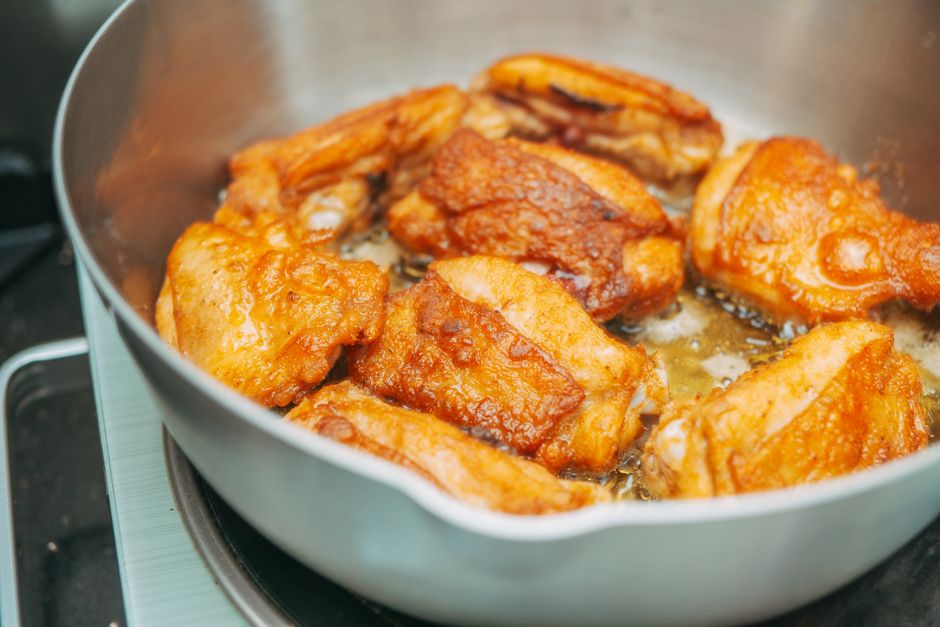
The searing process is where the magic truly begins, transforming the raw chicken thighs into deeply flavorful morsels. A heavy-bottomed skillet, such as cast iron, is ideal for achieving an even sear and retaining heat. Begin by seasoning the dried chicken thighs generously on all sides with salt and freshly ground black pepper. Some keto enthusiasts also opt for a blend of paprika, garlic powder, and onion powder for an added layer of aromatic complexity. Heat a high-smoke-point oil, such as avocado oil, ghee, or rendered bacon fat, in the skillet over medium-high heat until it shimmers. Carefully place the chicken thighs, skin-side down, into the hot skillet. Avoid overcrowding the pan; cook in batches if necessary to ensure proper searing rather than steaming. Allow the chicken to sear undisturbed for 5-7 minutes, or until a deep golden-brown crust has formed. This Maillard reaction is critical for developing intense flavor compounds. Flip the chicken thighs and sear the other side for another 3-4 minutes, allowing for a similar golden-brown color. Once seared, remove the chicken from the skillet and set aside on a plate. The rendered fat remaining in the skillet is liquid gold, forming the base for the smother sauce.
The smother sauce is the soul of this dish, transforming simple seared chicken into a luxurious, creamy concoction. The rendered chicken fat forms the initial flavor base. To this, add finely chopped aromatics, typically onions and garlic. Sauté the onions in the rendered chicken fat over medium heat until they are softened and translucent, usually 5-7 minutes. Then, add minced garlic and cook for another minute until fragrant, being careful not to burn it. For a truly keto-friendly sauce, the thickening agent will deviate from traditional flour-based roux. Instead, we rely on the natural starches released from the vegetables and the addition of heavy cream and sometimes a touch of cream cheese. Mushrooms, sliced or quartered, are an excellent addition at this stage, absorbing the flavors of the pan and contributing a delightful umami depth and satisfying texture. Sauté the mushrooms until they are browned and their moisture has evaporated.
The liquid component of the smother sauce provides both moisture for braising and flavor. Low-sodium chicken broth or bone broth is the preferred choice, adding depth and nutrients without introducing unwanted carbohydrates. White wine, such as a dry Sauvignon Blanc or Pinot Grigio, can also be used to deglaze the pan after sautéing the aromatics, adding a layer of acidity and complexity. Be sure to cook off the alcohol completely. For a richer, more decadent sauce, heavy whipping cream is indispensable. Its high fat content is perfect for ketogenic diets, and it creates an incredibly smooth and luxurious texture. A small amount of cream cheese can also be incorporated for extra richness and a velvety consistency. Once the broth (and wine, if used) has been added and brought to a simmer, allow it to reduce slightly, concentrating the flavors.
Incorporating the heavy cream and cream cheese requires careful attention to achieve the desired consistency. Stir in the heavy cream and any diced cream cheese until the cream cheese is fully melted and incorporated, creating a smooth, emulsified sauce. Season the sauce generously with salt, pepper, and any other desired herbs or spices. Fresh thyme, rosemary, or a pinch of smoked paprika can elevate the flavor profile significantly. Taste and adjust seasonings as needed; this is the final opportunity to fine-tune the flavor before the chicken is returned to the pan. The goal is a rich, savory, and slightly thickened sauce that coats the back of a spoon.
The braising process is where the chicken thighs become incredibly tender and absorb the flavors of the smother sauce. Once the sauce has reached the desired consistency, carefully nestle the seared chicken thighs back into the skillet, skin-side up, ensuring they are partially submerged in the sauce. Cover the skillet tightly with a lid. Reduce the heat to low, allowing the chicken to simmer gently and braise in the sauce. The cooking time will vary depending on the size of the chicken thighs and whether they are bone-in or boneless, but typically ranges from 30 to 45 minutes for bone-in thighs. The chicken is done when it is fork-tender and the internal temperature reaches at least 165°F (74°C). During the braising, the chicken will release its own juices, further enriching the sauce. It’s important to monitor the sauce level; if it reduces too much, a splash of additional broth can be added.
A crucial aspect of keto smothered chicken thighs is the emphasis on healthy fats. The fat rendered from the chicken skin, the oil used for searing, the heavy cream, and potentially cream cheese or butter all contribute significantly to the dish’s fat profile, making it an ideal ketogenic meal. The protein content from the chicken thighs is substantial, promoting satiety and muscle maintenance, which are key benefits of a well-formulated ketogenic diet. The primary concern for keto dieters is carbohydrate content, and this recipe excels by minimizing carb-heavy ingredients. Onions and garlic, while containing carbohydrates, are used in relatively small quantities and are balanced by the high fat and protein content, keeping the net carbs per serving within ketogenic parameters. Avoiding starchy thickeners like flour is essential, and the use of heavy cream and natural reduction achieves the desired sauce consistency without adding carbohydrates.
Serving keto smothered chicken thighs is an exercise in mindful carbohydrate pairing. The goal is to complement the richness of the chicken and sauce with low-carb side dishes that enhance the meal without introducing excessive carbohydrates. Cauliflower rice is the quintessential keto accompaniment, acting as a neutral canvas to soak up the delectable smother sauce. Steamed or roasted broccoli, asparagus, or green beans also provide excellent textural and nutritional contrast. A simple side salad with a creamy, low-carb dressing can offer a refreshing counterpoint. For a more substantial meal, consider serving alongside mashed cauliflower, prepared with butter, heavy cream, and a pinch of garlic, or zucchini noodles (zoodles) lightly sautéed. The visual appeal of keto smothered chicken thighs is as important as its taste. The deeply browned chicken, glistening in the rich, creamy sauce, often garnished with fresh parsley or chives, creates an inviting and comforting presentation.
The versatility of keto smothered chicken thighs extends beyond the core recipe. Variations can be introduced by incorporating different herbs and spices. A touch of smoked paprika or cayenne pepper can add a smoky or spicy kick. For a richer, more umami-forward sauce, a tablespoon of tomato paste (in moderation due to its carb content) can be added with the aromatics. Some individuals may prefer a tangier sauce, in which case a squeeze of lemon juice or a dash of apple cider vinegar can be incorporated towards the end of cooking. For those seeking additional vegetables within the sauce itself, bell peppers, spinach, or even thinly sliced Brussels sprouts can be added during the braising process. The choice of fat for searing can also be varied, with duck fat or even bacon grease lending a distinctively savory note.
From an SEO perspective, incorporating relevant keywords naturally throughout the article is crucial. Terms such as "keto smothered chicken thighs," "low-carb chicken recipe," "ketogenic comfort food," "creamy chicken thighs," "dairy-free keto chicken" (if a dairy-free alternative is mentioned or applicable), "easy keto dinner," and "high-fat chicken recipe" will help the article rank for relevant searches. High-quality images showcasing the dish at various stages of preparation and the final plated meal would further enhance its appeal and shareability, indirectly contributing to SEO through increased engagement. Structuring the article with clear headings and subheadings also improves readability for users and aids search engine crawlers in understanding the content’s organization. The detailed ingredient breakdown and step-by-step instructions provide actionable information, making the article valuable to users actively searching for recipes.
In conclusion, keto smothered chicken thighs are a culinary triumph, demonstrating that ketogenic eating can be both deeply satisfying and remarkably flavorful. By focusing on quality ingredients, mastering the searing and braising techniques, and understanding the principles of low-carb sauce making, home cooks can recreate this classic comfort food with perfect ketogenic adherence. The rich, tender chicken, enveloped in a luscious, creamy sauce, offers a sensory experience that is undeniably indulgent. This dish not only caters to the needs of ketogenic dieters but also appeals to anyone seeking a delicious and wholesome meal. Its inherent adaptability and straightforward preparation make it an indispensable addition to any low-carb repertoire. The enduring appeal of smothered chicken, now reimagined for the ketogenic lifestyle, solidifies its status as a cornerstone of modern low-carb cuisine.
