
Article Bedroom Tips For Better Sleep
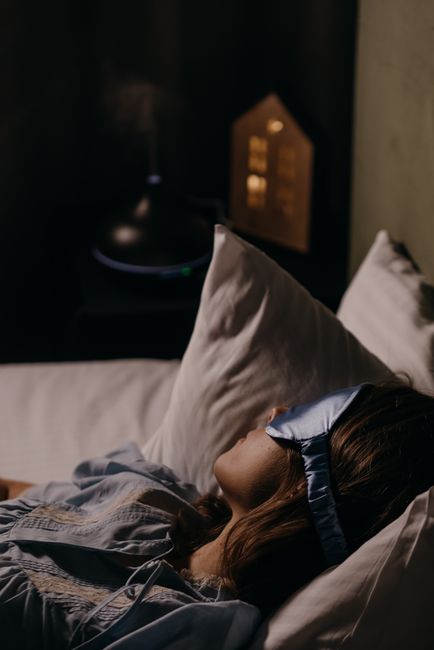
Optimizing Your Bedroom for Deeper Sleep: A Comprehensive Guide to Sleep Hygiene
The bedroom is more than just a place to rest; it’s a sanctuary designed to promote restorative sleep. Achieving consistently good sleep requires a deliberate approach to optimizing your sleep environment. This article delves into actionable strategies for transforming your bedroom into a haven conducive to deep, uninterrupted sleep, covering everything from light and sound to temperature and bedroom layout. By implementing these SEO-friendly tips, individuals can significantly improve their sleep quality and, consequently, their overall health and well-being. The key to better sleep lies in understanding and controlling the external factors that influence our circadian rhythms and sleep cycles.
Harnessing Darkness: The Power of Light Control for Melatonin Production
Light is a primary regulator of our body’s internal clock, the circadian rhythm. Exposure to light, especially blue light emitted from electronic devices, suppresses the production of melatonin, a hormone crucial for initiating and maintaining sleep. Therefore, minimizing light exposure in the bedroom is paramount. Blackout curtains or blinds are essential for blocking out external light sources, including streetlights, car headlights, and early morning sun. Opt for thick, opaque materials that effectively seal out light around the edges. Consider layered window treatments, such as blackout blinds in conjunction with heavy drapes, for maximum effectiveness. Even small amounts of light can be disruptive, so ensure there are no gaps.
Beyond external light, internal sources within the bedroom must also be addressed. Digital clocks, charging indicator lights, and even the subtle glow of a modem can interfere with sleep. Utilize nightlights only when absolutely necessary and choose red or amber hues, which have a less disruptive effect on melatonin production than blue or white light. If possible, cover or remove any unnecessary electronic devices that emit light. For those who find complete darkness disorienting, a dim, warm-toned nightlight placed strategically at floor level can provide sufficient visibility without compromising sleep quality. The goal is to create an environment that signals to your brain that it’s time to wind down and prepare for sleep.
Curating Silence: The Impact of Sound on Sleep Continuity
Noise pollution is a significant disruptor of sleep. Even low-level sounds can trigger awakenings or lead to lighter, less restorative sleep stages. The first step in sound management is to identify and minimize potential noise sources within and outside the bedroom. If street noise is an issue, consider upgrading to double- or triple-glazed windows, which offer superior sound insulation. Heavy curtains can also help dampen external sounds.
Within the bedroom, address internal noise sources like squeaky doors, noisy appliances (e.g., fans, air conditioners), or dripping faucets. Regular maintenance can resolve many of these issues. For persistent or unavoidable noise, consider implementing soundproofing techniques. This can include using thick rugs and carpets to absorb sound, adding soft furnishings like upholstered furniture and tapestries, and ensuring doors and windows are well-sealed.
White noise machines or fans can be incredibly effective for masking disruptive sounds and creating a consistent, calming auditory environment. White noise, characterized by its broad spectrum of sound frequencies, can drown out sudden noises and create a more peaceful atmosphere. Experiment with different types of white noise (e.g., fan noise, static, rain sounds) and volumes to find what works best for you. Alternatively, earplugs can be a simple yet effective solution for blocking out external noise, especially for light sleepers. Ensure the earplugs are comfortable and fit properly to avoid any discomfort during the night.
Mastering the Temperature: Finding Your Ideal Sleep Climate
Body temperature naturally fluctuates throughout the day and night, playing a crucial role in regulating sleep. For optimal sleep, a slightly cooler bedroom environment is generally recommended. The ideal bedroom temperature typically falls between 60-67 degrees Fahrenheit (15-19 degrees Celsius). This cool temperature helps signal to your body that it’s time to sleep and facilitates the natural drop in core body temperature that occurs as we transition into sleep.
Achieving this ideal temperature may involve a combination of strategies. Investing in a good quality mattress and bedding made from breathable materials like cotton, linen, or bamboo can help regulate body temperature. Avoid synthetic fabrics that can trap heat. If your bedroom tends to be warm, consider using a ceiling fan or a standing fan to improve air circulation. Smart thermostats can be programmed to lower the temperature automatically during sleep hours, ensuring a consistent cool environment throughout the night.
In colder months, layering is key. Use warmer bedding and pajamas as needed, but strive to maintain a cool ambient temperature in the room. Avoid using electric blankets or space heaters that can create localized hot spots and disrupt sleep. If overheating or feeling too cold is a persistent problem, consider a zoned heating and cooling system or consult with an HVAC professional. The goal is to create a comfortable thermal environment that supports uninterrupted sleep without causing discomfort.
Creating a Sleep Sanctuary: The Importance of a Comfortable and Clutter-Free Space
The physical environment of your bedroom significantly impacts your mental state and ability to relax, which are precursors to good sleep. A cluttered bedroom can contribute to anxiety and stress, making it difficult to switch off and fall asleep. Dedicate time to decluttering and organizing your bedroom. Remove any unnecessary items, work-related materials, or anything that evokes stress or agitation. The bedroom should be a space associated with relaxation and rest.
Invest in a comfortable mattress and pillows that support your preferred sleeping position and offer adequate cushioning. A mattress that is too old, too firm, or too soft can lead to discomfort, pain, and interrupted sleep. Similarly, pillows that are too high or too flat can strain your neck and back. Consider the materials of your bedding, opting for natural, breathable fabrics that feel pleasant against the skin and help regulate temperature.
Beyond the basics, consider the aesthetic of your bedroom. Soft, calming colors can promote a sense of tranquility. Neutral tones, muted blues, greens, and lavenders are often recommended for their soothing qualities. Avoid bright, stimulating colors that can be visually jarring. Ensure your bedroom is well-ventilated, with fresh air circulating regularly. This can be achieved by opening windows for a period each day or using an air purifier.
The Role of Technology: Smart Sleep Strategies and Potential Pitfalls
While technology can be a double-edged sword when it comes to sleep, it also offers innovative solutions for optimizing your sleep environment. Smart thermostats, as mentioned, allow for precise temperature control. Smart lighting systems can gradually dim and change color temperature in the evening, mimicking natural sunset patterns to promote melatonin production.
However, the primary technological culprit for sleep disruption is often electronic screens. The blue light emitted from smartphones, tablets, and computers interferes with melatonin synthesis. It’s crucial to establish a "digital curfew" at least an hour, and ideally two, before bedtime. If you must use devices, utilize blue light filtering apps or wear blue light blocking glasses.
Consider a dedicated alarm clock instead of using your phone. This removes the temptation to check notifications or browse the internet in bed. If you use a smartwatch to track sleep, be mindful of its light emissions and ensure it doesn’t become a source of anxiety about your sleep data. The bedroom should ideally be a screen-free zone to foster a strong association between the space and sleep.
Bedroom Layout and Feng Shui Principles for Sleep Enhancement
The arrangement of furniture within your bedroom can also subtly influence your sleep quality. Feng Shui principles offer guidance on creating harmonious and restful spaces. According to Feng Shui, the bed should be placed in a commanding position, meaning it’s not directly in line with the door (considered vulnerable) and not under a window (which can lead to energy drains). Ideally, the headboard should be against a solid wall, providing a sense of security.
Avoid placing the bed directly opposite the bedroom door, as this is known as the "coffin position" and is associated with unease. Ensure there is clear space around the bed, allowing for easy movement and a sense of openness. Keep the area under the bed clear of clutter, as this is believed to hinder energy flow.
Minimize the presence of mirrors facing the bed, as they are thought to reflect energy and can be disruptive to sleep. If mirrors are essential, consider covering them at night. Keep electronic devices to a minimum, and if they are present, try to position them away from the bed. The overall goal is to create a sense of balance, order, and tranquility.
Beyond the Bedroom: Holistic Approaches to Sleep Hygiene
While optimizing your bedroom environment is crucial, it’s important to remember that sleep is influenced by a multitude of factors. Establishing a consistent sleep schedule, even on weekends, is fundamental. Going to bed and waking up around the same time each day helps regulate your body’s natural sleep-wake cycle.
Regular physical activity can significantly improve sleep quality, but avoid strenuous exercise close to bedtime. A relaxing bedtime routine can signal to your body that it’s time to wind down. This could include taking a warm bath, reading a physical book, or practicing meditation or deep breathing exercises.
Limit caffeine and alcohol intake, especially in the hours leading up to sleep. While alcohol might initially induce sleepiness, it disrupts sleep architecture later in the night. Nicotine is also a stimulant and should be avoided close to bedtime.
If you experience persistent sleep difficulties, it’s advisable to consult a healthcare professional. They can rule out any underlying medical conditions and provide personalized recommendations for improving your sleep. By implementing a combination of environmental optimizations and healthy lifestyle habits, you can pave the way for deeper, more restorative sleep.
