
Persian New Year Recipes
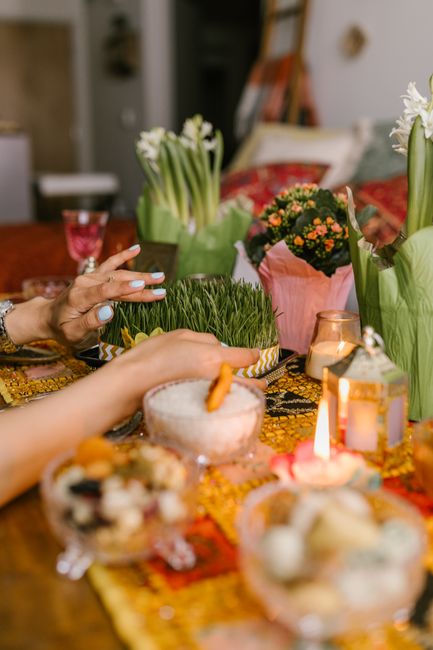
Nowruz Feasts: Essential Persian New Year Recipes for a Vibrant Celebration
The heart of Nowruz, the Persian New Year, beats in its kitchens. For millennia, the arrival of spring and the rejuvenation of nature have been celebrated with elaborate feasts, each dish steeped in symbolism and tradition. These culinary rituals are not merely about sustenance; they are expressions of hope, prosperity, and the renewal of life. From the vibrant hues of the Haft-Seen spread to the aromatic stews and sweet pastries gracing the Nowruz table, each recipe plays a vital role in ushering in a prosperous and joyous new year. Understanding the significance of these dishes, often rooted in Zoroastrianism and ancient Persian culture, adds a profound layer to the celebration. This article delves into a curated selection of essential Persian New Year recipes, providing detailed instructions and insights to help you recreate these cherished traditions in your own home, ensuring a truly authentic and delicious Nowruz experience. We will explore appetizers, main courses, side dishes, and desserts, offering a comprehensive guide for both seasoned home cooks and those new to Persian cuisine.
Appetizers and Sides: Setting the Stage for Abundance
The Nowruz table is often adorned with a variety of small, flavorful dishes that whet the appetite and offer a glimpse into the culinary richness of Persian cuisine. These appetizers and sides are not just preludes; they are integral components of the celebratory meal, showcasing a spectrum of textures and tastes.
Sabzi Polo ba Mahi (Herbed Rice with Fish): A Symbol of Life and Renewal
No Persian New Year meal is complete without Sabzi Polo ba Mahi. The fragrant herbs in the rice symbolize the emergence of new life in spring, while fish represents fertility and abundance. This dish is a cornerstone of the Nowruz table, enjoyed by families across Iran and in diaspora communities worldwide.
-
Ingredients:
- 2 cups basmati rice, soaked in cold water for at least 2 hours
- 1 cup mixed fresh herbs: parsley, cilantro, dill, chives, and fenugreek leaves (if available), finely chopped
- 1 teaspoon turmeric
- Salt and black pepper to taste
- 1 whole white fish (such as sea bass or snapper), about 1.5-2 lbs, scaled and gutted
- 2 tablespoons olive oil or vegetable oil
- 1 tablespoon lemon juice
- 1/4 teaspoon saffron threads, bloomed in 2 tablespoons hot water
-
Instructions:
- Prepare the Rice: Drain the soaked basmati rice. In a large pot, bring 6 cups of water to a boil. Add 1 tablespoon of salt. Add the drained rice and cook for about 5-7 minutes, until the grains are partially cooked and start to float. Drain the rice in a fine-mesh sieve.
- Prepare the Herbs: In a bowl, combine the finely chopped mixed herbs, turmeric, salt, and pepper.
- Layer the Rice: In the same pot (rinsed), spread a thin layer of oil at the bottom. Layer about one-third of the par-cooked rice, then sprinkle half of the herb mixture over it. Repeat with another layer of rice and herbs. Finish with the remaining rice.
- Steam the Rice: Create a tight-fitting lid for the pot, often by wrapping the lid in a clean kitchen towel to absorb steam and prevent it from dripping back onto the rice. Place the lid on the pot and cook over medium-high heat for about 5-7 minutes, until you hear crackling sounds (the bottom layer is crisping up). Then, reduce the heat to low and steam for 35-45 minutes, until the rice is fully cooked and fluffy.
- Prepare the Fish: Pat the fish dry. Score the sides of the fish with a few diagonal cuts. Rub the fish inside and out with salt, pepper, and lemon juice.
- Cook the Fish: Heat 2 tablespoons of olive oil in a large skillet over medium-high heat. Carefully place the fish in the hot oil and cook for about 5-7 minutes per side, until golden brown and cooked through.
- Serve: Gently fluff the herb rice with a fork, mixing in the bloomed saffron. Serve the Sabzi Polo alongside the perfectly cooked fish.
Kookoo Sabzi (Herb Frittata): A Verdant Delight
Kookoo Sabzi is a savory herb pancake, a vibrant green delight packed with fresh herbs and eggs. Its verdant color is symbolic of spring’s arrival, and its delightful texture makes it a popular appetizer or light main course.
-
Ingredients:
- 4 cups mixed fresh herbs: parsley, cilantro, dill, chives, and spinach, finely chopped
- 4 large eggs
- 2 tablespoons all-purpose flour or chickpea flour
- 1 teaspoon baking powder
- 1/4 teaspoon turmeric
- Salt and black pepper to taste
- Oil for frying
-
Instructions:
- Prepare the Herb Mixture: In a large bowl, combine the finely chopped herbs, eggs, flour, baking powder, turmeric, salt, and pepper. Mix well until all ingredients are thoroughly combined.
- Cook the Kookoo: Heat about 1/2 inch of oil in a non-stick skillet over medium heat. Once the oil is hot, pour about half of the herb mixture into the skillet, spreading it evenly to form a thick pancake.
- Fry: Cook for about 5-7 minutes on one side, until golden brown and firm. Carefully flip the kookoo using a spatula and cook the other side for another 5-7 minutes.
- Repeat: Remove the cooked kookoo from the skillet and place it on a plate lined with paper towels to drain excess oil. Repeat the process with the remaining herb mixture.
- Serve: Cut the Kookoo Sabzi into wedges and serve warm or at room temperature. It can be enjoyed on its own or with yogurt.
Salad Shirazi (Shirazi Salad): A Refreshing Counterpoint
This simple yet incredibly refreshing salad is a staple in Persian cuisine, and it offers a bright, zesty counterpoint to the richer dishes on the Nowruz table. Its crisp textures and tangy flavors cleanse the palate beautifully.
-
Ingredients:
- 2 large cucumbers, finely diced
- 2 large tomatoes, finely diced
- 1 medium red onion, finely diced
- 1/4 cup fresh mint leaves, finely chopped
- 2 tablespoons fresh lemon juice
- 1 tablespoon olive oil
- Salt and black pepper to taste
-
Instructions:
- Combine Vegetables: In a medium bowl, combine the diced cucumbers, tomatoes, and red onion.
- Add Herbs and Dressing: Stir in the chopped mint leaves. In a small bowl, whisk together the lemon juice, olive oil, salt, and pepper.
- Toss: Pour the dressing over the vegetable mixture and toss gently to coat.
- Chill: For optimal flavor, let the salad chill in the refrigerator for at least 15-30 minutes before serving. This allows the flavors to meld.
Main Courses: Hearty and Symbolic Creations
The main courses for Nowruz are often rich, slow-cooked stews and flavorful rice dishes that symbolize prosperity, good health, and a bountiful year ahead. These dishes are designed to be shared and savored, bringing families together.
Ghormeh Sabzi (Herbed Stew with Lamb or Beef): A National Treasure
Ghormeh Sabzi is widely considered the national dish of Iran, and its presence on the Nowruz table signifies good fortune and enduring strength. This slow-cooked stew is characterized by its deep, complex flavor derived from a generous amount of sautéed herbs and the addition of dried limes.
-
Ingredients:
- 1.5 lbs lamb or beef stew meat, cut into 1-inch cubes
- 2 large onions, finely chopped
- 4 cups mixed fresh herbs: parsley, cilantro, dill, and fenugreek leaves (if available), finely chopped
- 1/2 cup dried fenugreek leaves (if fresh are unavailable, increase fresh herbs)
- 2 tablespoons olive oil or vegetable oil
- 4-5 dried Persian limes (limoo omani)
- 1 teaspoon turmeric
- 1/2 teaspoon black pepper
- Salt to taste
- 3-4 cups water or beef broth
- 1 tablespoon dried lemon juice (optional, for extra tang)
-
Instructions:
- Sear the Meat: Heat 2 tablespoons of oil in a large, heavy-bottomed pot or Dutch oven over medium-high heat. Brown the lamb or beef cubes in batches, ensuring not to overcrowd the pot. Remove the browned meat and set aside.
- Sauté Onions: Add the chopped onions to the same pot and sauté until golden brown and softened, about 8-10 minutes. Add turmeric and black pepper, and cook for another minute until fragrant.
- Sauté Herbs: Add the finely chopped fresh herbs and dried fenugreek leaves to the pot. Sauté the herbs over medium heat for about 15-20 minutes, stirring constantly, until they darken in color and their raw aroma subsides. This step is crucial for developing the stew’s signature flavor.
- Combine and Simmer: Return the browned meat to the pot. Add the dried Persian limes (prick them with a fork to release their flavor). Pour in enough water or beef broth to cover the ingredients. Bring to a boil, then reduce the heat to low, cover, and simmer for at least 2-3 hours, or until the meat is very tender. The longer it simmers, the deeper the flavors will become.
- Season: Stir in salt to taste. If you prefer a tangier stew, stir in dried lemon juice. The stew should have a rich, dark green color and a thick, stew-like consistency.
- Serve: Serve Ghormeh Sabzi hot, typically with fluffy Persian rice (chelow).
Baghali Polo ba Mahicheh (Dill and Fava Bean Rice with Lamb Shanks): A Feast of Indulgence
This luxurious dish combines fragrant dill and fava bean rice with tender, slow-cooked lamb shanks. It’s a celebratory meal that embodies the abundance and good fortune associated with Nowruz. The meltingly tender lamb shanks are a true indulgence.
-
Ingredients:
- 4 lamb shanks
- 2 large onions, roughly chopped
- 4-5 cloves garlic, smashed
- 1 teaspoon turmeric
- 1 teaspoon black pepper
- Salt to taste
- 4-5 cups water or beef broth
- 2 cups basmati rice, soaked in cold water for at least 2 hours
- 1 cup fresh dill, finely chopped
- 1 cup fresh or frozen fava beans (shelled)
- 1/4 teaspoon saffron threads, bloomed in 2 tablespoons hot water
-
Instructions:
- Sear Lamb Shanks: Season the lamb shanks generously with salt and pepper. Heat 2 tablespoons of oil in a large Dutch oven or heavy-bottomed pot over medium-high heat. Sear the lamb shanks on all sides until deeply browned. Remove the shanks and set aside.
- Sauté Aromatics: Add the chopped onions to the pot and sauté until softened and lightly browned. Add the smashed garlic and turmeric, and cook for another minute until fragrant.
- Braise Lamb Shanks: Return the lamb shanks to the pot. Add enough water or beef broth to come about two-thirds of the way up the shanks. Bring to a boil, then reduce the heat to low, cover, and simmer for 2.5-3 hours, or until the lamb is fall-off-the-bone tender.
- Prepare Rice: While the lamb is braising, prepare the Baghali Polo. Drain the soaked basmati rice. In a pot, bring 6 cups of water to a boil with 1 tablespoon of salt. Add the drained rice and cook for 5-7 minutes until par-cooked. Drain the rice.
- Layer Rice: In the same pot (rinsed), spread a thin layer of oil at the bottom. Layer about one-third of the par-cooked rice, then sprinkle half of the chopped dill and fava beans over it. Repeat with another layer of rice, dill, and fava beans. Finish with the remaining rice. Drizzle the bloomed saffron over the top layer of rice.
- Steam Rice: Cover the pot with a tight-fitting lid (using a kitchen towel to absorb steam). Cook over medium-high heat for 5-7 minutes until you hear crackling sounds. Reduce the heat to low and steam for 30-40 minutes, until the rice is fully cooked and fluffy.
- Serve: Carefully remove the lamb shanks from the braising liquid. Skim off any excess fat from the braising liquid and season it with salt and pepper to taste. Serve the Baghali Polo alongside the tender lamb shanks, drizzling some of the rich braising liquid over the lamb.
Desserts and Sweets: A Sweet Beginning to the New Year
Nowruz is a time for indulgence, and the sweet treats that grace the table are as important as the savory dishes. These desserts are often light, fragrant, and infused with the flavors of rosewater, cardamom, and pistachios, symbolizing a sweet and prosperous year.
Sholeh Zard (Saffron Rice Pudding): A Golden Blessing
Sholeh Zard is a rich and fragrant saffron rice pudding, its golden hue symbolizing wealth and prosperity. It’s a comforting and delightful dessert that is a must-have for any Nowruz celebration.
-
Ingredients:
- 1 cup basmati rice
- 6 cups water
- 1 cup sugar (or to taste)
- 1/2 cup rosewater
- 1/4 teaspoon cardamom powder
- 1/4 teaspoon saffron threads, bloomed in 2 tablespoons hot water
- 1/4 cup slivered almonds (optional, for garnish)
- Ground cinnamon for garnish
-
Instructions:
- Cook the Rice: In a large pot, combine the basmati rice and water. Bring to a boil, then reduce the heat and simmer, stirring occasionally, until the rice is very soft and has broken down, about 30-40 minutes.
- Add Sugar and Saffron: Stir in the sugar and bloomed saffron. Continue to cook, stirring frequently, until the pudding thickens to your desired consistency, about another 15-20 minutes. Be careful not to let it stick to the bottom of the pot.
- Add Flavorings: Stir in the rosewater and cardamom powder.
- Serve: Pour the Sholeh Zard into individual serving bowls. Garnish with slivered almonds and a sprinkle of ground cinnamon. Serve warm or chilled.
Reshteh Polow (Noodle Rice): A Symbol of Untangling Challenges
Reshteh Polow, or noodle rice, is a dish with a special meaning for Nowruz. The noodles symbolize the unraveling of past year’s challenges and the beginning of a new, smoother path. It is often prepared with chicken or lamb.
-
Ingredients:
- 2 cups basmati rice, soaked in cold water for at least 2 hours
- 1 cup Persian noodles (reshteh), broken into smaller pieces
- 1 lb boneless, skinless chicken thighs, cut into bite-sized pieces
- 1 large onion, finely chopped
- 2 tablespoons olive oil
- 1 teaspoon turmeric
- 1/2 teaspoon cinnamon
- 1/4 teaspoon black pepper
- Salt to taste
- 2-3 cups chicken broth or water
- 1/4 teaspoon saffron threads, bloomed in 2 tablespoons hot water
-
Instructions:
- Prepare the Chicken: Heat 1 tablespoon of oil in a skillet over medium-high heat. Add the chicken pieces and cook until browned on all sides. Remove the chicken and set aside.
- Sauté Onion: Add the remaining 1 tablespoon of oil to the skillet. Add the chopped onion and sauté until softened and golden brown. Add turmeric, cinnamon, black pepper, and salt. Cook for another minute until fragrant.
- Simmer Chicken Mixture: Return the chicken to the skillet. Add enough chicken broth or water to cover the chicken. Bring to a simmer, then reduce heat, cover, and cook for about 20-25 minutes, or until the chicken is cooked through and tender.
- Prepare Rice and Noodles: Drain the soaked basmati rice. In a large pot, bring 6 cups of water to a boil with 1 tablespoon of salt. Add the drained rice and cook for about 4-5 minutes (less than for regular polo, as it will continue to cook with the noodles). Drain the rice. In the same boiling water, cook the broken Persian noodles for about 3-5 minutes, until al dente. Drain the noodles.
- Layer the Rice and Noodles: In the pot used for cooking the rice, spread a thin layer of oil at the bottom. Layer about half of the par-cooked rice, then sprinkle half of the cooked noodles over it. Top with the chicken and onion mixture. Cover with the remaining rice and then the remaining noodles. Drizzle the bloomed saffron over the top.
- Steam: Cover the pot with a tight-fitting lid (using a kitchen towel). Cook over medium-high heat for 5-7 minutes until you hear crackling. Reduce heat to low and steam for 30-40 minutes, until the rice and noodles are fully cooked and fluffy.
- Serve: Gently mix the noodles and rice together. Serve hot, ensuring each portion has plenty of the chicken mixture.
Conclusion: Embracing Tradition and Flavor
These Persian New Year recipes offer a gateway into the rich tapestry of Iranian culinary heritage. Each dish, prepared with intention and love, contributes to the vibrant celebration of Nowruz. By embracing these traditions, you not only create delicious meals but also honor a lineage of cultural practices that celebrate the beauty of spring, the hope for the future, and the enduring strength of family bonds. From the aromatic Sabzi Polo ba Mahi to the comforting Sholeh Zard, these recipes are designed to bring joy, prosperity, and deliciousness to your Nowruz festivities. May your celebration be filled with warmth, laughter, and the exquisite flavors of Persia.
